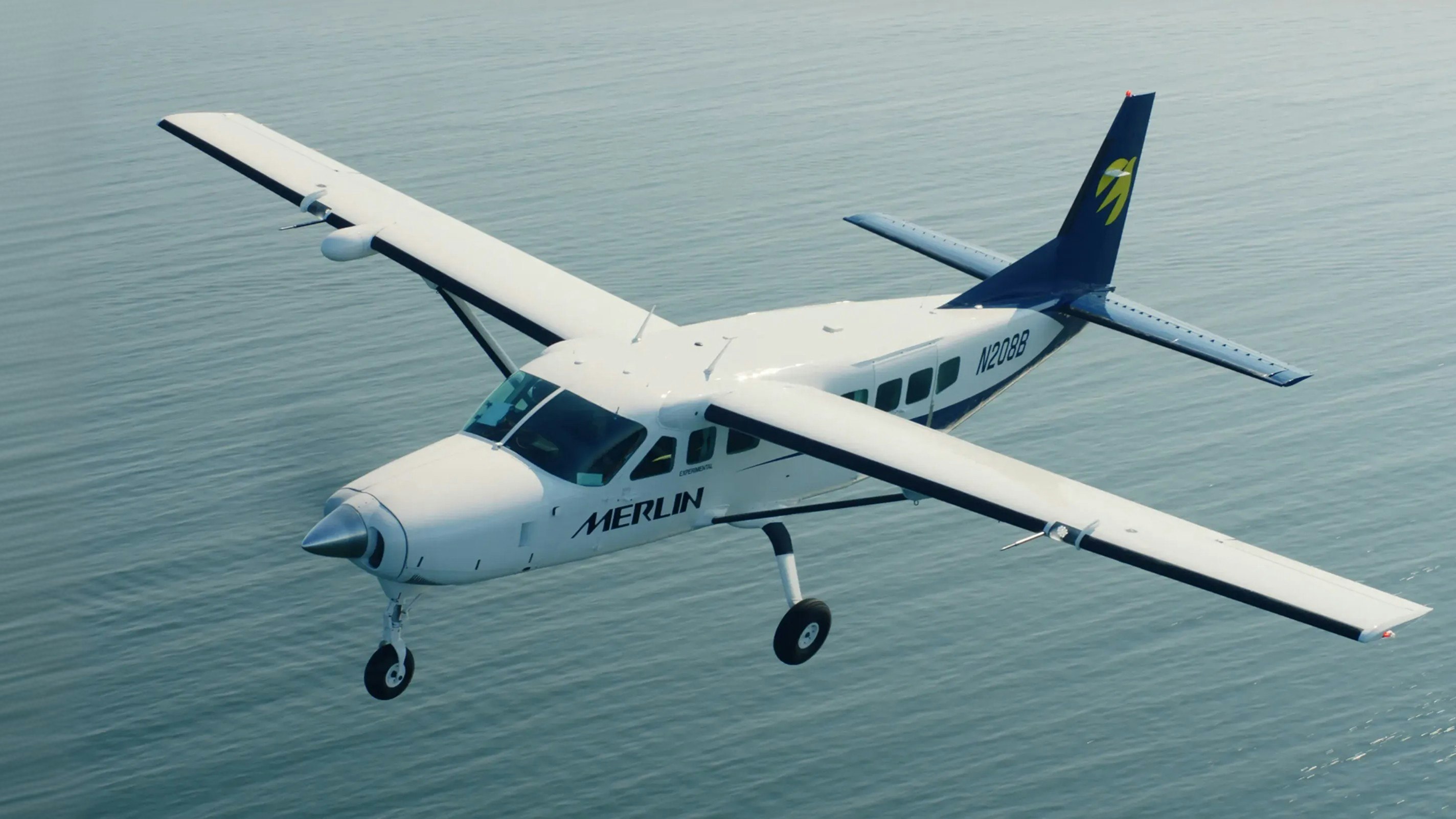
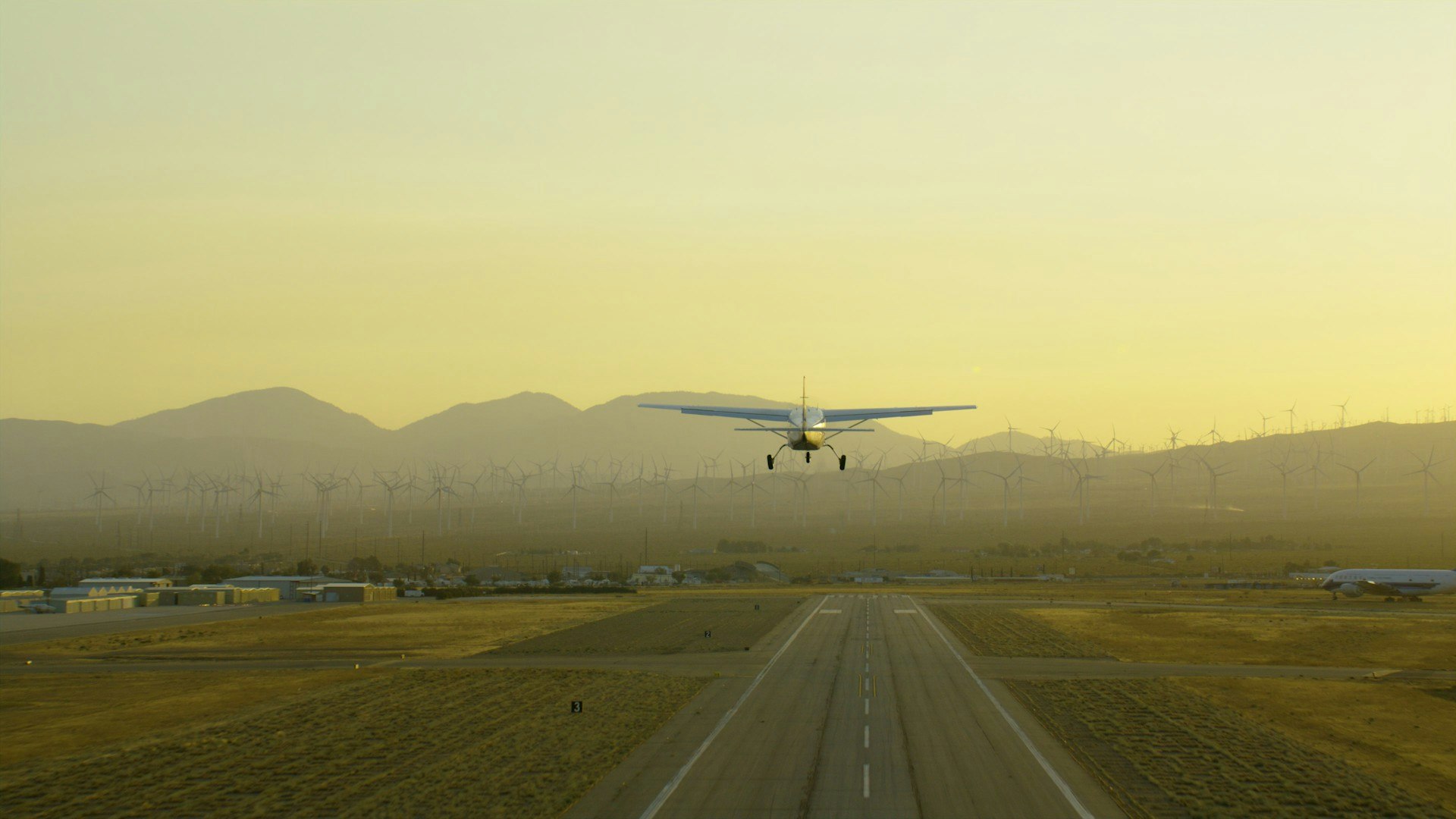
We are building Merlin Pilot using a methodical “crawl-walk-run” approach that focuses on creating incremental wins, in order to change the entire future of how humans use the sky. We are working with our customers and partners to identify all the ways that assured autonomy can solve real problems, in the real world, and meaningfully improve mission execution and outcomes. By doing this methodically, we are building deep experience moats and network effects across our customer base, leading to defensible long term value.
We are deliberately designing Merlin Pilot to enable swift and cost-effective integration onto multiple platforms, without compromising safety. We choose to advance our technology and add to its capabilities in ways that are scalable and adaptable, while maintaining and protecting its certifiable core.
We hope our investors will appreciate and understand this approach to innovating and building for the long term. Equity markets often focus on the short term — vs. rewarding step-by-step progress towards long-term value. This hope is why I have written this letter.
I want investors to have 100% transparency into the terms on which we view our own business and our potential — because these terms are different from what has come before. We would ask that, given this difference, we are judged on what we do and how we perform in this new context, not in legacy aerospace and defense terms.
Specifically, it is important for investors to recognize that Merlin Pilot is an autonomous flight system designed from first principles for the purpose of flying any aircraft — military or civilian — from takeoff to touchdown, with or without a human crew on board.
It perceives its environment through an array of sensors. It processes information through algorithms that combine high-assurance flight control with AI. It communicates with air traffic control using natural language. It makes decisions. And it is being built to meet the certification standards that have made commercial aviation the safest form of transportation in history.
This architecture matters. Our system features a deterministic, rule-based core that operates independently of AI, ensuring predictable and explainable behavior even in edge cases.
Autonomy without certification is a science project — but with certification it’s a scalable, defensible and unique business. We are building for certification from day one.
We want to underscore for investors our technology’s multi-aircraft capability and the commercialization advantages it potentially offers. Designed and built right, the same “brain” that flies a C-130J can fly a cargo turboprop, a tanker, a surveillance aircraft, or a commercial freighter.
This means that, for Merlin Pilot, each new aircraft type requires adaptation, not reinvention. It also means that every aircraft we equip will generate data that makes the system smarter. Every flight expands our training set. The more we fly, the more valuable the software becomes — and the harder it becomes for anyone else to replicate what we have built.
For shareholders, this means that the market we are pursuing is not just the current aviation fleet. The potential addressable market for certified autonomous aviation grows as the constraints of pilot-centric design fall away. This market is potentially every aircraft that could fly if the old constraints were removed, and it also is new aircraft that have not yet been developed, and that we believe can only be built with our input and help.
We believe whoever certifies and has first-mover advantage with the operating system for autonomous flight will be positioned at the center of this transformation. Airlines, cargo operators, defense ministries, and new entrants: all of them will need certified autonomy to participate in what comes next. We intend to be the company that provides that capability.