Autonomy in Service of the Warfighter: Meet Brian Zarchin
UpdatesSeptember 24, 2026


Merlin’s General Manager of Tactical Aviation on Trust, Building Businesses From the Ground Up, and Why the Mission of Supporting Warfighters Is Personal
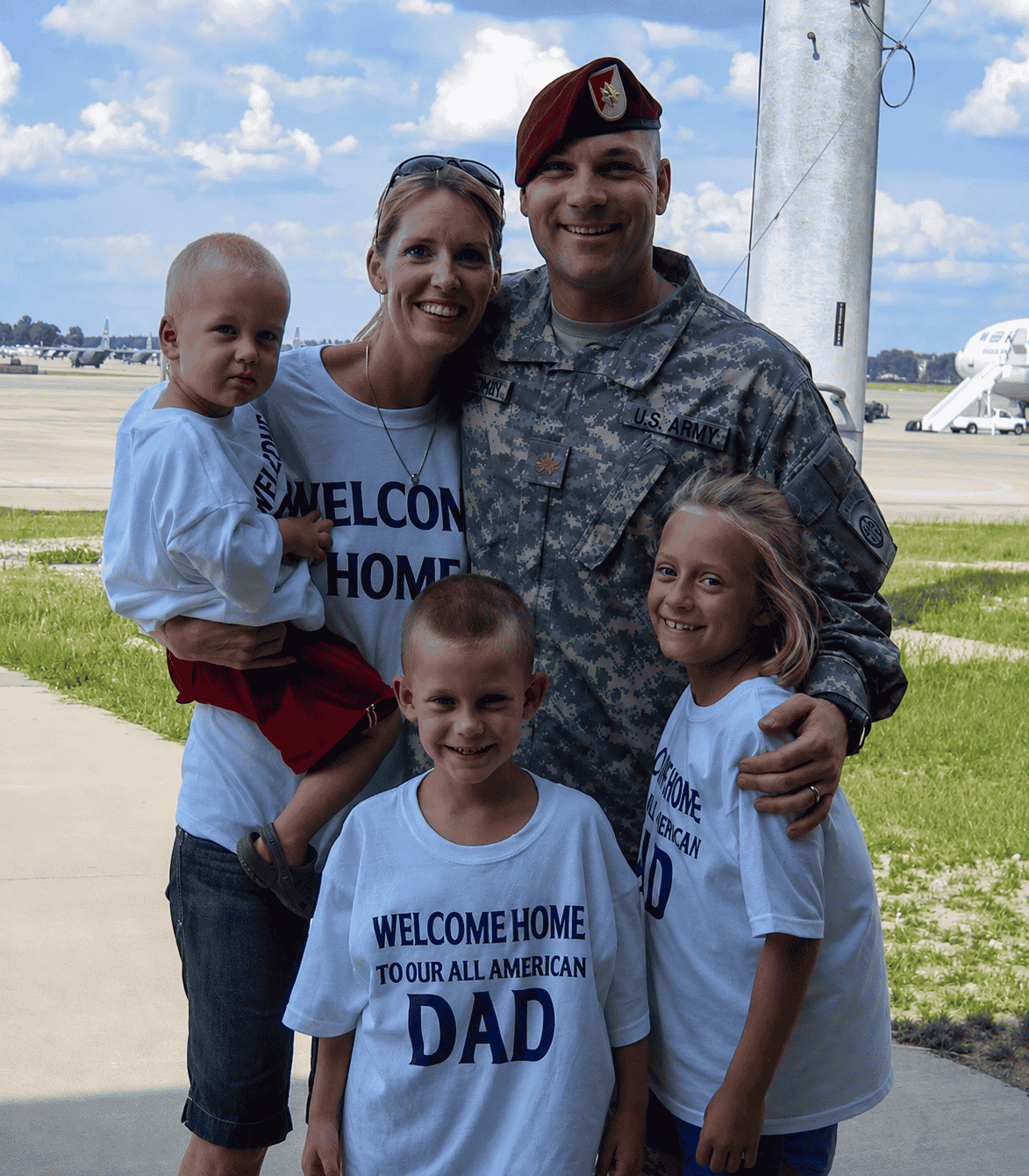
Brian Zarchin talks about autonomy the way only someone who has flown the missions can. An Army aviator turned industry leader, he now leads Merlin's Tactical Autonomy business. We sat down with Brian to talk about what drew him to Merlin, what it takes to turn an idea into an enterprise, and why delivering trusted autonomy to our Warfighters drives him every day.


What brought you to Merlin, and what drew you to autonomy in aviation?
Three things attracted me to Merlin: the exceptional people, innovative products, and the opportunity to make a difference for our customers as part of a small, agile team.
I was drawn to autonomy while in the Army, where we needed uncrewed systems that were more tactically relevant: more modular, more mobile, and less reliant on large formations of people and equipment to operate, move, and sustain.
Now, I believe we're at an inflection point in the evolution of autonomy. And the opportunity to apply Merlin's core autonomy capabilities to some of the most challenging tactical aviation problems was simply too compelling to pass up.
Tell us about your role. How do you intend to be successful?
I was hired to build and lead the Tactical Autonomy business from the bottom up. Success in this endeavor starts and ends with trust. We must earn our customers' trust in Merlin's people, our autonomy, and our sustained performance. That trust starts with understanding our customers' operational needs and identifying the critical capability gaps where Merlin's autonomy can make a meaningful difference.
Our focus is on applying Merlin's autonomy technology to the tactical aircraft, missions, and operational challenges where it can make the greatest difference. We will be analytical and disciplined in how we approach this, but will also move quickly to meet customer needs. That's one of the advantages of working at a technically strong, scrappy company: we're lean, so we can quickly identify a problem, bring the right people together, iterate, and deliver.
In your view, what makes Merlin’s approach to autonomy unique and meaningful in the broader aviation ecosystem?
Merlin's approach is unique because we see Merlin Pilot as the core autonomy layer for aviation, a capability that can be adapted across different aircraft, missions, and operational environments.
The progress we're making on the C-130J is an important demonstration of that approach. It shows that Merlin can take its core autonomy technology and work through the engineering, integration, and certification challenges associated with increasingly complex aircraft.
That experience can help us build a repeatable playbook for bringing autonomy to other platforms.
How does working on real-world aircraft and flight-test programs influence your perspective on autonomy?
Testing and modeling on actual aircraft early is essential for building trusted autonomy. On day one at Merlin, it was clear to me that our "Crawl, Walk, Fly" approach is a key part of our culture. We do the diligence of modeling, simulation, and software development, but we also rapidly progress onto aircraft and into flight testing.
We're demonstrating that progression today, moving from simulation to smaller-scale aircraft and ultimately to increasingly complex platforms such as the C-130J. That real-world experience matters because autonomy has to work in the environments where our customers actually operate, not just in a simulation.
Our approach to Tactical Autonomy is expected to follow that same Crawl, Walk, Fly philosophy. The difference is that we intend to apply that philosophy across multiple tactical mission sets, where the operational needs and the opportunities are the highest.
What are you most excited about for your next chapter at Merlin?
I've been fortunate to work for industry-leading organizations that deliver cutting-edge capabilities to the people who need them the most, our Warfighters. What excites me now is continuing that mission with Merlin's exceptional team. We have distinctive emerging capabilities and the ability to move quickly, and I'm excited to bring those strengths to our customers' most difficult tactical autonomy challenges.
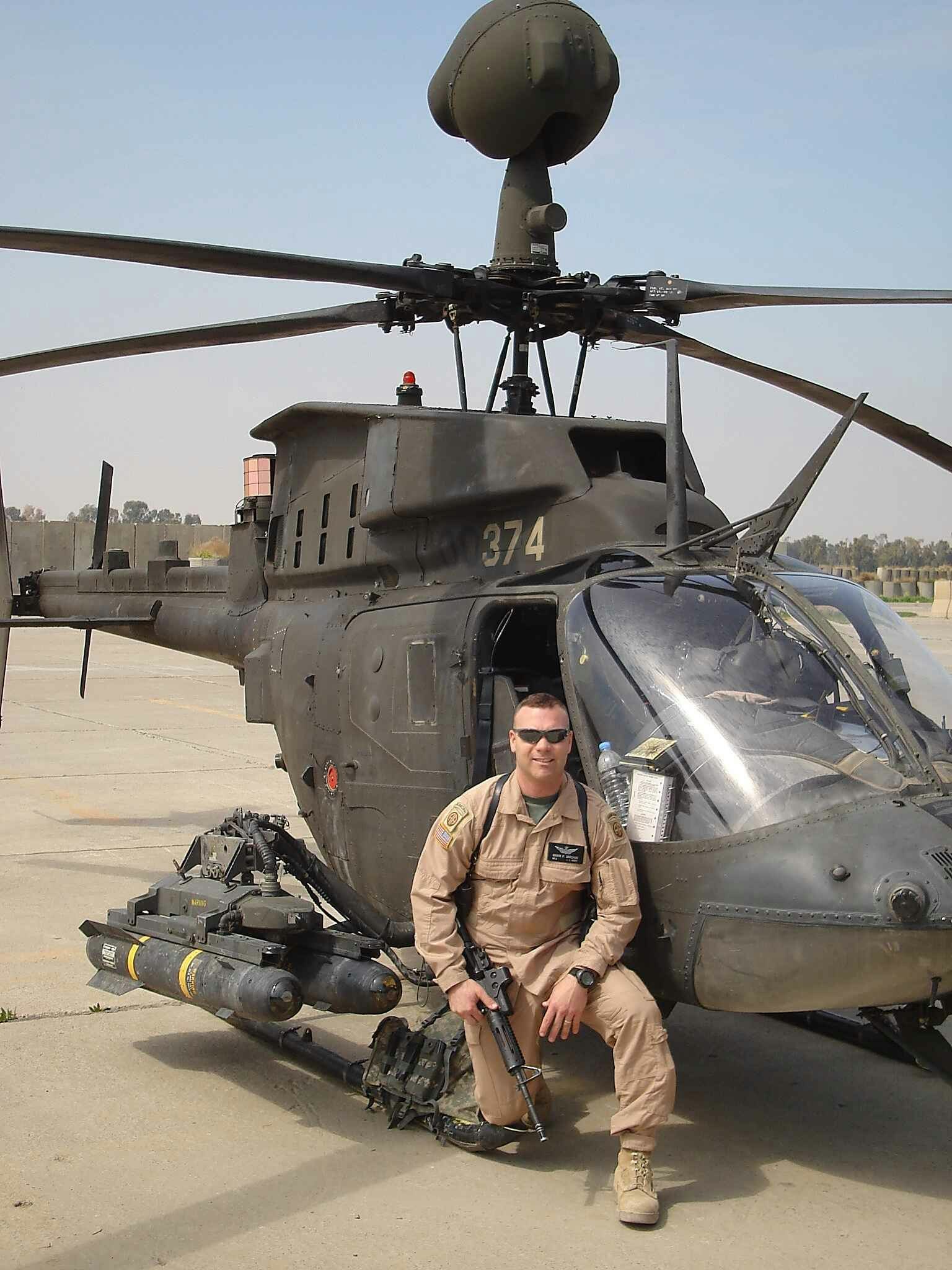
You flew the OH-58D Kiowa Warrior in combat. How does that experience shape how you think about autonomy supporting aviators?
Flying the U.S. Army's last purpose-built armed reconnaissance helicopter, the OH-58D Kiowa Warrior, in combat alongside incredibly brave aviators was an absolute honor and privilege. Operating that platform over the shoulders of our troops and in close proximity to enemy forces was also an extraordinary learning experience.
That experience forged my passion for delivering uncrewed systems to our Warfighters. Our aviators shouldn't always have to do the dull, dirty, and dangerous work that autonomous systems can perform. I've lost too many friends doing things that autonomous systems can increasingly do. That has become a fundamental part of my "why" since retiring from the Army.
I'm driven every day to do my part to deliver trusted tactical autonomy to our Warfighters. That means helping save American and partner lives, creating additional dilemmas for our adversaries, and giving commanders better options on modern battlefields.


You've seen uncrewed aviation as an Army aviator, a senior staff officer, and an industry leader. How have those perspectives informed your approach today?
Seeing uncrewed aviation from those three perspectives has shaped my approach in several important ways.
First, I've developed an enormous appreciation for how brilliant and creative engineers are. The unarmed OH-58D helicopter was transformed into the most capable armed reconnaissance helicopter in just 100 days. Four weapons systems were fully integrated, earning multiple awards and fame on the battlefield. I've seen concepts sketched on napkins progress to flight within days, and evolve into capable products within months. It's remarkable! We really can accomplish seemingly impossible things with the incredible talent that exists in government and industry.
Second, I've learned that brilliant engineering is only half the battle. Tough problems get solved most effectively when the gap between engineers and operators is smallest. I've learned that the tighter that communication and understanding gap is, the more successfully and quickly solutions materialize. It seems simple, but it takes dedicated and sustained leadership, engineering, and program management effort to drive people together and to sustain that throughout the often grueling capability development and maturation process.
You've built a new aviation business from the ground up. What does it take to grow something from an idea into an enterprise?
Building anything meaningful takes a team — but a team alone doesn't make an enterprise. I learned that firsthand, helping establish a UAS business line at a former company. We had a talented, dedicated group who believed in the vision. What turned that belief into a real business was the moment trust translated into execution: when we won our first major contract, it wasn't because we had the best individuals in the room — it was because the leadership accepted risk, we believed in our technology, and our team trusted each other.
Of those three, trust is the one people most underestimate. Teamwork is built on the bedrock of effective communication, which builds understanding, which establishes trust. But trust by itself doesn't scale a business — it has to harden into repeatable process, clear ownership, and systems that don't depend on any one person being in the room. That's the real transition from "idea" to "enterprise": turning what a good team does instinctively into something the organization can do reliably, at volume, for customers who are counting on you.
When a team of brilliant, trusted people sets out to solve compelling customer problems — and builds the discipline to repeat that success — ideas become capabilities, and capabilities become an enterprise.
That's what I see at Merlin today: a strong foundation, great people, and a differentiated autonomy capability designed to be airframe- and mission-interoperable. We're still refining the trusted autonomy product itself — the next challenge is turning that into repeatable execution at the speed our customers deserve.


Cautionary Statement Regarding Forward-Looking Statements
The interview above reflects the personal perspectives and experiences of Brian Zarchin, Merlin's General Manager of Tactical Aviation. This post contains forward-looking statements within the meaning of the Private Securities Litigation Reform Act of 1995. Forward-looking statements can be identified by words such as “anticipate,” “believe,” “estimate,” “expect,” “intend,” “may,” “plan,” “potential,” “project,” “will,” and similar terms. All statements other than statements of historical fact should be considered forward-looking statements, including without limitation statements regarding: Merlin's plans and expectations for building and scaling its Tactical Autonomy business; the anticipated progress, timing, and outcomes of Merlin's work on the C-130J program, including its engineering, integration, and certification efforts; Merlin's plans to apply its Merlin Pilot autonomy technology across additional tactical aircraft, missions, and operational environments; and the anticipated capabilities, benefits, and future development of Merlin's autonomy technology generally. These forward-looking statements are based on our current expectations, assumptions, and projections about future events and trends. These forward-looking statements are neither promises nor guarantees, but involve known and unknown risks and uncertainties that could cause actual results to differ materially from those expressed or implied by the forward-looking statements, including without limitation the risks, uncertainties, and assumptions described in our filings with the U.S. Securities and Exchange Commission. Except as required by applicable law, we undertake no obligation to update any of these forward-looking statements after the date of this post.