From Operating Submarines to Delivering Autonomous Flight Programs: Meet Tom Krysil
UpdateSeptember 01, 2026


Merlin’s Vice President of Programs on Fielding Autonomy in the Real World, Building Trust With Customers and How Autonomous Systems Elevate Human Performance
Tom Krysil has spent his career around high-stakes systems and the teams that operate them, and it shows in how he talks about autonomy: real-world, human-first, and relentlessly focused on trust. As Merlin's Vice President of Programs, he leads the teams turning the Merlin Pilot from product into programs. We sat down with Tom to talk about what drew him to Merlin, what fielding robots taught him about aviation, and why the best autonomous systems make the humans around them better.



What brought you to Merlin, and what drew you to autonomy in aviation?
With my military background, I'm extremely familiar with the challenges pilots face, and I've always been drawn to the mission of making their lives easier and safer. Aviation is ripe for autonomy in both defense and commercial applications, and Merlin is working to solve that problem with the added bonus that we're building it in Boston. I'm a huge proponent of the ecosystem we have here in Massachusetts and the talented engineers right at our doorstep. Growing a company with Merlin's potential, in this space, in this state is a huge unlock for me.


Tell us about your role, what are you working on day to day?
Can you not tell by my title? Kidding. I actually think I have one of the coolest jobs in the company because my team of program managers goes well beyond the traditional sense of the role. One team manages the development and implementation of our core product, the Merlin Pilot, they operate more like product managers and product operations. Another runs the complex work of integrating the Merlin Pilot onto different aircraft and the operations that come with that: heavy engineering, heavy execution, and heavy operations. A third manages our government programs, from business development through technical implementation. And a fourth focuses on regulatory certification. We cover a lot of ground, all in service of delivering real value to our customers.
In your view, what makes Merlin’s approach to autonomy unique and meaningful in the broader aviation ecosystem?
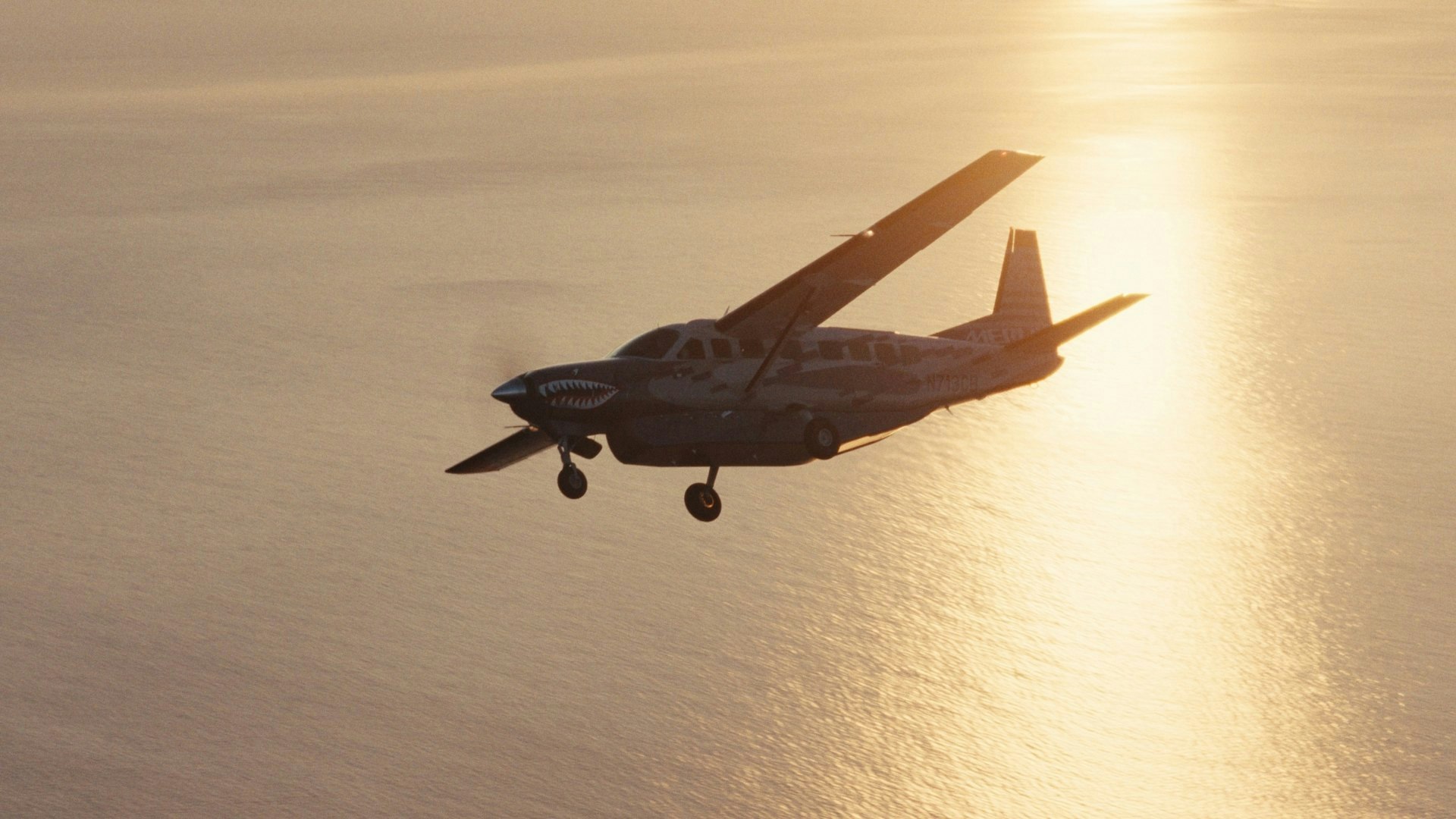
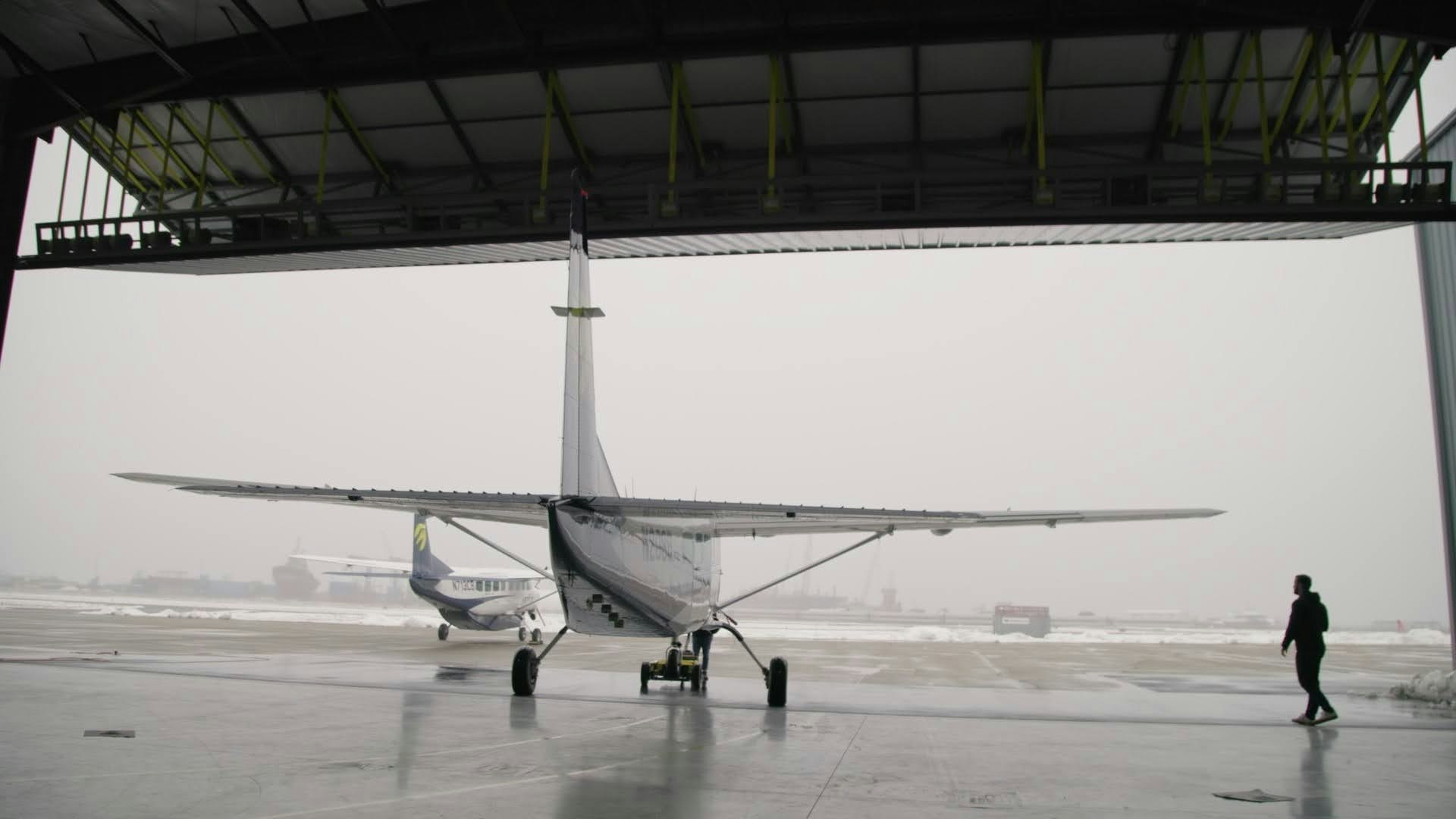
Merlin is building a pilot, just not a human one. That is pretty unique for this industry! The Merlin Pilot is being designed to do what any good pilot does: aviate, navigate, communicate, and operate. But unlike a demo or a research project, it's being designed to meet the standards regulators require, leveraging autonomous systems on a foundation of runtime assurance. That's what makes this meaningful to me: the industry needs it, it doesn't exist yet, and we get to help shape it.
How does working on real-world aircraft and flight-test programs influence your perspective on autonomy?
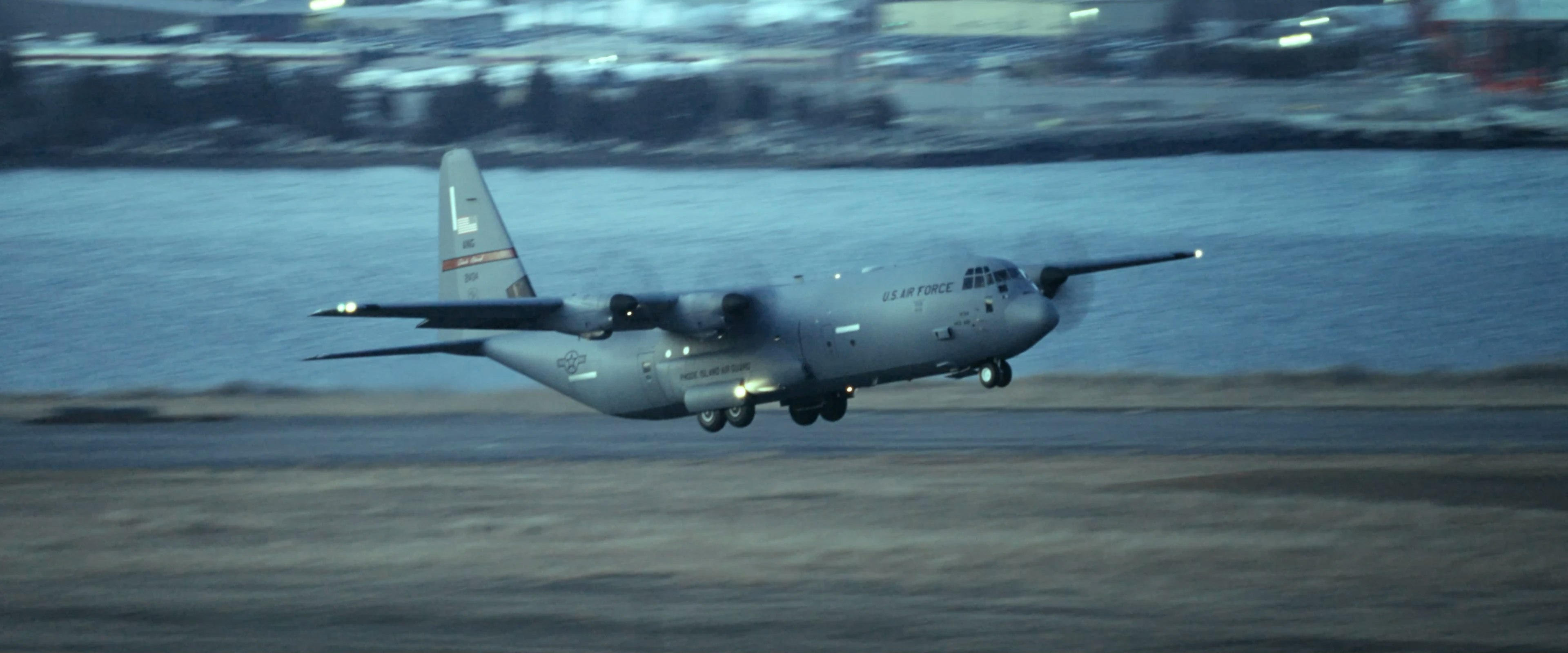
I love taking autonomy to the real world because it keeps you honest. Frankly, it’s easy as a concept or in a lab, but the real world pushes back. We learn something from every flight test with actual operational constraints in actual conditions, and that improves our models continuously. For autonomy that can be trusted, this is a necessity. It also keeps the mission concrete. When we’re working at the level of real aircraft and real crews, we stop thinking about "autonomy" in the abstract and start thinking about a C-130 crew twelve-plus hours into a mission with minimal sleep, and still expected to execute flawlessly. The Merlin Pilot combines industry standards for safety with highly agile AI. These run in parallel to confirm and validate decisions, making that pilot's job easier and safer, or freeing them for bigger-picture mission decisions. Working in the real world keeps you focused on proving, consistently, that we’re building a system worthy of trust.
What are you most excited about for your next chapter at Merlin?
Delivering products that provide true value to someone else, that excites me. We're solving a real problem with real consequences, and I'm excited about the potential for the Merlin Pilot across airframes and mission areas.
You've deployed autonomy on the ground with warehouse robotics, and now you work on autonomy in the air. What did fielding robots in the real world teach you that carries over to aviation?
Two major parallels stand out. First, success comes from building trust with your customer; educating them on how the system works, how it can help them, and in some cases what it can't or shouldn't do. Second, excellent operational execution enables continued success; you keep learning, keep improving, keep enhancing the product so it keeps delivering value. In robotics, we had a 4,000-pound autonomous forklift, which certainly has a high safety bar, although truthfully, a plane is more consequential. Either way, as firms and industries we need to continue to learn, refine, and improve, that is what we demand of ourselves, and what our customers should demand.
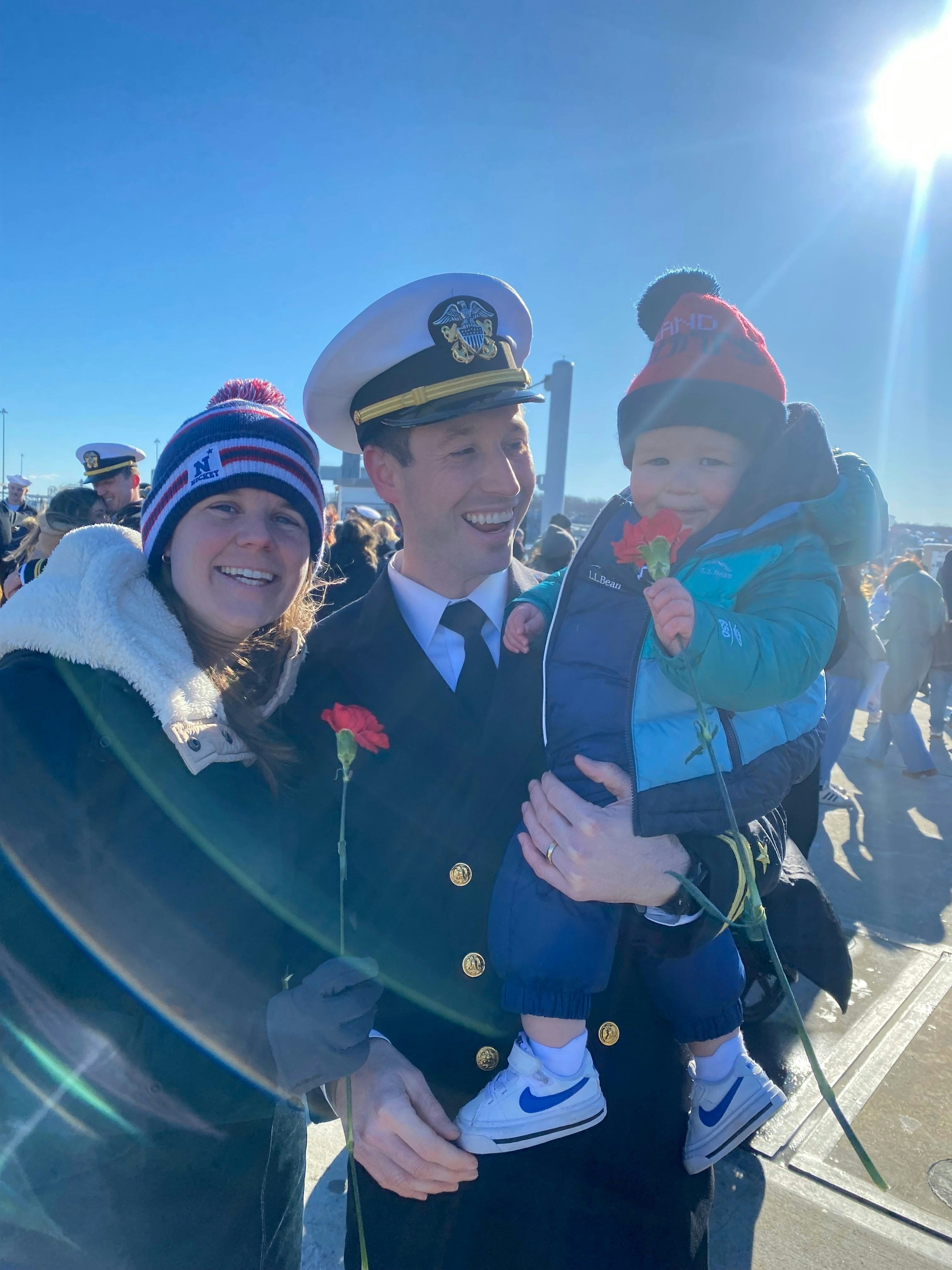
How does a decade operating nuclear submarines shape how you think about autonomy and trust in high-stakes systems?
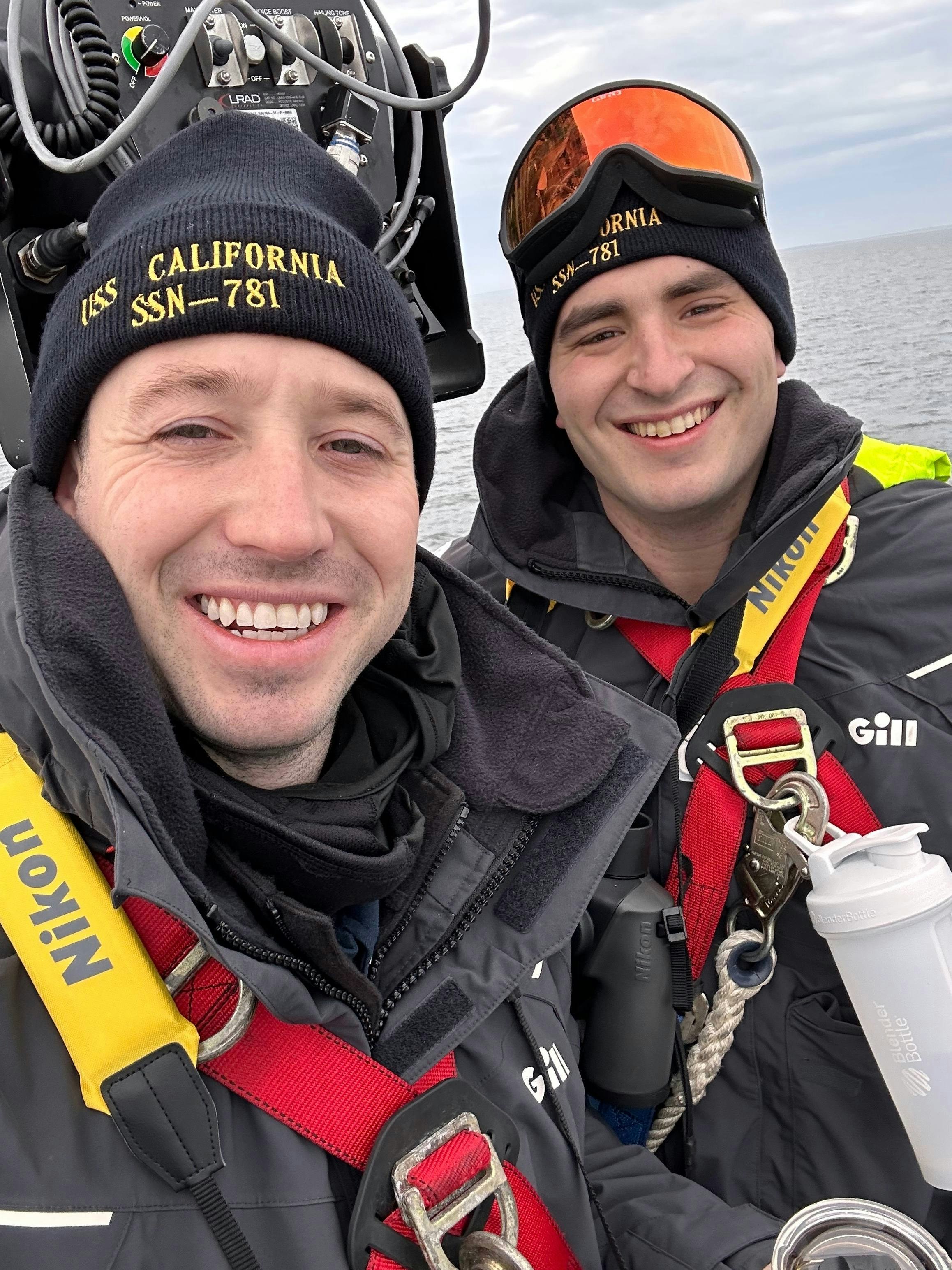
Taking 180 of your closest friends, diving in a tube hundreds of feet underwater for months on end, and then driving that submarine on a high-stakes mission will certainly teach you some things. One idea I always come back to from the boat (where we operated autonomous systems): we strove to be so trained, so rehearsed, so familiar with the system and the operation that when something was out of place, we knew it immediately and responded calmly, like it was second nature. That mindset is not complacency, it's next-level thinking in a mission context. That quiet confidence and shared mental model is the standard of excellence for high performing teams. I’ve seen it playing college hockey, across multiple submarines, and now in physical AI.
With autonomy in high stakes systems, you can build an even higher-performing team by leveraging technology. Autonomous systems are being designed to elevate human performance and thinking. Whether it's a submarine crew facing a mission decision, an autonomous forklift picking up car engines feet from a worker loading the next batch of parts, or a pilot freed to mission-plan while an autonomous system flies the aircraft and coordinates with ATC – all of these systems are being designed to elevate human performance. When a decision needs to be made, you're not thinking about the mechanics of controlling the craft; you're thinking about the big picture and acting like you’ve been there a million times before.


Cautionary Statement Regarding Forward-Looking Statements
The views expressed in this post reflect the personal perspectives of Tom Krysil, Merlin's Vice President of Programs, and contain forward-looking statements within the meaning of the Private Securities Litigation Reform Act of 1995; actual results may differ materially from those anticipated, and readers are cautioned not to place undue reliance on such statements, which speak only as of the date of this post and are subject to the risks and uncertainties described under "Risk Factors" in our filings with the Securities and Exchange Commission, including our Prospectus dated May 13, 2026, filed with the SEC on May 13, 2026, and our subsequently filed Quarterly Reports on Form 10-Q, which are available from the SEC. Except as required by applicable law, we undertake no obligation to update any of these forward-looking statements after the date of this post.