Meet the SkyCourier UX, from Textron Aviation and Merlin
UpdatesSeptember 14, 2026


The New Concept Pairs FAA-Certified Cessna SkyCourier® with Merlin Pilot™ to Sustain Distributed Forces
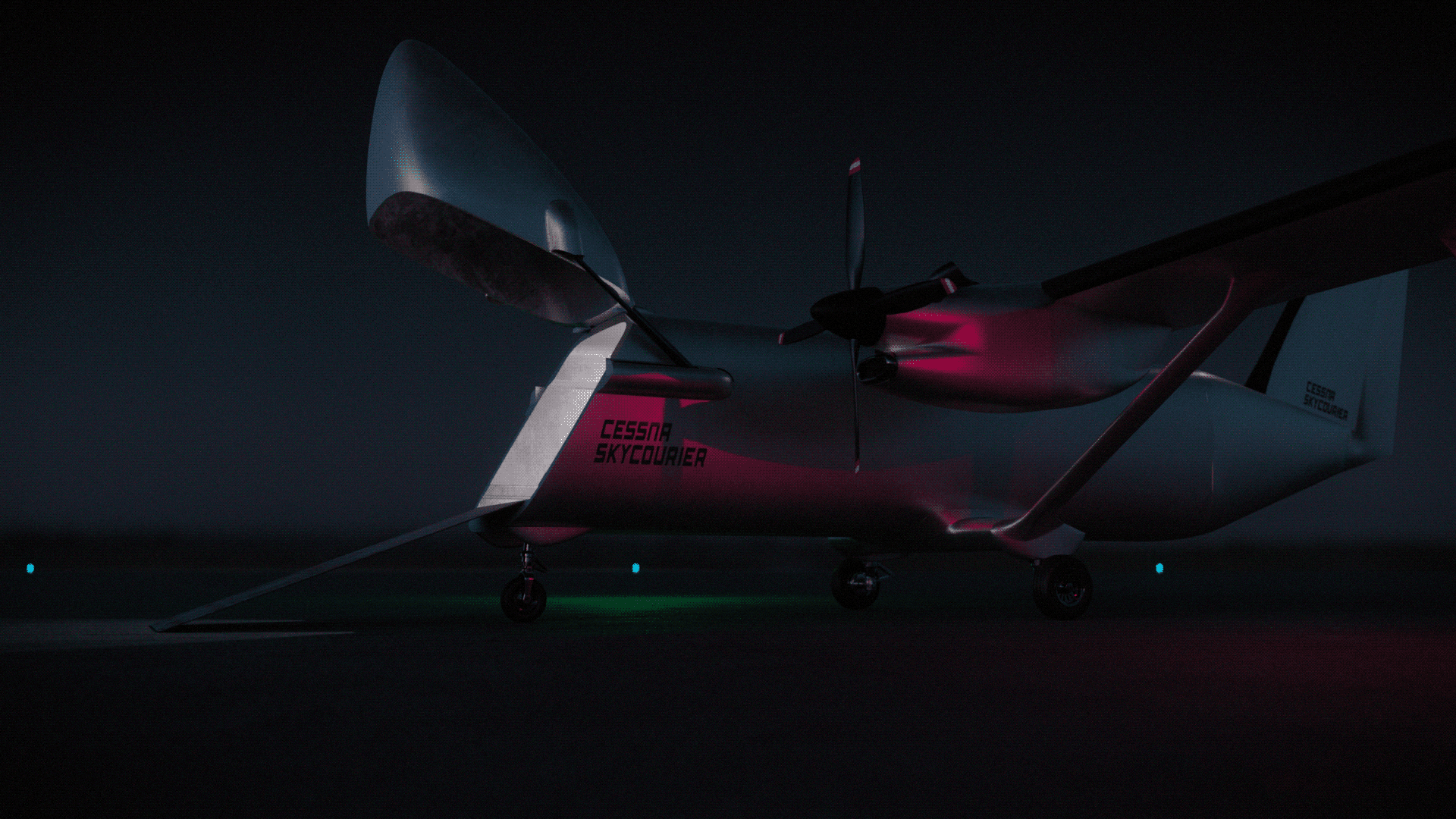
Textron Aviation and Merlin introduced a concept Cessna SkyCourier UX aircraft this week, combining the proven Cessna SkyCourier platform with Merlin’s aircraft-agnostic software solution for autonomous aviation. Revealed at the Air, Space & Cyber Conference with a floor model, the concept explores a new cost-efficient and scalable approach to address logistical challenges with supplying forces dispersed across contested operational environments when traditional supply routes are constrained, vulnerable or unavailable.
"Military planners are increasingly focused on how to sustain forces across distributed and contested operational environments," said Bob Gibbs, Vice President, Defense and Special Mission Sales at Textron Aviation. "The Cessna SkyCourier UX concept reflects our commitment to examining practical solutions to real-world mission challenges by leveraging real, certified products with innovative adaptation."
Addressing Evolving Sustainment Requirements
Built on the twin-engine turboprop Cessna SkyCourier platform, SkyCourier UX concept responds to growing military interest in sustaining forces operating from dispersed locations across increasingly complex operational environments. It is designed to offer an additional option for transporting cargo and critical supplies across the final leg of distribution networks, one that sits between small autonomous drones and large cargo craft like the C-130J.
Defense organizations worldwide are evaluating new approaches to logistics resilience as forces operate farther from traditional supply hubs and adversaries demonstrate increased ability to disrupt established transportation routes. This challenge is reflected in U.S. Department of War operational concepts such as Agile Combat Employment, Expeditionary Advanced Base Operations, and Distributed Maritime Operations, which rely on forces operating across dispersed locations with less centralized infrastructure, and therefore, on flexible ways to keep them supplied.
The SkyCourier UX concept explores how a medium-payload, fixed-wing aircraft could provide right-sized lift and give commanders additional options when larger aircraft are unavailable or unnecessary. Designed to support cargo movement within a theater of operations, and with the ability to take off and land on unimproved runways, SkyCourier UX offers a potential option for sustaining operations when access becomes challenging.
Filling the Gap Between Drones and Airlifters
The SkyCourier UX aircraft is intended to occupy a space between small tactical cargo drones and large military transport aircraft. Not every logistics mission requires a large airlifter, and many autonomous cargo systems lack the payload capability required for operational sustainment missions. Leveraging the capabilities of the Cessna SkyCourier platform, the UX concept offers fully autonomous takeoff and landing alongside meaningful payload capacity, short-field performance, and the flexibility needed to support intra-theater distribution and expeditionary operations. Fully autonomous landing capability was demonstrated publicly in July when Merlin Pilot completed an autonomous landing at EAA AirVenture Oshkosh aboard a Cessna 208B Grand Caravan.
"The future of contested logistics needs more capacity and access to places we wouldn't risk a crew," said Matt George, CEO and founder of Merlin. "Merlin Pilot has already flown hundreds of autonomous flights on Cessna Caravans, Beechcraft King Airs, and other aircraft. This concept pairs Merlin Pilot with a proven platform, the SkyCourier, to explore what an aircraft could look like when it's designed around autonomy and cargo instead of a crew. Solving contested logistics today takes proven autonomy and a proven airframe."
Designing Around Cargo, Not a Cockpit
Beyond autonomous flight operations, the concept explores how the absence of an onboard crew could enable new cargo configurations optimized for logistics missions. Design concepts under evaluation include a forward-loading cargo architecture that replaces traditional cockpit volume with additional cargo space and provides direct access through a large nose opening. Combined with aircraft kneeling capability and integrated loading systems, these concepts are intended to improve cargo accessibility, maximize usable volume, and support efficient operations from austere locations.
"By pairing a proven aircraft platform with autonomy technology, we're not only exploring new approaches to contested logistics operations, but also how autonomy may enable more efficient cargo aircraft designs that increase usable volume, improve cargo accessibility and support mission sustainment requirements," said Gibbs.
Leveraging a Proven Aircraft Foundation
Because it is based on an FAA-certified aircraft already in production, the platform could benefit from an established manufacturing system, global support network, and mature sustainment infrastructure. These advantages provide a practical foundation for evaluating future autonomous and pilot-optional logistics capabilities while leveraging existing aerospace infrastructure and industrial capacity to deliver at scale for the warfighter.
On the autonomy side, Merlin Pilot is progressing through its own certification pathway. In August, Merlin reached Stage of Involvement 3 with the Civil Aviation Authority of New Zealand (CAA) for two parts of Merlin Pilot: the Flight Control Computer and Automated Communication System. The work was conducted with the CAA in coordination with the FAA under a Bilateral Aviation Safety Agreement. Merlin also recently announced its plans to pursue certification for large, high-assurance aircraft, aimed at improving safety and efficiency for operators. Merlin’s broader autonomy work also includes serving as the prime contractor bringing autonomy to the C-130J under an IDIQ contract with USSOCOM valued at up to $105 million.
Based on current design objectives, the SkyCourier UX light lift aircraft would be capable of carrying approximately 6,000 pounds of payload, accommodating up to three LD3 cargo containers and operating from austere runways. Potential applications include hub-to-spoke distribution, sustainment of expeditionary bases, transportation of mission-critical repair parts, delivery of medical supplies and support for island and remote-airfield operations.
Ongoing work by Merlin will include engineering studies and evaluations aimed at building confidence in autonomous and pilot-optional resupply operations. A model of the Cessna SkyCourier UX is on display for the first time at the Air, Space & Cyber Conference, Booth #235.
Cautionary Statement Regarding Forward-Looking Statements
This post contains forward-looking statements within the meaning of the Private Securities Litigation Reform Act of 1995; actual results may differ materially from those anticipated, and readers are cautioned not to place undue reliance on such statements, which speak only as of the date of this post and are subject to the risks and uncertainties described under "Risk Factors" in our filings with the Securities and Exchange Commission, including our Prospectus dated May 13, 2026, filed with the SEC on May 13, 2026, and our subsequently filed Quarterly Reports on Form 10-Q, which are available from the SEC. Except as required by applicable law, we undertake no obligation to update any of these forward-looking statements after the date of this press release.
Related

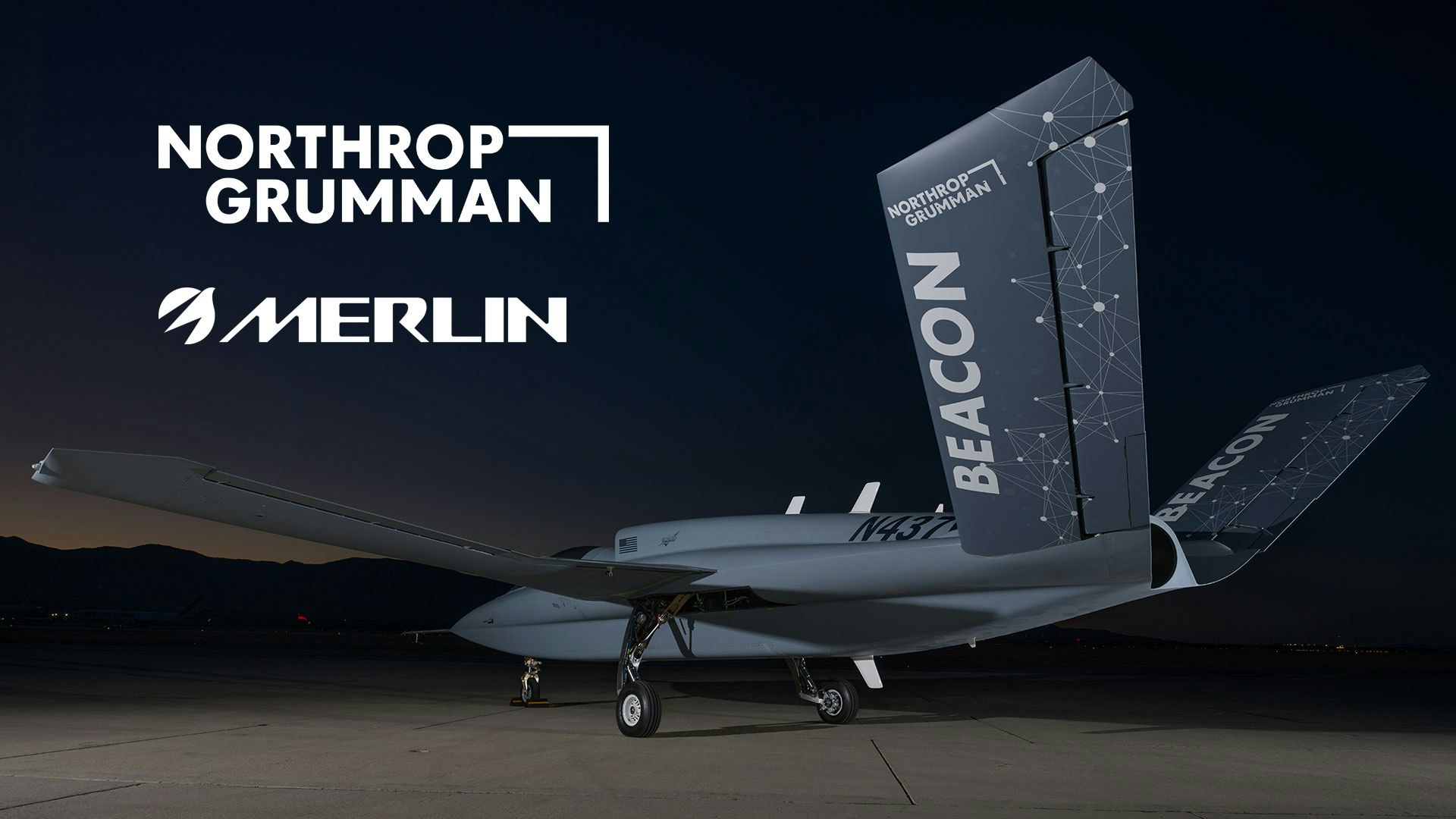
Merlin Signs Agreement with Northrop Grumman Corporate to Advance Next-Generation Autonomous Flight
Press Release
Jul 30, 2025


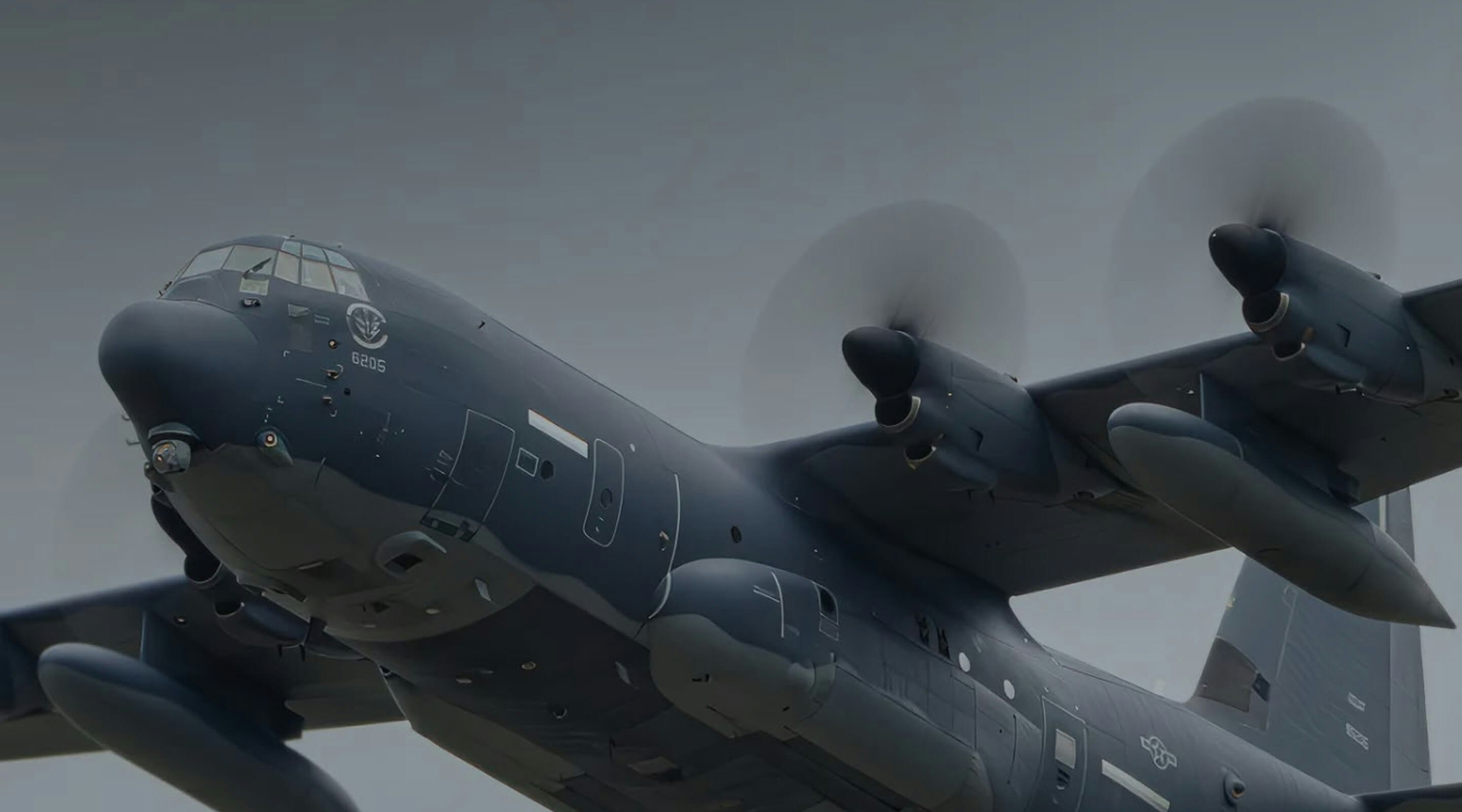
Merlin Successfully Completes Critical Design Review for C-130J Autonomy Program with USSOCOM
Press Release
Jun 04, 2026


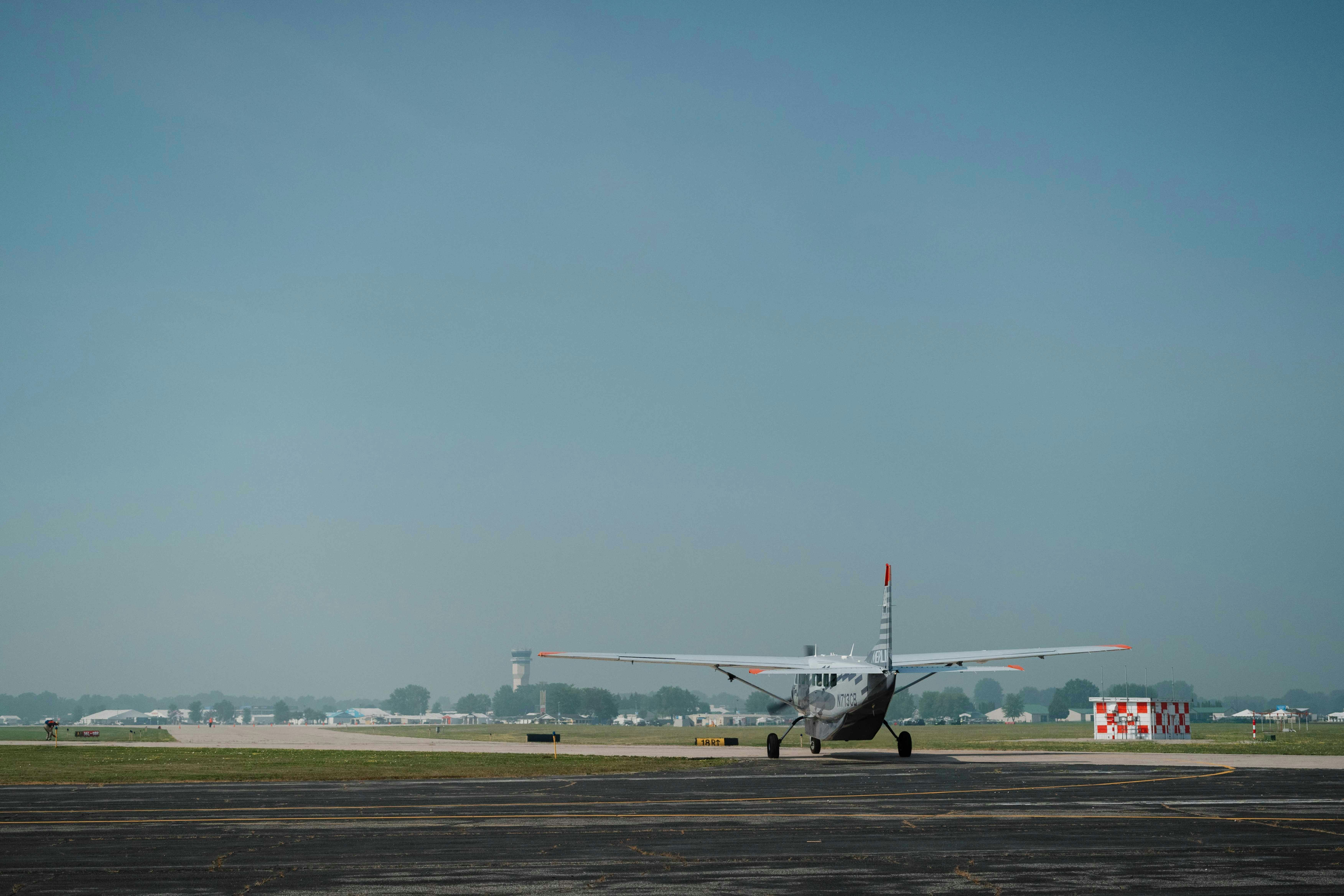
Moving Our Civil Certification Strategy to Large Aircraft
Investor
Sep 09, 2026