Moving Our Civil Certification Strategy to Large Aircraft
UpdatesSeptember 09, 2026


By Matt George, Founder & CEO, Merlin Labs
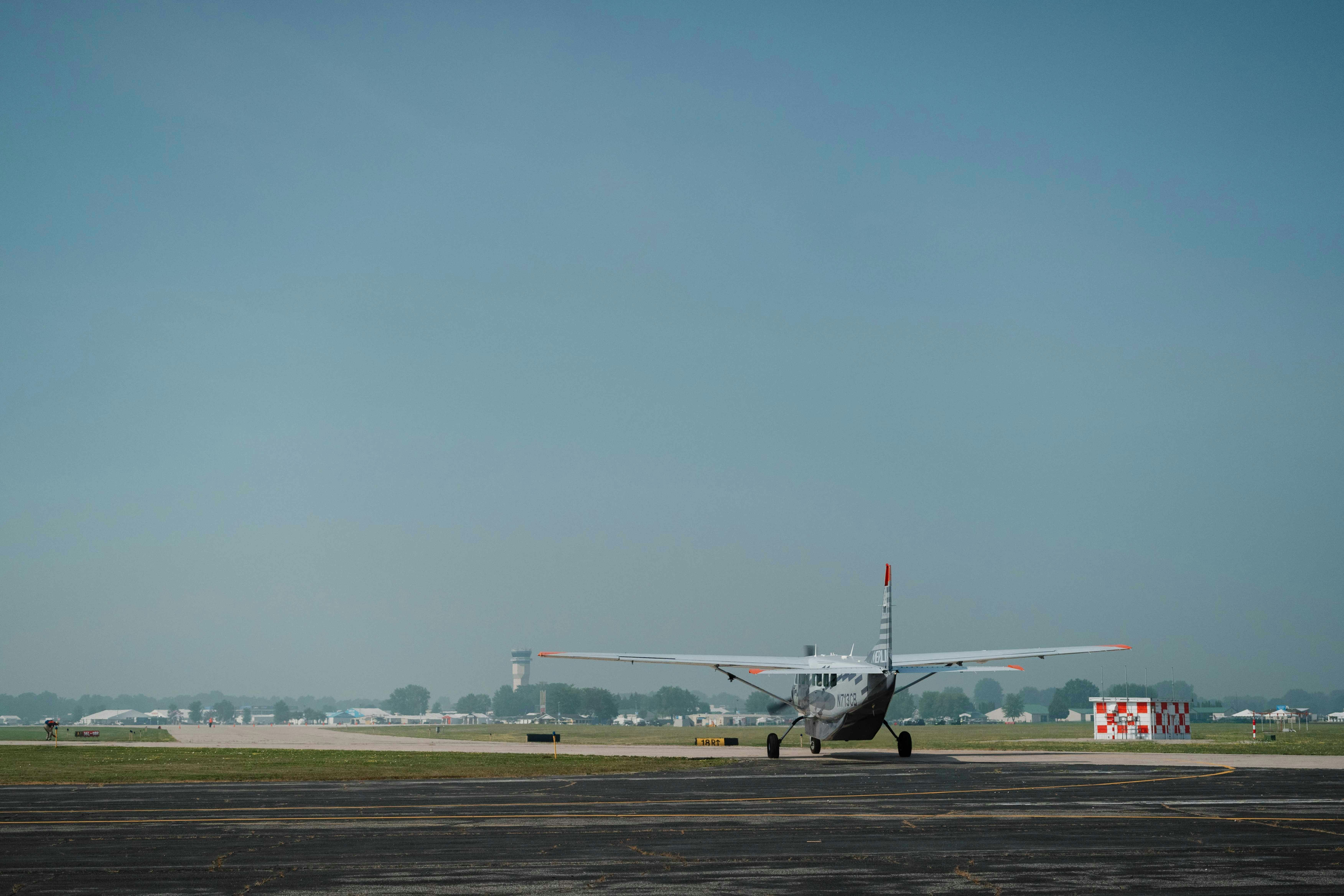
Five years ago we started a small aircraft certification program in New Zealand to answer a question: could a machine learning flight system clear a formal certification process with a national aviation authority?
Our team answered it by achieving its Stage of Involvement (SOI) 3 milestone and a Stage 4 issue paper addressing the use of AI/ML-based natural language processing with the New Zealand Civil Aviation Authority (CAANZ). That work is hard and very few organizations in aviation have done it. It helped us make the Merlin Pilot more capable, it helped us build a strong certification-forward engineering program, and it gave us a credible foundation for certifying AI-powered autonomy across airframes.
Today we announced that we’re shutting that small aircraft program down, and I want to talk about why. This was a hard decision, but I believe it was the right one, and I am more excited about the future of Merlin’s civil certification program than ever.
We began flying the Merlin Pilot in NZ before there was a precedent for it, and very few organizations in aviation have taken an AI flight system into a formal certification process. The Merlin Pilot has changed just as much: what began as autonomy for a single airframe is now a more mature, higher-assurance software core designed to be certified once and deployed across many, and large aircraft are where we believe that architecture returns the most.
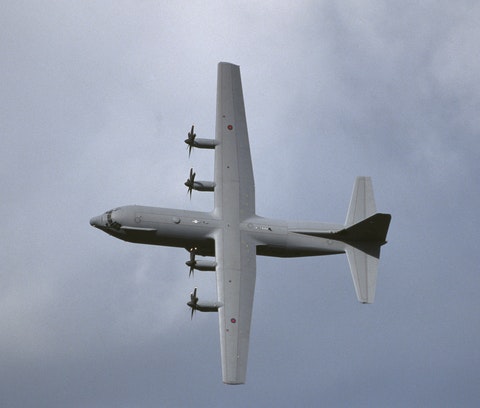
Concentrating our civil certification investment on large aircraft builds on our existing work on multi-crew aircraft in the defense sector, including the C-130J program, and aligns it with the more significant commercial opportunities tied to large aircraft commercially operating around the globe.
Focusing on large aircraft, and concentrating our resources there, is only possible because of what the New Zealand team accomplished. The technical foundation, the verification methods, the regulatory experience, the credibility we built with the regulatory authorities along the way. All of it travels. All of our upcoming certification work on large aircraft will be built on the back of what that team built.
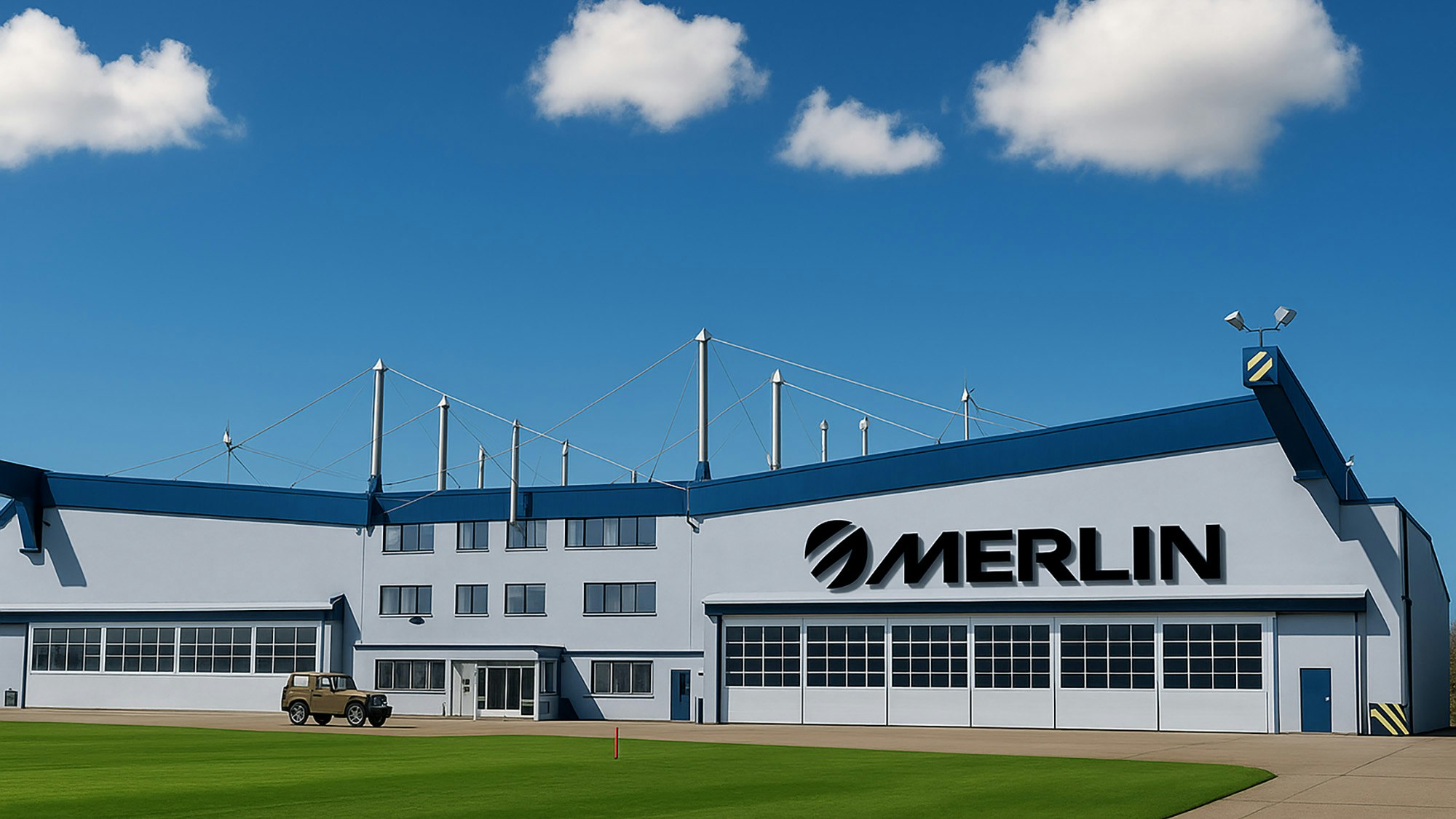
Importantly, New Zealand does not go away. Kerikeri remains our flight test center and our Pacific demonstration home, and we intend to begin commercial operations there, under the CAANZ Part 107 rule.
As Merlin grows, it is essential that we be very intentional about where to invest capital and resources. When we looked at the return on the time and spend required to finalize certification on a small aircraft against what the same engineering resources could unlock on large aircraft, the result was not close. Large aircraft fly more hours, carry more value per installation, and reach a market that is far larger than the one we were pursuing with our small aircraft efforts.
There are over 7,000 large commercial aircraft in service in the U.S. alone, and much of that fleet lacks modern computing capabilities and faces lengthy upgrade timelines. Because these aircraft fly long routes at high utilization, the operational benefits compound across thousands of flight hours a year. US Operators spend approximately $24 billion annually on the crews who fly them, and the industry faces a structural pilot shortage: Oliver Wyman estimates the North American and global shortages to approach 30,000 and 80,000 pilots by 2032, respectively. Longer term, Boeing projects a need for approximately 674,000 new pilots over the next two decades. The demand for autonomy to make large aircraft operations safer and more efficient is structural and urgent.
The decision to focus our resources on the much larger and consequential opportunity in large aircraft is unquestionably the best course for Merlin, given the progress made to date and the market landscape today and expected in the future.
Cautionary Statement Regarding Forward-Looking Statements
This blog contains forward-looking statements within the meaning of the Private Securities Litigation Reform Act of 1995. Forward-looking statements can be identified by words such as “anticipate,” “believe,” “estimate,” “expect,” “forecast,” “intend,” “may,” “plan,” “potential,” “project,” “target,” “will,” and similar terms. All statements other than statements of historical fact should be considered forward-looking statements, including without limitation statements regarding: Merlin's plans to pursue a civil certification strategy for large aircraft, and the anticipated timing and outcomes of that strategy; Merlin's plans to apply the technical foundation and regulatory experience developed through its small aircraft certification program; Merlin's plans regarding continued flight testing, demonstration activities, and commercial operations in New Zealand; expected synergies and compounding benefits across Merlin’s defense and civil programs; and the anticipated benefits and future development of Merlin's autonomous flight technology. These forward-looking statements are based on our current expectations, assumptions, and projections about future events and trends. These forward-looking statements are neither promises nor guarantees, but involve known and unknown risks and uncertainties that could cause actual results to differ materially from those expressed or implied by the forward-looking statements, including without limitation the risks and uncertainties detailed in our filings with the Securities and Exchange Commission. This press release also contains estimates and other information regarding our industry and market, including the size of the large commercial aircraft market, operator spending levels, and pilot supply and demand projections, which are based on management estimates, which have been derived from third- party sources, as well as data from our internal research. While we believe the estimated industry and market data included in this press release are generally reliable, such information, which is derived in part from management’s estimates and beliefs, is inherently uncertain and imprecise. Except as required by applicable law, we undertake no obligation to update any of these forward-looking statements after the date of this blog.