When the Road Runs Out
UpdateSeptember 22, 2026


How Automation Can Strengthen Supply Chains in Remote and Disrupted Environments
Every supply chain eventually reaches a point where its usual assumptions no longer hold. Sometimes that point is visible on a map, like a mine operating hundreds of miles from a major transportation hub. Sometimes it appears without warning, when a natural disaster damages infrastructure and turns a previously routine destination into a difficult one.
The circumstances are different, but the logistical problem is similar. People still need equipment, replacement parts, medical supplies, and other essential goods when the usual route is unavailable, unreliable, or too slow. Before anything moves, organizations must understand whether the fastest answer is a repair, a reroute, or another way in.
In many cases, the answer may not be to try to transform the legacy infrastructure foundation, but to find better ways to augment it. Not more or longer roads, but new, safer, and more efficient ways to move goods and people.
Operating With Fewer Options
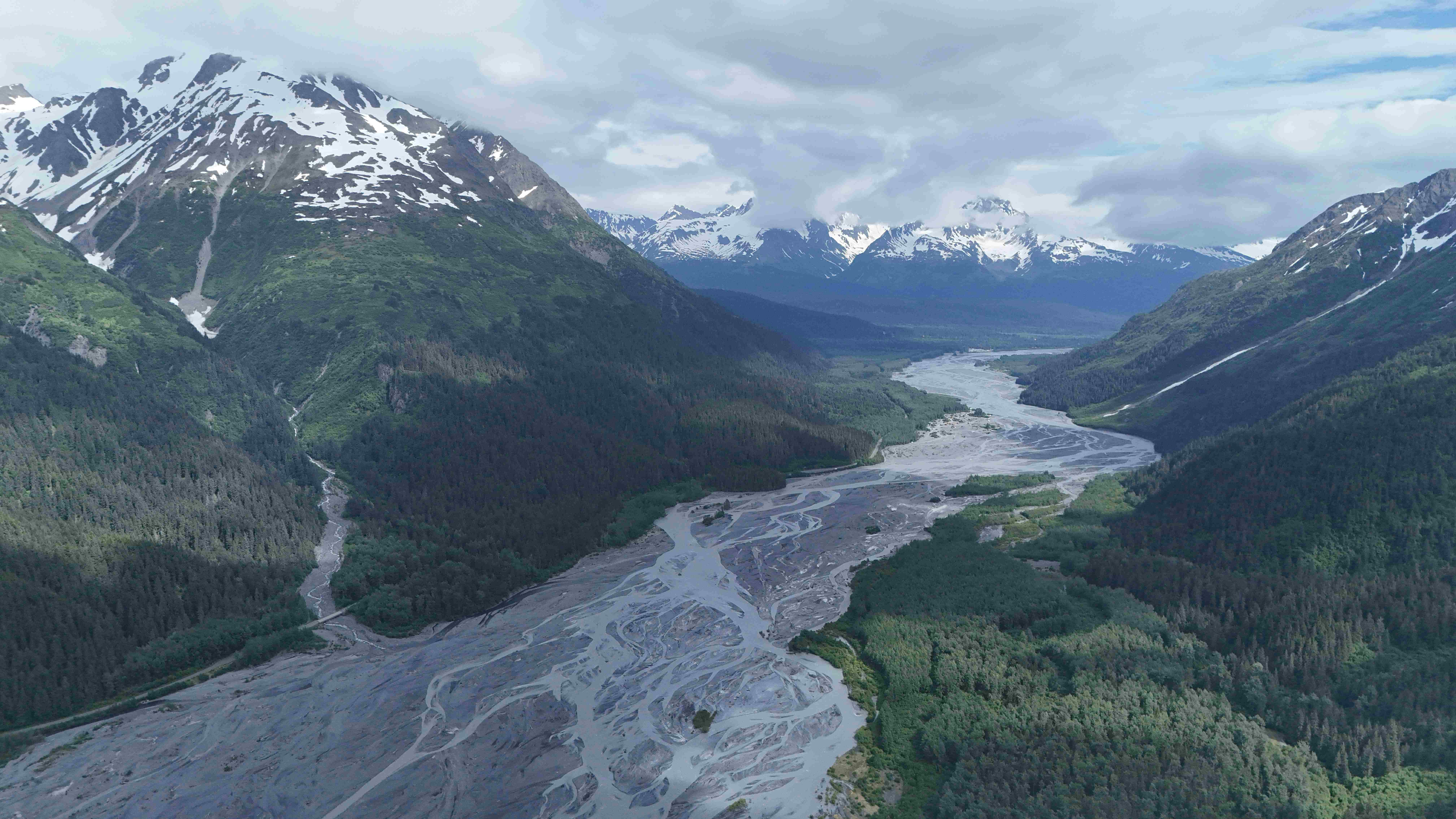
Mineral deposits are found where geology puts them, often far from established infrastructure. Canada’s own critical minerals strategy notes that many are located in remote regions with limited access to transportation and energy. In these areas, equipment and materials must move through networks with fewer routes and limited access to nearby suppliers. A component that would be routine to replace at an urban facility can therefore become an urgent operational problem, even when the part itself is relatively small.
A disaster can create the same scarcity of options almost overnight. Damage to roads, bridges, and communications can close familiar routes just as demand for reliable information, supplies, and equipment increases. The remaining network must then handle more urgent needs through fewer functioning connections.
In either setting, distance is compounded by uncertainty about where the disruption is, which routes are still usable, and what can be fixed on site versus what has to come from somewhere else. Answering those questions sooner can be as important as moving the eventual shipment.
From Finding the Problem to Fixing It
The Copernicus Emergency Management Service uses satellite imagery to produce rapid maps after natural disasters that show the extent of an event and assess damage to buildings and other transportation networks within hours or days. That information can help emergency managers focus inspections and direct limited resources toward the places that need them most.
In mining, the World Economic Forum has highlighted the growing use of digital twins to monitor conditions and estimate the life of critical assets. That visibility opens opportunities to catch signs of wear before a component fails and allow more time to locate parts, schedule specialized labor, and plan a repair.
Australia’s national science agency, CSIRO, is developing robotic systems that use machine vision to identify damage and perform repairs such as welding or additive metal deposition. The agency is exploring how these systems could repair critical mining infrastructure in place, avoiding the need to ship a large component to a distant facility and back.
Each of these innovations narrows the gap between learning that something has gone wrong and being able to act on it. But some parts and supplies still have to move, and when they do, the wider transportation network will decide how fast.
Keeping the Network Connected
Resilient logistics depends on having options, and enough information to know which one to use. Roads, railways, ports, airfields, and regional inventories all play a part, and when one connection becomes constrained, another may have to carry more of the load.
When cargo is small but urgent, regional aviation can close a critical gap. A replacement component, medical shipment, or specialized tool may not require the capacity of a surface freight network, but it may not be able to wait for one either.
Merlin has encountered both sides of this challenge through regional freight operations in New Zealand and advanced automation trials in Alaska. In New Zealand, Merlin worked with Ngāi Tahu Seafood and Air Kaikōura to move live seafood from a small coastal airfield into a larger international transportation network. During its first season, Merlin transported more than 125,000 pounds across 100 flights. A journey that required a five-hour ferry trip or six-hour drive could be completed by air in approximately one hour. The cargo was perishable, so its value depended on reaching the next link in the supply chain quickly. Meeting that need meant operating across the same conditions that complicate many remote routes, including variable weather, complex terrain, limited communications coverage, and a finite pool of qualified personnel.
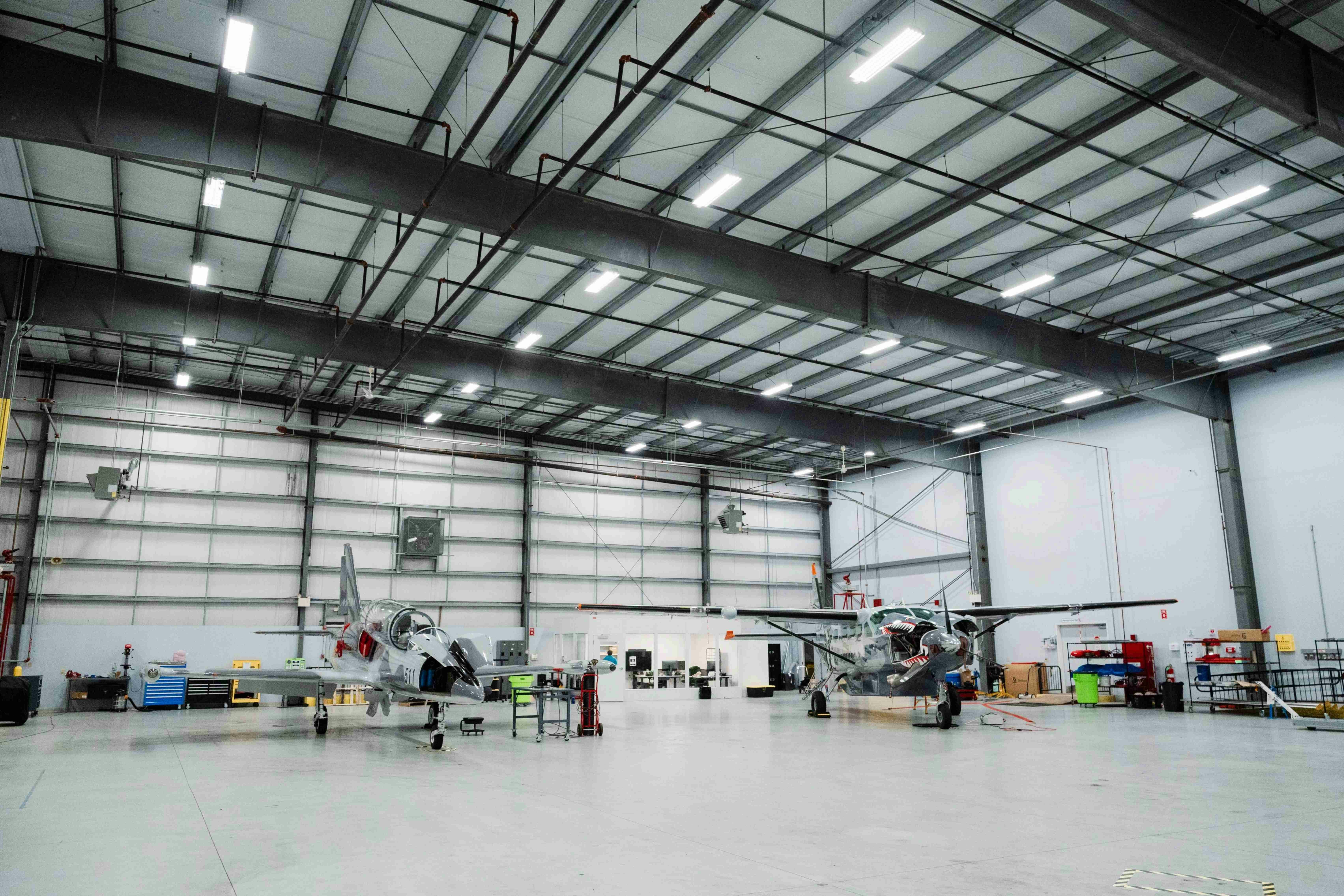
During FAA-contracted flight trials in Alaska, Merlin evaluated advanced automation in exactly that kind of environment. Working with the University of Alaska Fairbanks UAS Test Site and Everts Air Cargo, Merlin flew routes between Fairbanks and five rural destinations. Across 25 crewed flights conducted with a safety pilot, the program accumulated more than 60 hours of systems-on autonomous flight time.
Together, we believe the New Zealand operations and Alaska trials show why access and capability have to advance in parallel. Regional connections create value when they can move time-sensitive cargo across distances the ground network cannot cover quickly. Advanced automation is intended to make those connections more flexible and scalable across the demanding environments where they can matter most.
This opportunity extends beyond any single type of cargo. Mining equipment, repair materials, medical supplies, communications hardware, and perishable goods all present different requirements, but in each case, what matters most is how quickly the network can move something important from where it is to where it needs to be.
Closing the Distance Between Signal and Action
In remote logistics, distance is measured as much in time as in miles. Automation can shorten the interval between identifying a disruption and responding to it, whether that means assessing damage, planning a repair, or rerouting critical cargo. The strength of the network lies in how quickly it can adapt and keep essential goods moving.
Cautionary Statement Regarding Forward-Looking Statements
This post contains forward-looking statements within the meaning of the Private Securities Litigation Reform Act of 1995. All statements other than statements of historical fact should be considered forward-looking statements. These forward-looking statements are based on our current expectations and projections about future events and trends. These forward-looking statements are neither promises nor guarantees, but involve known and unknown risks and uncertainties that could cause actual results to differ materially from any future results, performance or achievements expressed or implied by the forward-looking statements, including without limitation the risks, uncertainties, and assumptions as described in our filings with the U.S. Securities and Exchange Commission. Except as required by applicable law, we undertake no obligation to update any of these forward-looking statements for any reason after the date of this post.