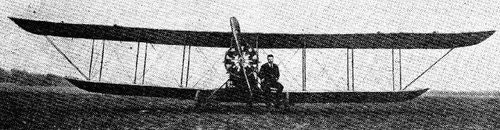
Why the C-130J Is an Ideal Platform for Autonomy
UpdatesJune 05, 2026


By Erin Staine-Pyne, General Manager, Mobility and SOF, Merlin
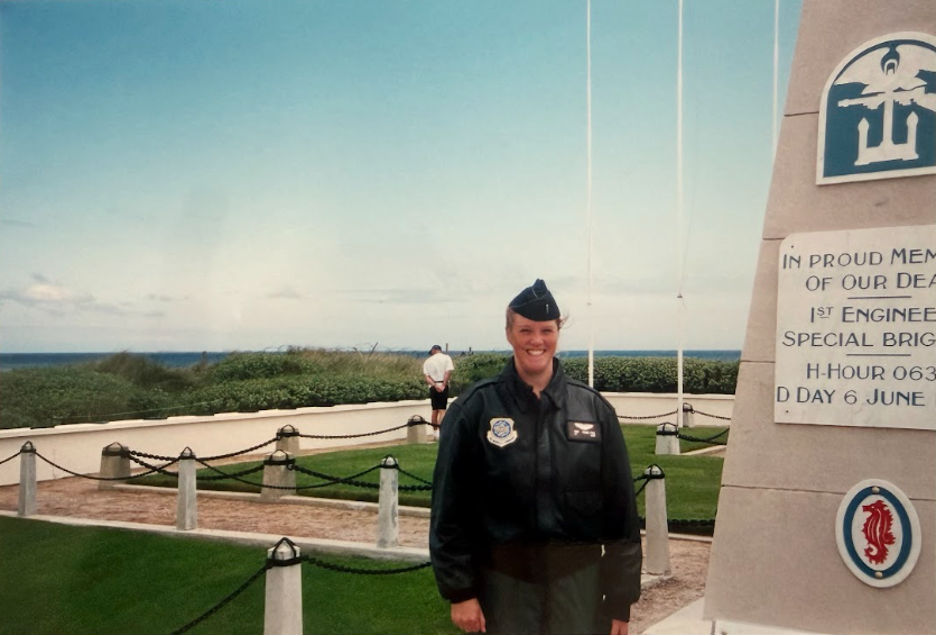
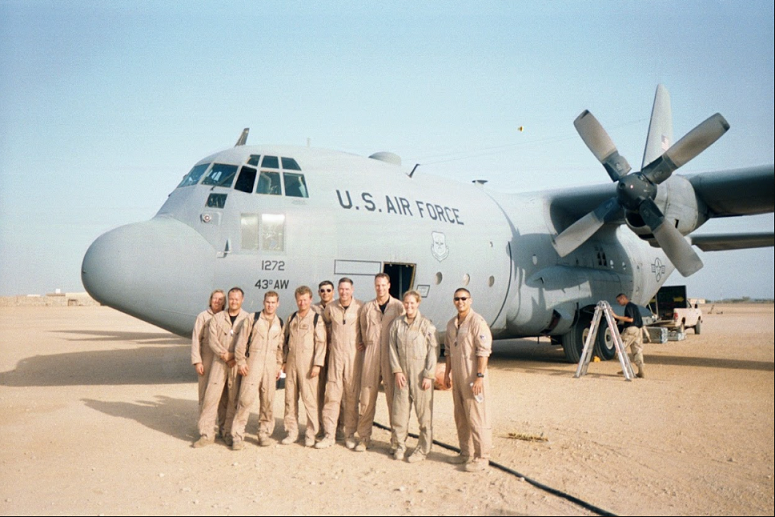
Twenty-six years ago, I graduated from U.S. Air Force pilot training and headed to Little Rock, Arkansas to learn how to fly the mighty C-130 Hercules. I remember the first time I walked out onto the flight line and climbed the stairs into “the Herk.” The aircraft had just returned from a dirt landing zone training mission and had a light red coating of dirt across it.
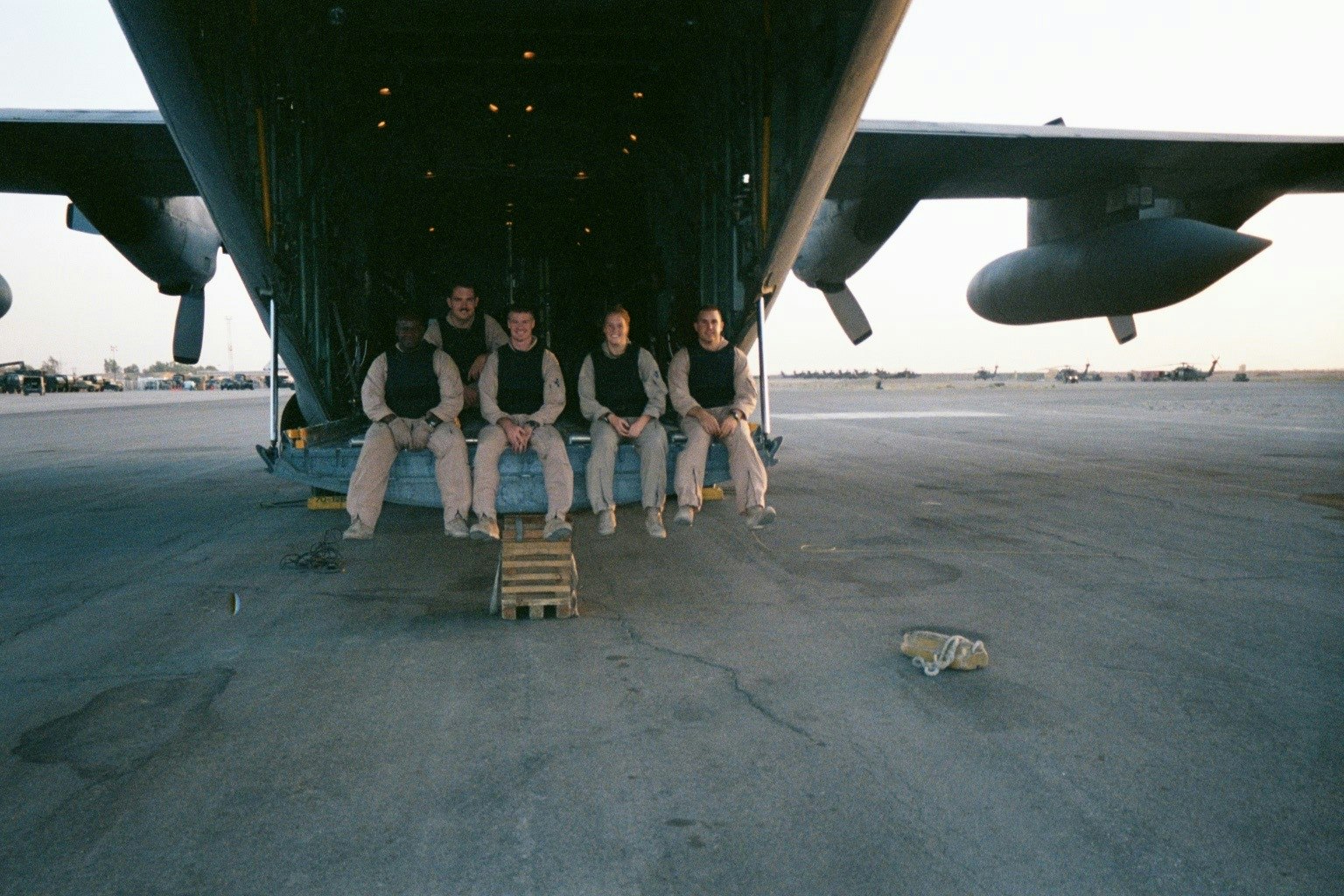
I spent 27 years in the Air Force flying the C-130 and C-17. I was part of the first landings with Special Forces units at Rhino Landing Zone at the very beginning of Operation Enduring Freedom and landed on a taxiway next to the bombed out runway with the help of Night Vision Goggles (NVGs) at Baghdad International Airport at the beginning of Operation Iraqi Freedom.
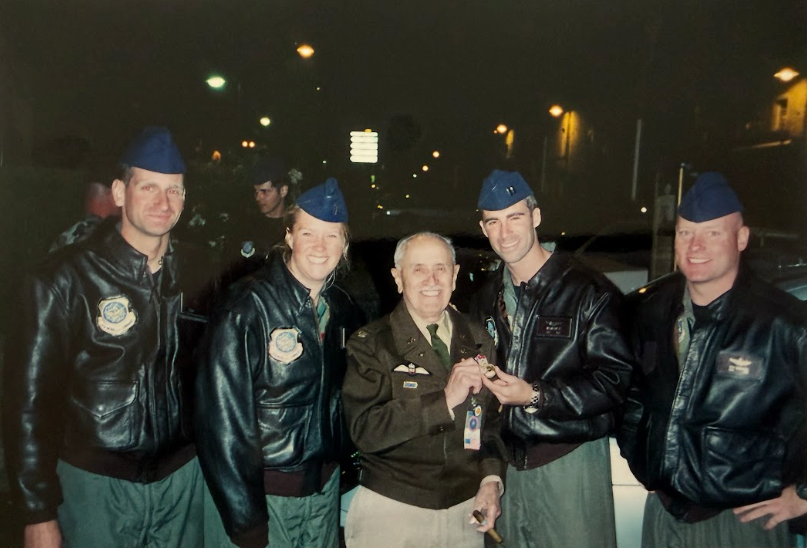
Throughout my career I was part of complex and stressful combat missions, but also flew fun and adventurous missions into South America, Europe, and the Pacific. Throughout them all I relied on the Herk to perform and it always did. The C-130 has the longest, continuous military aircraft production run in history for a very good reason.


One of the many reasons I joined Merlin is because of the opportunity to bring autonomy to U.S. Special Operations Command’s (USSOCOM) C-130J aircraft. I’m excited to be part of the team at Merlin that successfully completed the Critical Design Review (CDR) for its C-130J autonomy program. I’m even more excited about what Merlin is doing to bring autonomy to support the military in some of its most challenging mission sets.
I believe that the completion of CDR validates the maturity of Merlin’s system architecture and advances the program from design into aircraft integration activities. This is an important step toward bringing autonomy to one of the most iconic and operationally demanding aircraft in the world.
But beyond the technical milestone, the program highlights something even more important: why the C-130J is one of the most ideal aircraft in the world for implementing autonomy.
Why the C-130J
While the C-130J is the backbone of tactical air mobility for all combatant commands, it is responsible for the clandestine infiltration, exfiltration and resupply of special operation forces in hostile or sensitive locations. The aircraft flies low-level, conducts airdrops, airland operations, and in-flight refueling of special operations helicopters. It lands on dirt, blacked out landing zones, moves cargo and crews into places other aircraft can’t reach. The C-130 also serves humanitarian missions, delivering food, aid, and supplies in the aftermath of natural disasters and crises.
That breadth of mission capability is exactly what makes the aircraft such a compelling platform for autonomy. Few aircraft experience the same level of operational variability, complexity, and crew workload.
Autonomy in aviation is often misunderstood as an effort to simply replace pilots. But, the greatest value of autonomy lies in reducing pilot workload, increasing situational awareness, and improving operational safety. The C-130J creates an ideal environment for autonomy because mission intensity can shift dramatically throughout a flight. Crews spend long periods simply flying straight and level before suddenly transitioning into high stress, high tempo operations where workload spikes significantly.
Merlin’s autonomy system is being designed to assist crews in both scenarios. During lower workload portions of flight, autonomy can help manage aircraft operations and reduce pilot fatigue. During high-intensity moments, such as landing in unfamiliar or hostile environments, autonomy can support flight operations while enhancing situational awareness and mission execution.


From Flight Autonomy to Mission Autonomy
What we’re building at Merlin is designed to span both.
Flight autonomy is the system that operates the aircraft itself: it keeps aircraft control and positioning, monitors and manages onboard systems, reducing the need for crew intervention. Mission autonomy is the system that understands and executes the operational objectives: intelligence, surveillance, reconnaissance, search patterns, threat avoidance, and contested logistics, the harder problems that sit on top of aircraft control.


For military operators, that distinction matters. Flight autonomy helps keep the aircraft operating safely and efficiently. Mission autonomy helps the aircrew contribute more effectively to operational outcomes.
The implications become especially important in future contested logistics environments, particularly across the Pacific theater, where forces may be dispersed across vast distances and supply chains become increasingly difficult to sustain. In those environments, autonomy has the potential to fundamentally change how critical supplies, equipment, and personnel are delivered at scale.
Building Trust Through Assured Autonomy
As autonomy is introduced to platforms like the C-130J, trust and safety must remain the top priorities.
Merlin’s approach reflects the understanding that autonomy cannot simply be introduced overnight, but must be proven through rigorous testing, operational validation, and real-world integration on aircraft operating in some of the most demanding environments imaginable, such as the C-130J.
Long-term, autonomy has the potential to fundamentally reshape aviation by making it safer, more efficient, and more accessible. But for military operators, the impact could be even more meaningful. In the most challenging and dangerous missions, I believe autonomy could help crews make the right decisions, operate more safely, and ultimately help ensure that soldiers, sailors, marines, and airmen are able to accomplish the mission and return home safely to their families.


Forward-Looking Statements
This post contains forward-looking statements within the meaning of the "safe harbor" provisions of the Private Securities Litigation Reform Act of 1995, including statements regarding the advancement of Merlin's C-130J autonomy program into aircraft integration and testing; the anticipated performance and scalability of the Merlin Pilot autonomy stack; and the potential for autonomous systems to reduce crew workload and support military operations. These statements involve known and unknown risks and uncertainties that may cause actual results to differ materially from those expressed or implied, including Merlin's ability to execute on its USSOCOM program obligations, the performance and reliability of its autonomy systems, and the other risks described under "Risk Factors" of our final prospectus, dated May 13, 2026, filed with the SEC on May 13, 2026, and in our Quarterly Report on Form 10-Q filed with the SEC on May 15, 2026. Merlin does not undertake any obligation to update any forward-looking statement except as required by law.