The Cessna Grand Caravan: A Testbed for Aircraft-Agnostic Autonomy
UpdateOctober 22, 2026


Frequent Testing on an Established Utility Aircraft Informs the Engineering Work Required to Adapt Autonomy Across Different Platforms
The Caravan’s Role in Autonomy Development
The Cessna Grand Caravan has spent four decades carrying passengers and freight as well as supporting medical and humanitarian missions worldwide. Textron Aviation reported in 2024 that the broader Caravan family had surpassed 3,000 deliveries and 25 million flight hours, with certification in 100 countries.
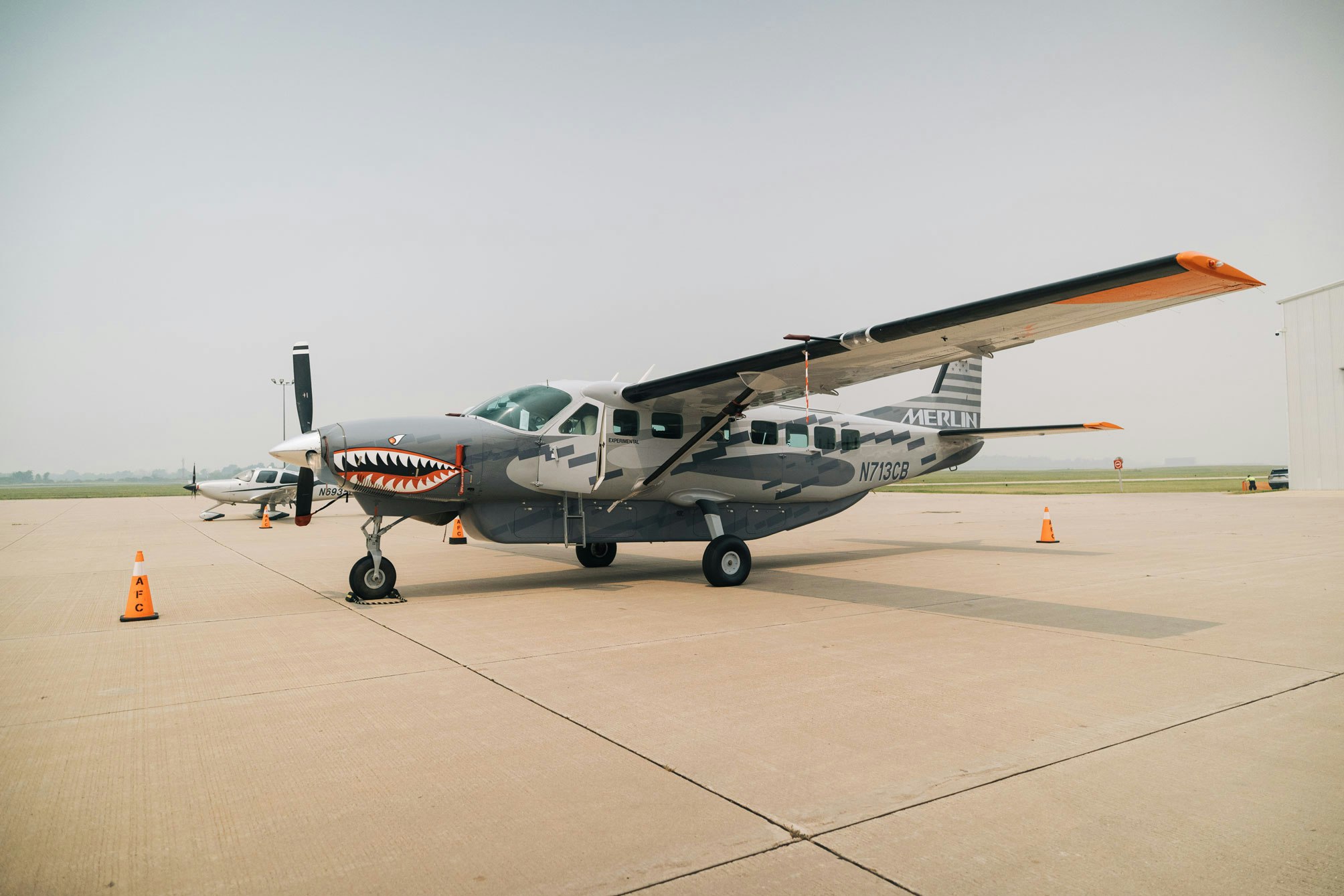
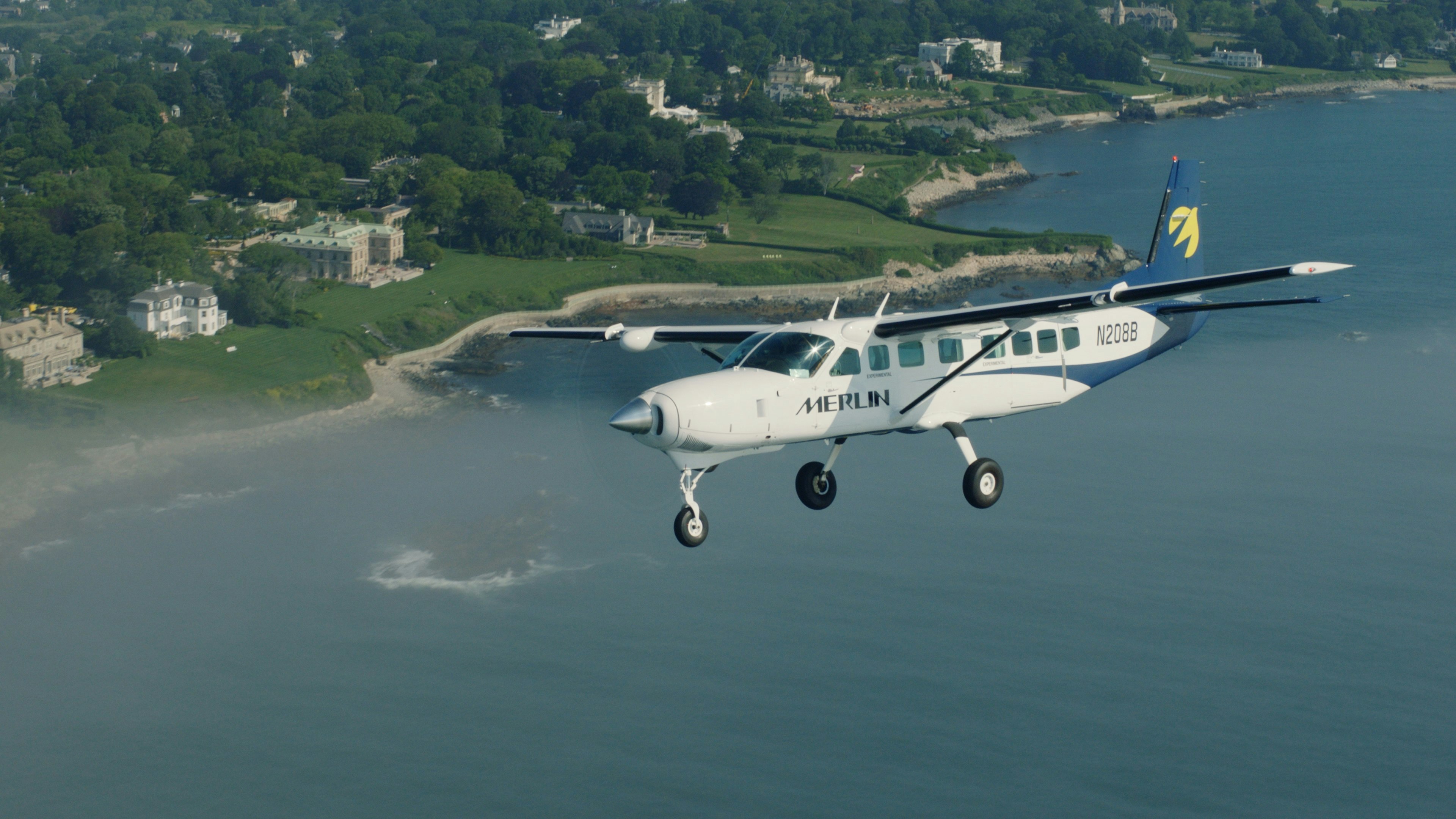
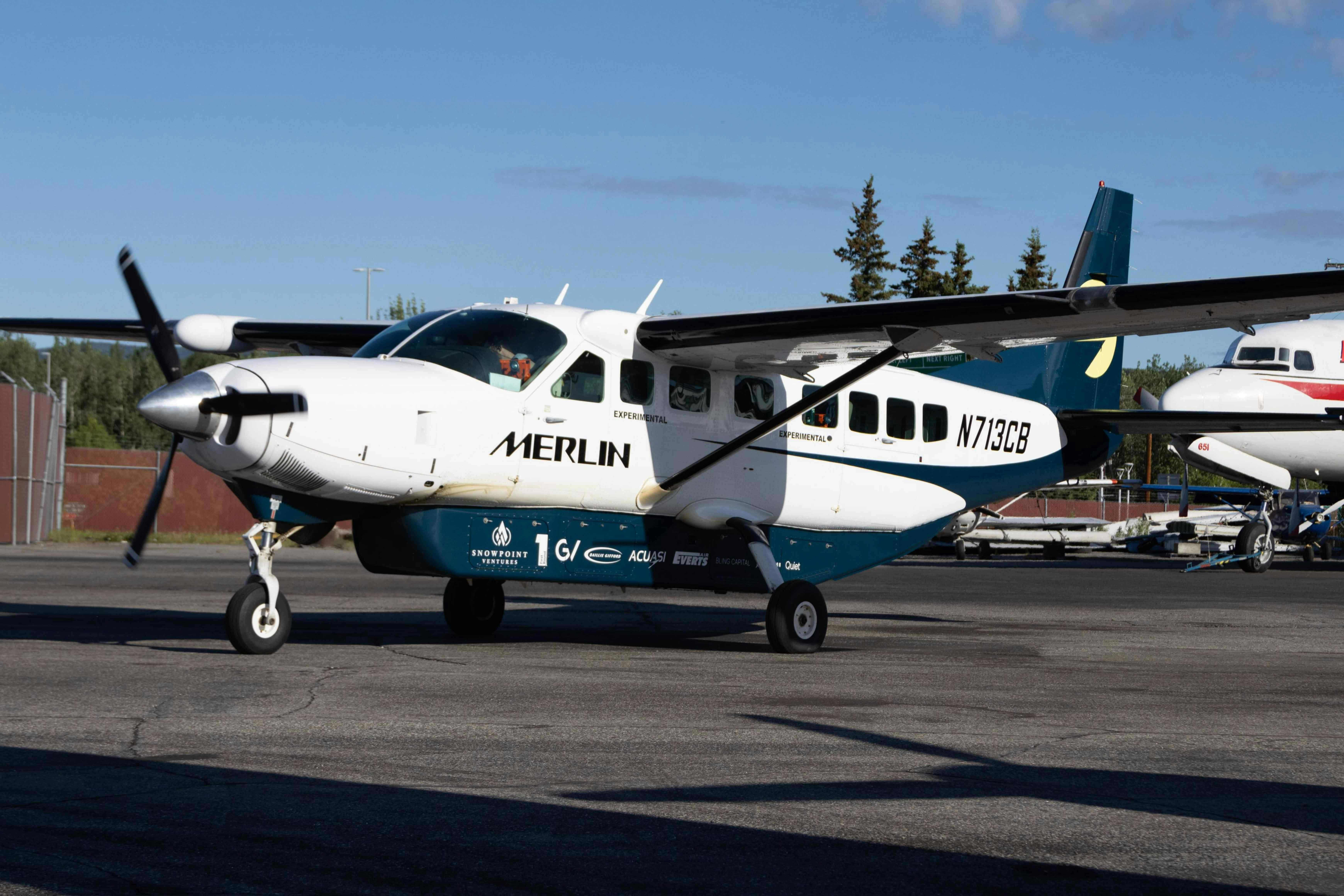
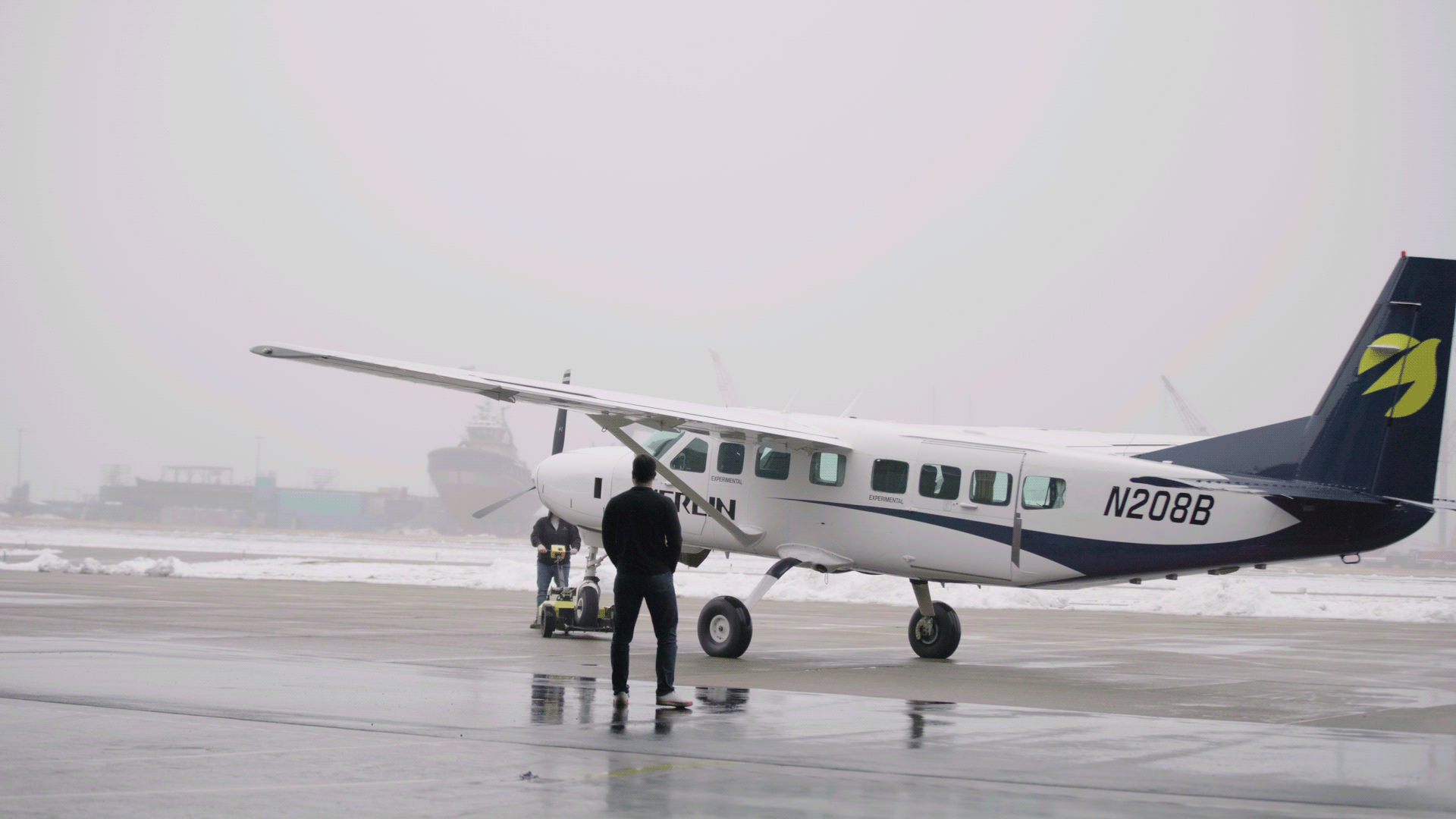
Within Merlin’s fleet, the Cessna Grand Caravan 208B serves as a regular testbed for evaluating software and aircraft behavior, and collecting flight data to help inform Merlin Pilot’s development.
The Caravan is part of a deliberately varied set of aircraft used to develop and test Merlin Pilot across different mission profiles and airframes. Each brings its own systems, flight characteristics, and operational demands to the same autonomous platform. This series explores each aircraft and why Merlin chose it, beginning with the Caravan’s role in short transport missions and frequent flight testing.
Aircraft at a Glance
Manufacturer/model: Cessna Grand Caravan 208B
Configuration: Single-engine turboprop
Typical missions: Cargo, transport, logistics, MEDEVAC, CASEVAC, humanitarian support, and more
Role at Merlin: Current fleet; flight testing and development
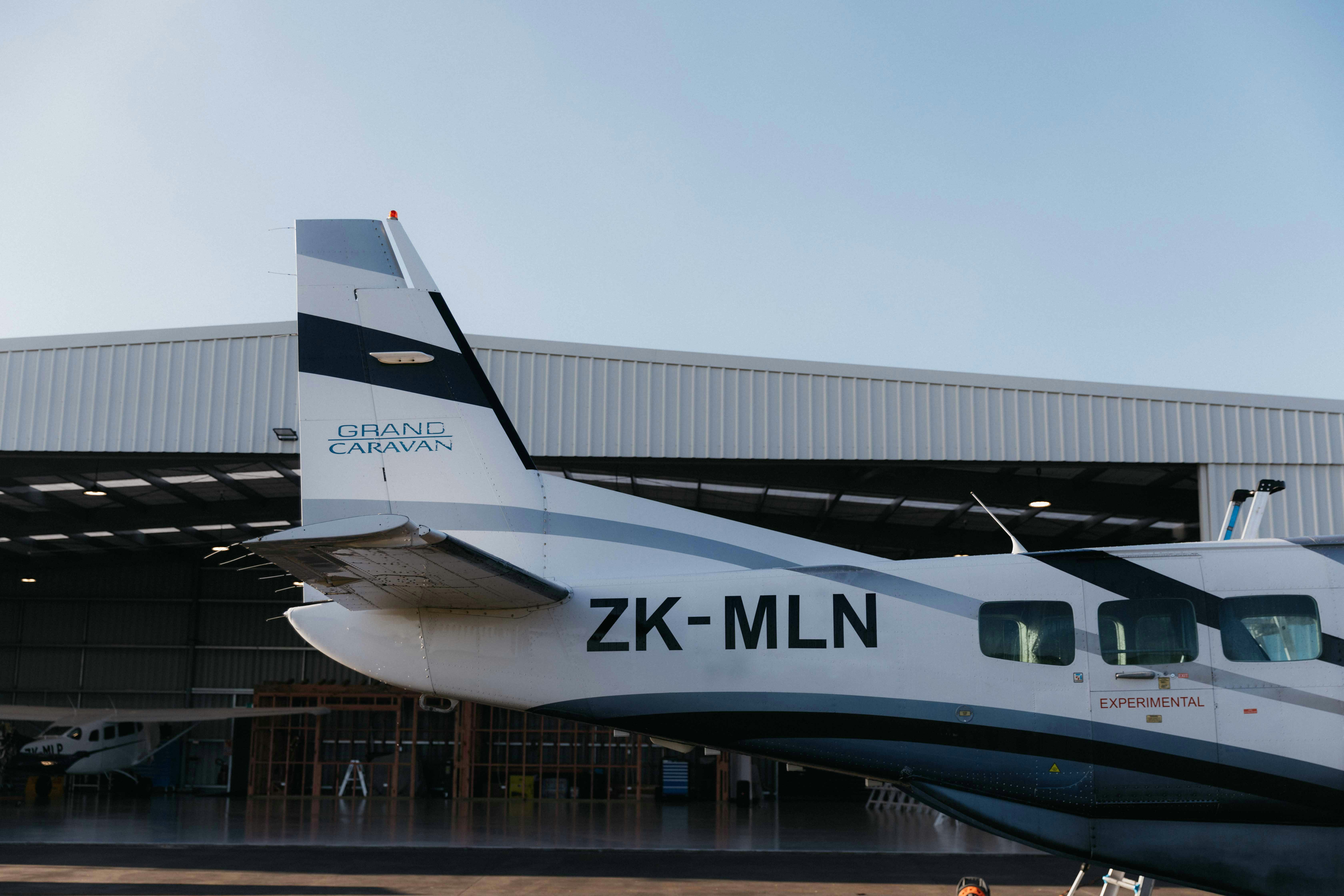
Aircraft Registrations: N208B, N713CB, and ZK-MLN
An Airframe That Keeps Development Close to Flight Testing
The Caravan‘s relatively low operating costs and suitability for short transport missions make it a practical development platform. It supports the cycle described in an earlier post: using flight-test data to evaluate software performance and guide subsequent updates.
“The Caravan lets us test frequently on an aircraft that’s already doing useful work around the world. When a software release is ready for flight testing, we can load it and fly a mission the same day, then bring that data back to the engineering team. Its flexibility gives us room to evaluate different capabilities and test routines on the same aircraft.”
— Pace Balster, Director of Product, Merlin
Within that broader Merlin test fleet mix, the Caravan brings the requirements of a versatile utility aircraft into development. Short transport missions and operations at less-developed airfields provide a different context for testing than the missions served by larger, multi-crew aircraft. That variety helps define which capabilities may be shared and which must be adapted to the aircraft and operation.
Merlin has tested the Caravan across Alaska, New Zealand, and New England. The 2023 Alaska campaign included 25 test flights from Fairbanks to Fort Yukon, Galena, Huslia, Tanana, and Prudhoe Bay, with a safety pilot aboard. The Alaskan flights logged over 60 hours of systems-on autonomous flight with Merlin Pilot in real-world environments with complex terrain and inclement weather.


Connecting Autonomy Software to the Aircraft
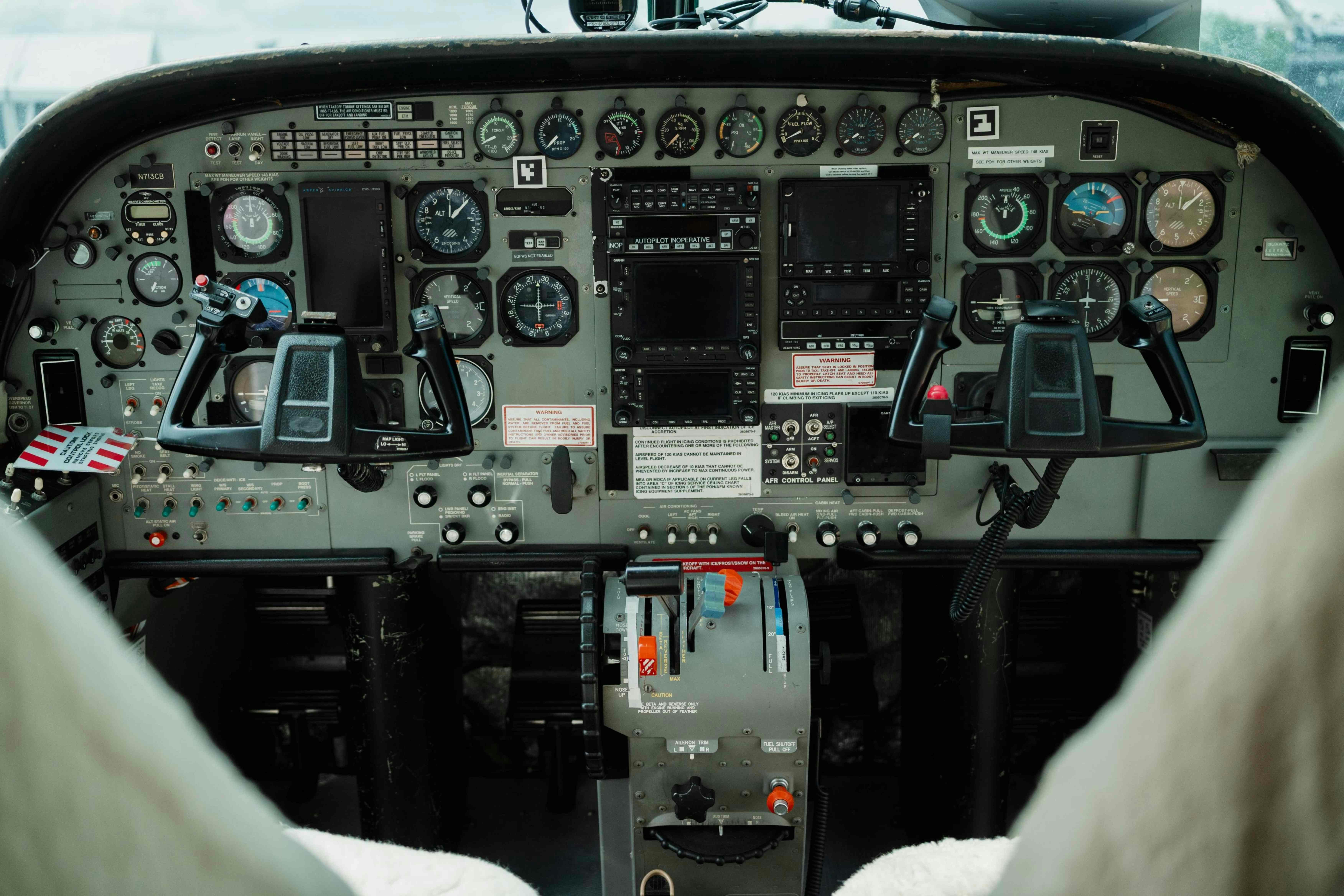
While the Caravan’s proven utility made it a strong starting point as a testbed, integrating Merlin Pilot onto that platform introduced data and control requirements beyond its original installation. Modern avionics had to work with existing equipment while delivering flight data and sensor inputs at the speed and accuracy the autonomy system required. Detailed measurements of the mechanical flight controls informed tuning to account for their response.
Flight testing evaluated how those elements worked together. The flight guidance and autothrottle systems manage trajectory and adjust engine thrust to maintain target airspeeds. Testing across takeoff, climb, cruise, approach, and landing included different gross-weight and center-of-gravity combinations to assess performance under varied loading conditions. The program also evaluated automated communications and pilot- and voice-directed course changes, extending the integration beyond aircraft control to the interfaces used to receive and act on instructions.
What the Caravan Taught the Team About Integrating Other Aircraft
“The Caravan reinforced how much we need to understand an aircraft before we can tune Merlin Pilot for it. We took extensive measurements of the flight controls and control surfaces to understand how they behaved. That work now shapes how we approach each new platform: characterize the aircraft first, then adapt the integration to what we’ve learned.”
— Patrick Van Wie, Director of Aircraft Engineering, Merlin
That understanding shaped a staged flight-test program, in which each phase used findings from the preceding work to inform the next. Measurements and observations from installation influenced the test plan; results in flight then guided refinements to the integration.
A public demonstration of the Caravan work came on July 17, 2026, when Merlin Pilot completed an autonomous landing at Oshkosh. Engineering Test Pilot Jonathan Oliver was aboard, monitoring the approach and landing.
The Caravan program also contributed experience in software verification and regulatory review. In August 2026, the Flight Control Computer and Automated Communication System achieved Stage of Involvement 3 with the Civil Aviation Authority of New Zealand; work that is hard and very few organizations in aviation have done.


A Shared Software Core, Informed by Each Airframe
Testing across a deliberately diverse set of aircraft brings different operational requirements into the development of Merlin Pilot. The Caravan contributes experience from utility transport and frequent flight testing; other aircraft introduce different systems, crew workflows, and mission demands.
The shared software core provides a foundation for addressing those differences. A modular approach also separates capabilities to be configured for the aircraft and its mission, with testing and evaluation appropriate to each integration. Flight autonomy and mission autonomy carry distinct responsibilities within that approach, from controlling the aircraft to supporting the pursuit of an operational objective.
The Caravan’s contribution includes both tested capabilities and methods for adapting them: characterizing flight controls, using measurements to guide integration, and building evidence through staged testing. Those lessons inform the work of supporting different operational needs through one autonomy platform.


Cautionary Statement Regarding Forward-Looking Statements
This post contains forward-looking statements within the meaning of the Private Securities Litigation Reform Act of 1995. All statements other than statements of historical fact should be considered forward-looking statements, including without limitation statements regarding: the development, performance, and capabilities of Merlin Pilot; our ability to adapt Merlin Pilot across different aircraft and mission profiles through a shared software core and modular approach; the extent to which testing on the Cessna Grand Caravan will inform our integration of Merlin Pilot onto other aircraft; the scope, timing, and anticipated outcomes of our flight testing, software verification, and regulatory review activities; and our ability to obtain regulatory approvals or certifications. These forward-looking statements are based on our current expectations, assumptions, and projections about future events and trends. These forward-looking statements are neither promises nor guarantees, but involve known and unknown risks and uncertainties that could cause actual results to differ materially from those expressed or implied by the forward-looking statements, including without limitation the risks and uncertainties detailed under the section entitled “Risk Factors” of our final prospectus, dated May 13, 2026, filed with the SEC on May 13, 2026, and our subsequently filed Quarterly Reports on Form 10-Q, which are available from the SEC. Except as required by applicable law, we undertake no obligation to update any of these forward-looking statements after the date of this post.