Disbanded in 1944. Recognized as Veterans in 1977. The Story of the WASP
UpdateNovember 11, 2026


They Towed Targets, Ferried Bombers, and Test-Flew Repaired Aircraft, All Without Military Status
In August 1943, two women’s flying programs merged to form the Women Air Force Service Pilots, or WASP. Jacqueline Cochran became director, while Nancy Harkness Love oversaw the women’s ferrying operations. More than 25,000 women applied for training; nearly 1,100 graduated. Their mission was straightforward: take on flying duties at home so male pilots could serve in combat overseas.


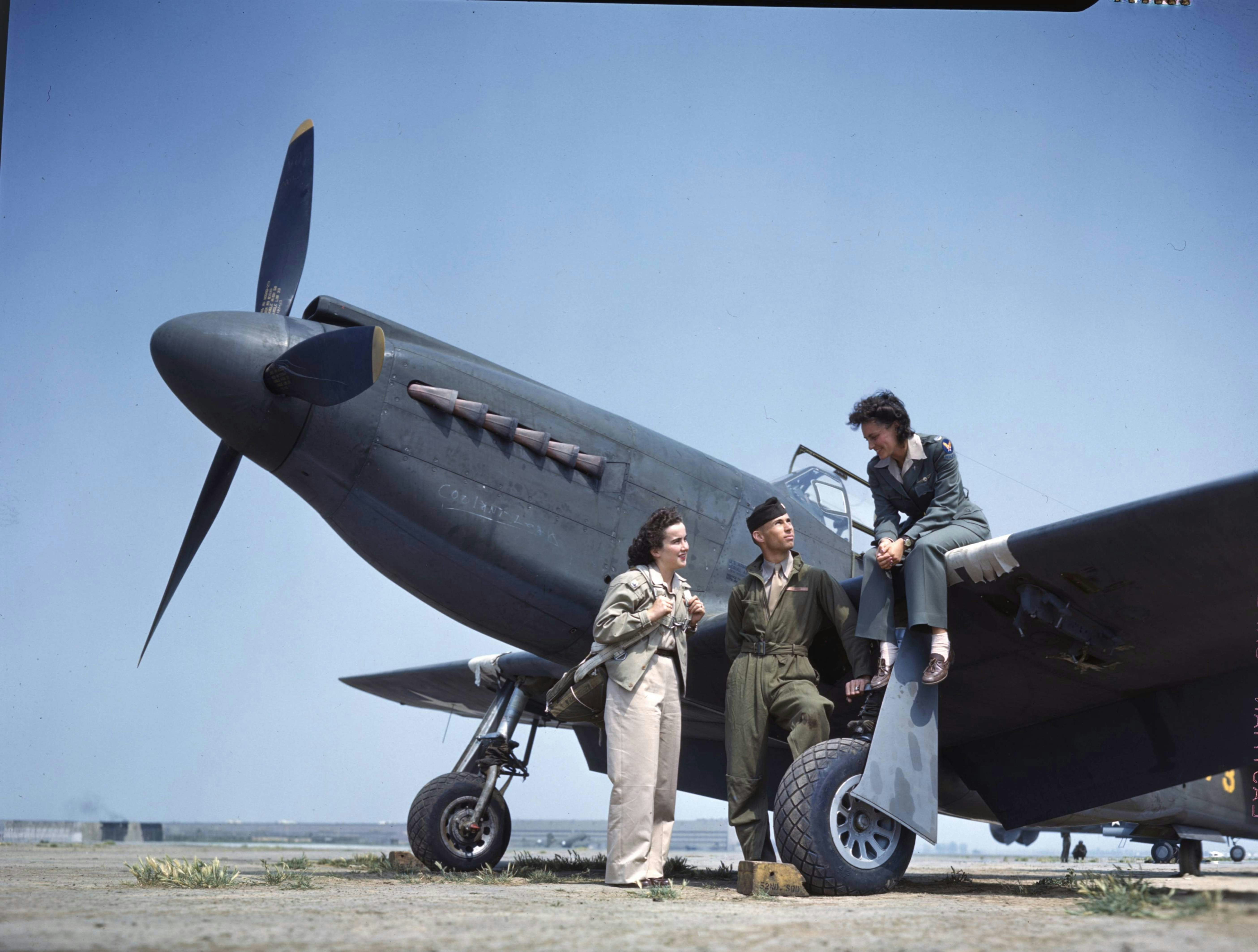
They ferried new aircraft from factories to bases, towed targets for live-fire gunnery practice, test-flew repaired aircraft, and instructed other pilots. Together, they flew more than 60 million miles in aircraft ranging from P-51 fighters to B-29 bombers. That service came at a cost, and 38 women lost their lives during training or on duty.


By late 1944, the wartime pilot shortage eased, and an effort in Congress to grant the women military status had fallen short. The program was disbanded on December 20, 1944, and because the WASP had served as civilians, they returned home without veterans’ benefits.
The push for change gained momentum three decades later in the 1970s. When the Air Force began training women pilots in 1976, contemporary reports heralded them as the first women to fly U.S. military aircraft, overlooking the WASP’s wartime service. Former WASP Bernice “Bee” Falk Haydu helped lead the campaign for veteran status, with support from Senator Barry Goldwater, who had flown with WASP in the Ferrying Command during World War II.


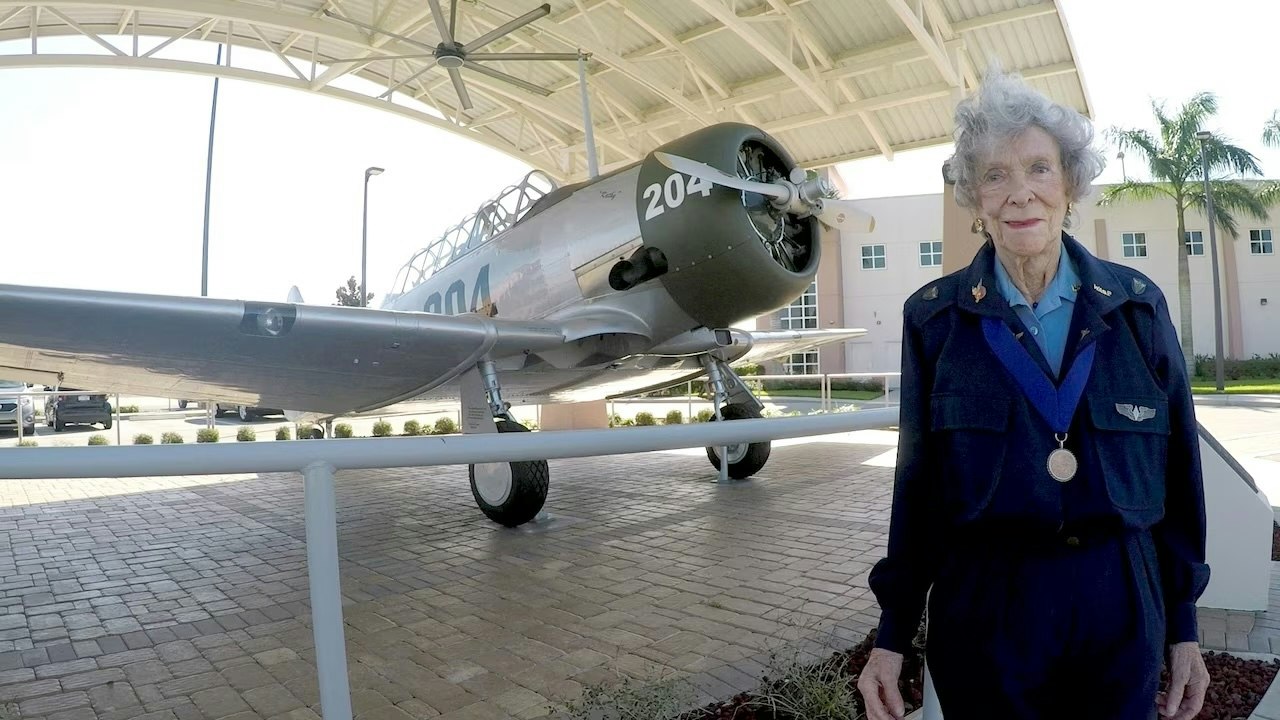
On November 23, 1977, President Jimmy Carter signed legislation granting the WASP veteran status. More than three decades later, in March 2010, more than 200 surviving WASP gathered at the U.S. Capitol to receive the Congressional Gold Medal, honoring their pioneering service and record of achievement.
This Veterans Day, we remember the WASP and every mission they flew in service to our country.