Why Merlin Is Called Merlin
UpdatesJuly 07, 2026


Tim Burns, CTO, Merlin
Most people hear the name Merlin and immediately think of the wizard.
Fair enough. A bearded chap in a robe is probably the more common association. He has the advantage of several centuries of PR, a sword-in-a-stone, and a rather permissive relationship with historical accuracy.
But that is not why Merlin is called Merlin. The name comes from one of the most consequential machines ever built: the Rolls-Royce Merlin engine. A compact, liquid-cooled V12 that helped change the course of the Second World War, powered some of the most important aircraft in history, and became a symbol of what happens when engineering excellence, industrial urgency, and operational need collide at exactly the right moment.
It was not magic, but better. It was engineering. That distinction matters, as magic asks people to believe. Engineering asks people to prove.
That is the spirit behind Merlin today.
A Name I Knew Before I Ever Joined the Company
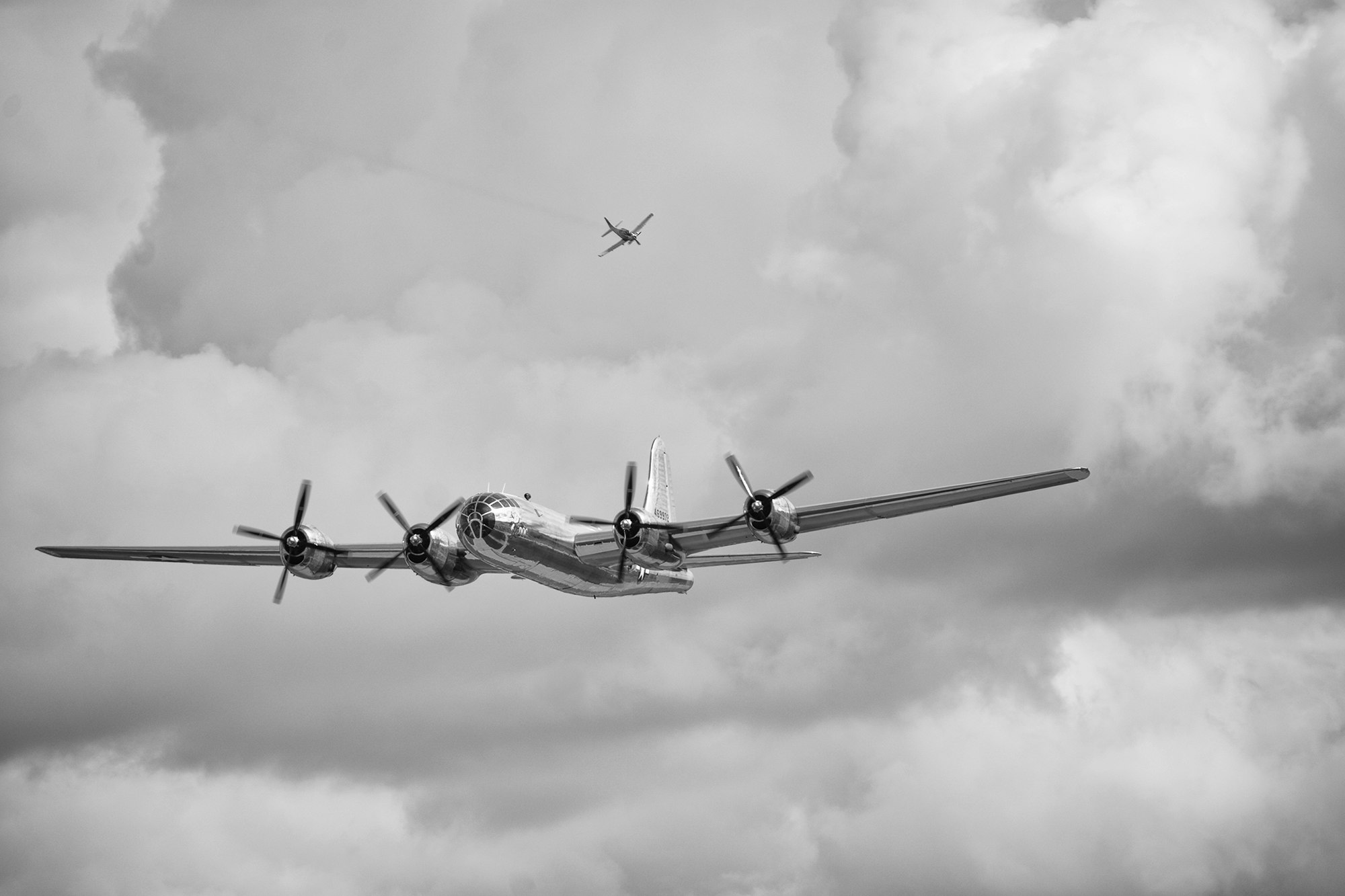
For me, Merlin is not just a name on a company badge or a clever aviation reference. It is personal. Early in my career, I had the privilege of working on a full restoration of a P-51 Mustang called Oklahoma Miss. There are aircraft you admire from a distance, and then there are aircraft that get into your bones. A Mustang does the latter.
At the center of it, physically and emotionally, is the Merlin.
The first time you are close to a Merlin engine coming to life, you do not forget it. There is a cough, a blade or two, smoke, vibration, and then that unmistakable sound: mechanical violence refined into music. That engine mattered to me long before I ever imagined working at a company called Merlin.
I also had the privilege of supporting the Miss America P-51 racing team and was lucky enough to get a ride in the aircraft. Flying in a Merlin-powered Mustang was one of those rare moments when the boyhood dream and the adult reality briefly occupy the same seat.
The Merlin changed what the Mustang could become. It gave the aircraft altitude performance, power, and mission relevance that turned it from a very good airplane into a strategic instrument.
When people talk about game-changing innovation, this is what they should mean. Not a slogan. Not a slide. A real change in what is possible.
Urgency Has a Way of Clarifying Things
There is another part of the Mustang story that has always stayed with me: the speed.
The prototype NA-73X was completed in just over 100 days after contract signing and first flew on October 26, 1940. Not because speed is always good. Aviation is littered with examples of speed without discipline. But the Mustang story shows what can happen when necessity creates focus. The requirement was real. The threat was real. The customer need was not a spreadsheet abstraction.
The war did not make the Mustang successful because everyone simply moved fast and hoped for the best. It succeeded because talented people moved quickly against a clear operational need, made hard tradeoffs, used existing technology intelligently, tested aggressively, and kept improving the product once it reached the field.
That lesson matters to Merlin. Move quickly because the mission matters. Move carefully because aviation is unforgiving. Move with urgency because delay has a cost. Move with discipline because trust has to be earned.
The Engine That Made Good Aircraft Great
The Merlin engine did not win the war by itself. Nothing serious is ever that simple. But it made aircraft more useful, more adaptable, and more decisive than they would otherwise have been. It turned good platforms into strategically important ones.
That is what true enabling technology does. It does not merely improve a metric. It changes the mission.
At Merlin, our “engine” is not a V12. It is our autonomy stack. It is the software, sensing, flight controls, human-machine interface, assurance framework, and certification discipline that are designed to enable an aircraft to operate with increasing levels of autonomy while remaining safe.
Artificial airmanship is our equivalent of altitude performance. It is not a party trick. It is the ability to perceive, decide, communicate, and operate with the judgement expected of a good pilot, especially when conditions are not ideal.
From Horsepower to Judgement
The Rolls-Royce Merlin gave aircraft more power, more altitude, more range of usefulness, and more tactical flexibility.
Merlin’s mission today is different in technology, but similar in spirit. We are trying to build the next layer of aviation capability: artificial airmanship. We are working to build a system that can aviate, navigate, communicate, and operate with disciplined judgement - for the purpose of reducing workload, extending mission capacity, improving safety, and eventually enabling aircraft to perform useful missions with much higher levels of autonomy.
Building artificial airmanship is not about making an aircraft look clever in a demo. It is about building systems that can earn trust the hard way: through evidence, testing, operational exposure, certification discipline, and humility in the face of edge cases.
Why the Name Still Fits
So when someone asks why we are called Merlin, the answer is not “because of the wizard.”
The answer is that Merlin is named after one of the great enabling technologies in aviation history.
The Rolls-Royce Merlin engine helped convert aircraft into instruments of strategic consequence. It combined invention with iteration, performance with production, and engineering excellence with operational urgency. That is the lineage we are trying to honor. The original Merlin helped aircraft fly higher, farther, and more effectively.
Our Merlin is being built to help aircraft think, decide, communicate, and operate more effectively. Not magic. Engineering. Which, when done properly, is better.
The views expressed in this post reflect the personal perspectives of Tim Burns, Merlin's Chief Technology Officer, and contain forward-looking statements within the meaning of the Private Securities Litigation Reform Act of 1995; actual results may differ materially from those anticipated, and readers are cautioned not to place undue reliance on such statements, which speak only as of the date of this post and are subject to the risks and uncertainties described under "Risk Factors" in our filings with the Securities and Exchange Commission, including our Prospectus dated May 13, 2026 and our Quarterly Report on Form 10-Q filed May 15, 2026.