Eyes Over Open Water: How Autonomy Is Extending Time at Sea
UpdatesSeptember 04, 2026


The Farther the Work Moves from Shore, the More Time Becomes the Mission
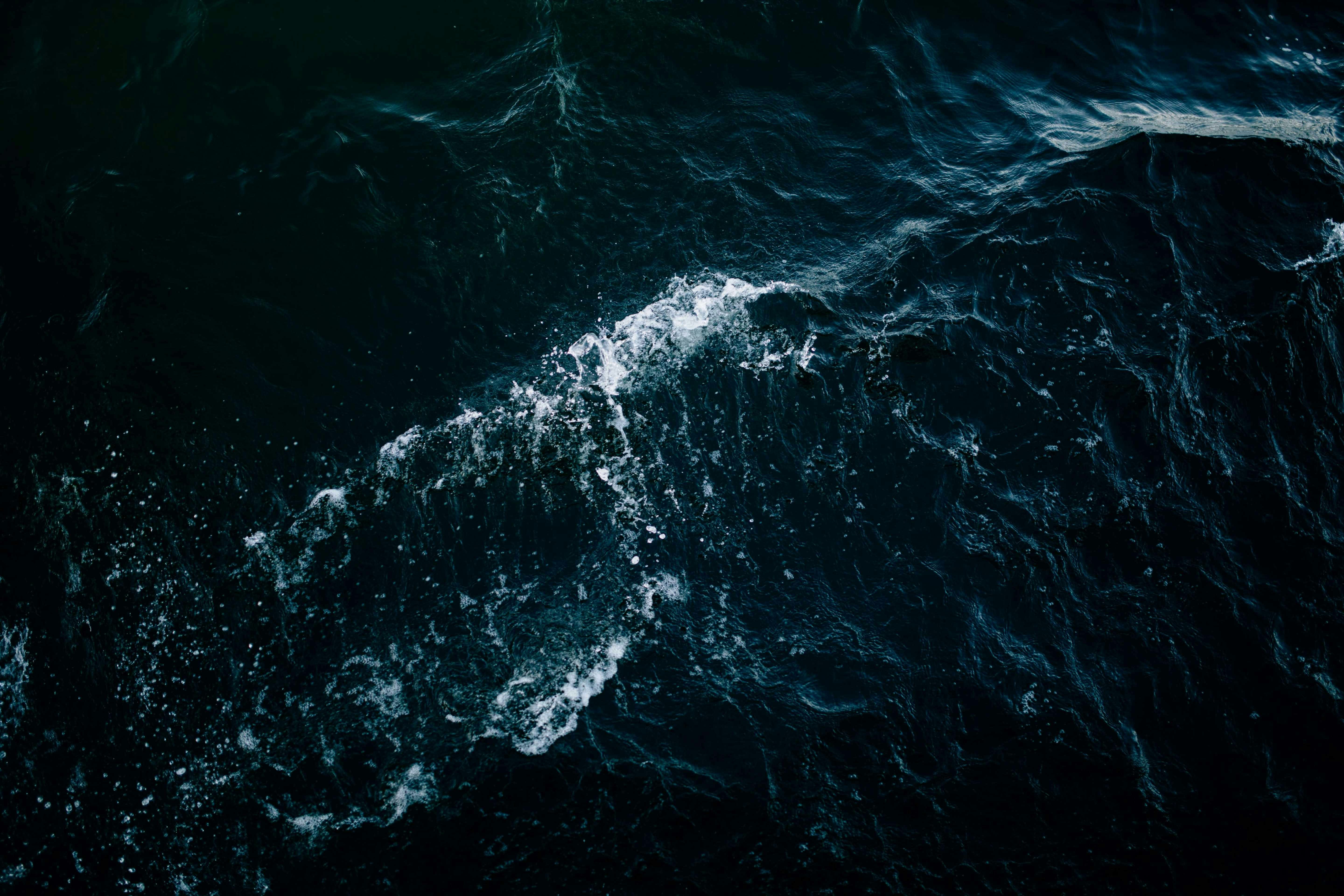
Work over open water begins with a distance penalty. Time spent reaching a search area or offshore site reduces the time available there, and changing conditions can narrow that window further. Endurance is less about specification for any one vehicle, and more of a property of the wider system that can determine how much water can be searched, how long an area can be monitored, and how often remote infrastructure can be inspected.
A growing set of technologies is changing that calculation. Some are already operating at sea. Others remain in trials or simulation. The systems emerging around these missions range from remotely operated vehicles to onboard autonomy that can reduce workload inside a crewed aircraft. Their approaches differ, but each treats persistence as a problem that can be shared across aircraft, vessels, sensors, communications links, and software.
Extending the View from the Water
During the Operational Demonstration Coquí, the U.S. Coast Guard Research and Development Center deployed uncrewed systems across the 3,200-square-mile Mona Passage between Puerto Rico and the Dominican Republic. Over the monthlong demonstration, cameras and other sensors transmitted information to Coast Guard and Customs and Border Protection command centers.
The project, which received a Federal Laboratory Consortium technology-transfer award in 2025, demonstrated persistence at the system level. Surface vessels, aircraft, communications links, and command centers formed a shared sensing network designed to build a wider picture across the passage.
Europe has been building a similar layer of coverage for several years. The European Maritime Safety Agency provides remotely piloted aircraft services to authorities responsible for coast guard functions. The aircraft carry combinations of radar, optical and infrared cameras, vessel-identification receivers, pollution sensors, and distress-beacon receivers. EMSA describes these services as part of a broader surveillance chain that also includes satellites, vessel-position data, ships, and crewed patrol aircraft.
Bringing an Offshore Inspection to Shore
Offshore infrastructure creates a different endurance problem. The work may take place at a single platform or turbine, but reaching it requires coordinating people, equipment, transport, weather, and safe access.
At Aker BP’s Edvard Grieg platform in the North Sea, Aker Solutions installed a drone, docking station, and supporting infrastructure for remote inspection. In 2025, an inspection engineer piloted the aircraft beyond visual line of sight from an onshore control center in Stavanger. The system collected high-resolution imagery from consistent positions, creating data that can be compared over time for signs of wear and corrosion. Aker Solutions estimates that the approach could reduce inspection costs by as much as 70% and deliver results within hours rather than days required for manual drone operations.
At Denmark’s Rødsand 2 wind farm, AQUADA-GO demonstrated another part of that model, capturing visual evidence of blade damage while the blades continued rotating. The broader project combines imagery, thermography, and a computer-vision model developed by the Technical University of Denmark to identify surface abnormalities and indications of subsurface damage. Conducting inspections during operation could reduce the need to coordinate inspection flights with production shutdowns.
Endurance After the Battery Runs Down
A 2025 cooperative search-and-rescue study modeled a maritime search in which aerial drones covered a wide area while uncrewed surface vessels conducted closer searches and served as mobile charging stations. A reinforcement-learning system coordinated routes and charging as vehicle positions and battery levels changed.
The system has been tested in simulation, not during an operational rescue. Its significance lies in treating endurance as a shared resource. In the model, a drone can leave the search pattern for charging while other vehicles continue the wider search. Persistence comes from coordination across the network rather than the flight time of any single vehicle.
Endurance as a System
These projects gain time in different ways: distributing sensors across several platforms, controlling an offshore asset from short, and coordinating mobile charging. Together, they show endurance becoming a property of the wider system. Aircraft, surface vessels, docking stations, communications networks, and analysis software can carry observation across the interruptions that once defined a mission.
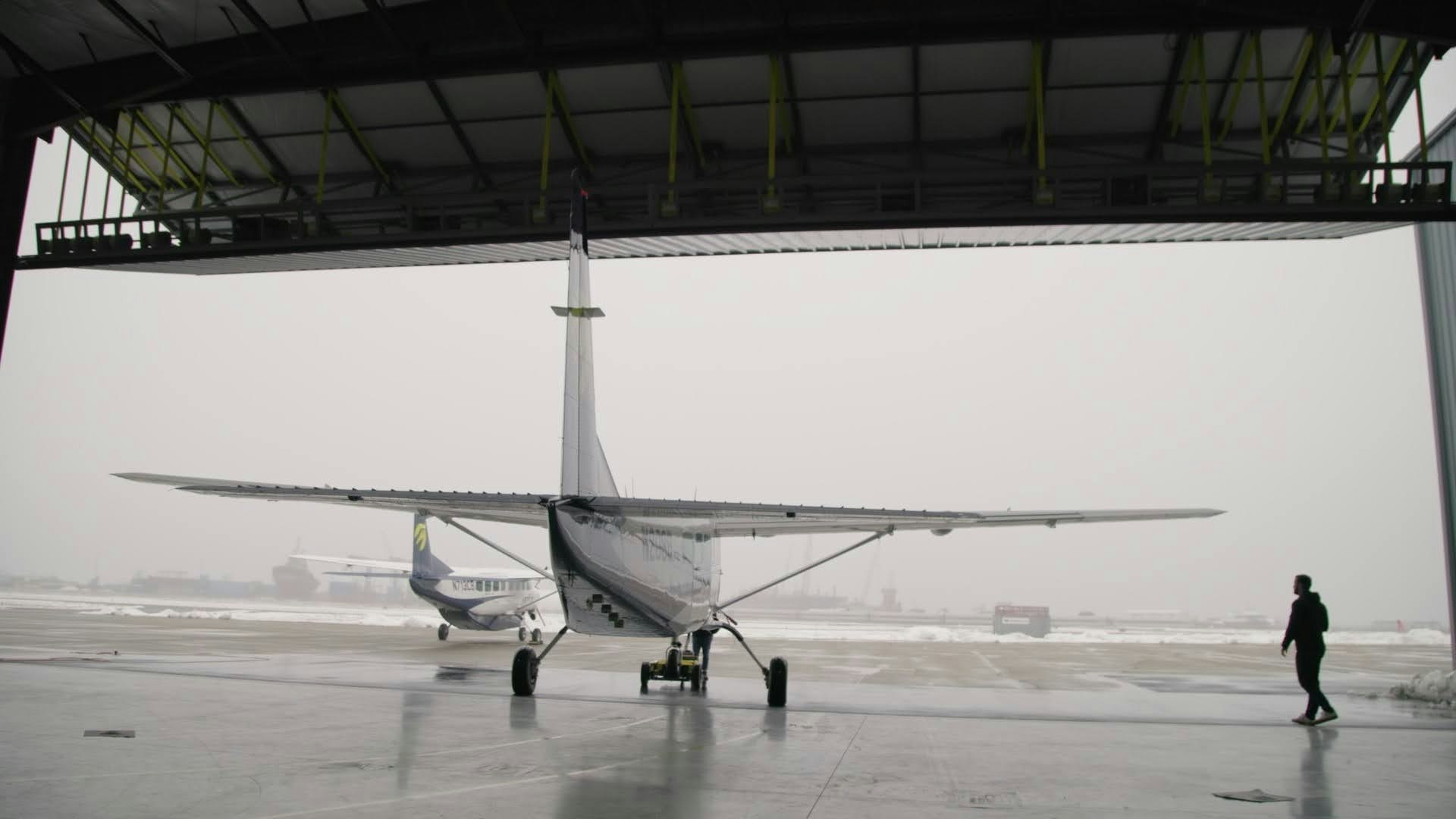
Across these different approaches, the underlying principle is the same, autonomy can extend what an operation accomplishes without proportionally increasing crew workload or time on task. Merlin Pilot applies that principle onboard, working alongside pilots in real time to extend crew capabilities and scale operations beyond the limits of the traditional model.
Open water will continue to impose real limits through weather, distance, communications, and fuel. What is changing is how effectively an operation can work within those limits, sustaining search, surveillance, and inspection farther from shore and for longer.
Cautionary Statement Regarding Forward-Looking Statements
This post contains forward-looking statements within the meaning of the Private Securities Litigation Reform Act of 1995; actual results may differ materially from those anticipated, and readers are cautioned not to place undue reliance on such statements, which speak only as of the date of this post and are subject to the risks and uncertainties described under "Risk Factors" in our filings with the Securities and Exchange Commission, including our Prospectus dated May 13, 2026, filed with the SEC on May 13, 2026, and our subsequently filed Quarterly Reports on Form 10-Q, which are available from the SEC. Except as required by applicable law, we undertake no obligation to update any of these forward-looking statements after the date of this post.