The Payload Changes, the Pattern Remains
UpdateNovember 02, 2026


Different Aerial Missions Can Share a Familiar Operating Pattern, Even When the Material, Conditions, and Intended Outcomes Change
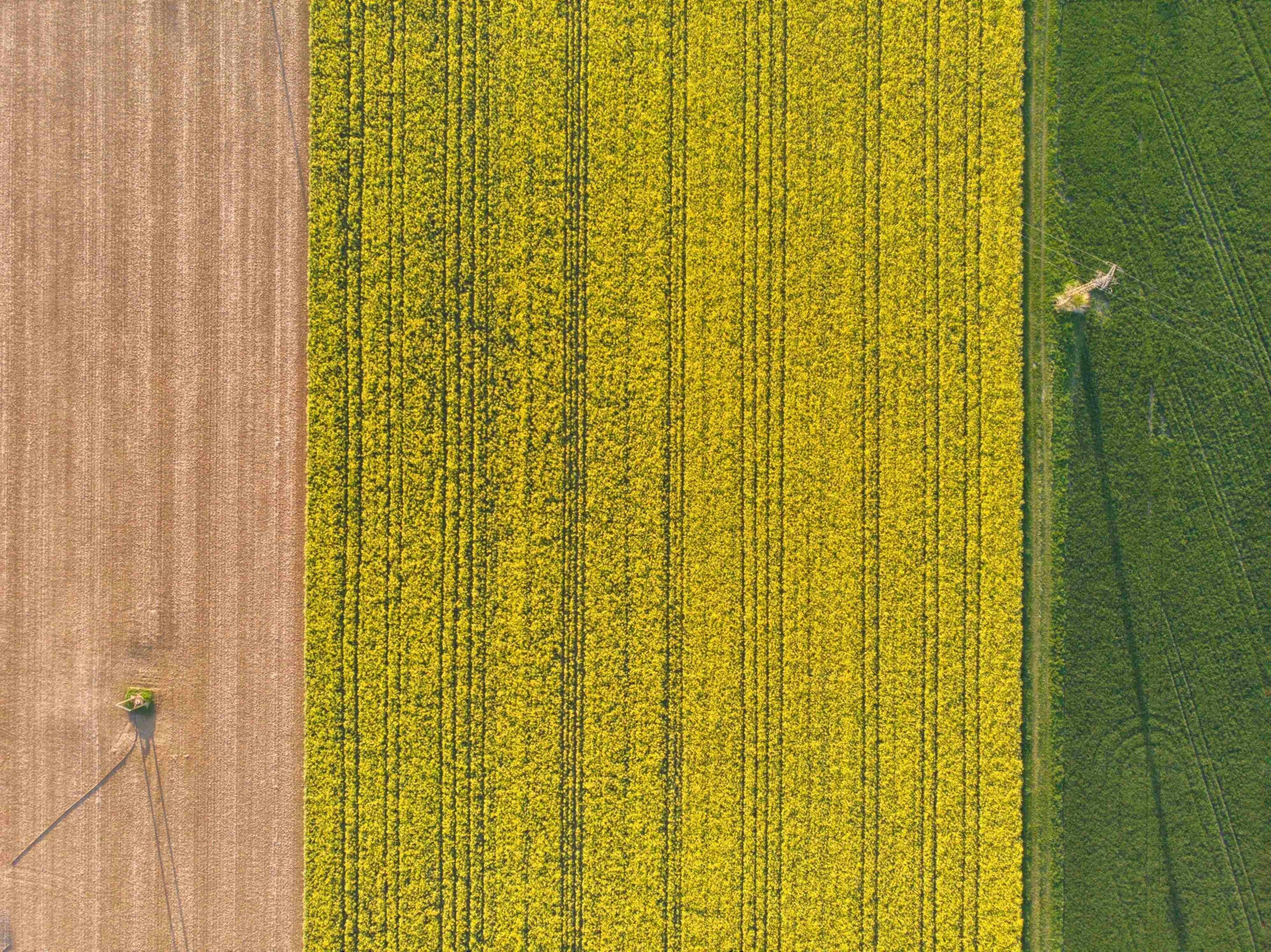
Aircraft have been used for aerial application for more than a century. One of the first widely recognized American crop-dusting experiments took place in 1921, when a modified aircraft released insecticide over an Ohio grove. The equipment was rudimentary, but the operating pattern remains familiar: define an area, fly a series of passes, and distribute material across it. The FAA’s account of the experiment describes work completed in minutes that would have taken ground crews days.
Crop treatment, mosquito control, and aerial seeding apply that pattern to different problems. One protects plants, another supports public-health efforts, and the third can help restore vegetation across damaged or inaccessible terrain. What the aircraft carries changes, as do the rules and expertise surrounding the mission. In each case, however, useful coverage depends on coordinating the route with the material being released.
What Repeats and What Changes
The route is repeatable, but the conditions rarely are. Wind, visibility, terrain, and load weight may all require adjustments, some to the flight itself and others to the equipment controlling when and how much material is released.
Technology has gradually connected those two sides. GPS guidance helps pilots follow neighboring passes and reduce gaps, while digital maps identify treatment boundaries and areas that should be avoided. Flow controllers adjust output as aircraft speed changes.
Crop treatment decisions turn on field conditions and mosquito control may depend on the insect's life stage and time of day. The Centers for Disease Control and Prevention notes that adulticide applications generally occur when mosquitoes are active and pollinating insects are not. Aerial seeding distributes material across terrain that ground equipment cannot access or may be too vast to do so efficiently, but the spacing of passes and dispensing equipment controls where seeds land, not whether they'll establish.
The flight can be completed as planned without settling whether the mission achieved its intended result. Crops must still be observed, mosquito populations measured, and seeded areas monitored over time.
More Than an Aircraft Route
Evolving aerial application has meant more than just improving the aircraft. Early systems recorded the aircraft's path and flow rate, allowing project managers to review coverage during the operation and preserve records for later analysis. A Forest Service account of differential GPS testing describes how those capabilities were evaluated for aerial application.
Systems have since built on that relationship through prescription maps, variable-rate application, and remote sensing. A USDA Agricultural Research Service summary reports that integrating GPS-GIS guidance with aircraft delivery systems improved spray coverage and reduced off-target pesticide movement.
These technologies automate parts of a larger process: mapping software defines routes, flow controllers adjust output, sensors report changing conditions. But decisions about boundaries, target rates, and response rules remain human choice tied to the mission and material.
Those decisions also sit within several layers of oversight. The EPA regulates pesticide products and their labels, while states may establish additional requirements for their use. Local agencies and mosquito-control districts determine when public-health treatments are warranted. Land managers decide whether aerial seeding suits a particular landscape. The FAA regulates agricultural aircraft operations under Part 137, including operator certification, operating practices, and recordkeeping.
Automation does not remove those distinctions. It can help the people and systems involved maintain a common understanding of the plan, the conditions, and what has already occurred.
The Aircraft at the Center of the Operation
This distinction, between automating the flight and managing the application, applies across aviation more broadly. How can an aircraft execute a planned operation while adapting to real-time conditions? That question applies whether the payload is passengers, cargo, or crop treatment.
Merlin develops technology for automating how fixed-wing aircraft fly and communicate. The aircraft must remain within its operating flight envelope, respond to its environment, and communicate when required. The payload equipment and the people responsible for the mission simultaneously manage a different set of requirements.
A century of aerial application shows that progress has not come from simplifying the path alone. It has also come from connecting position to coverage, release rate to conditions, and completed work people could evaluate. That progression suggests a more useful standard for automation: repetition creates an opportunity, but adaptability determines whether the systems remain useful when reality begins to differ from the map.