Four Decades of Flight Test, One New Frontier: Meet Al Lawless
UpdatesAugust 20, 2026


Merlin's Vice President of Flight Test and Operations on the evolution of flight test, the standard pilots set, and passing knowledge forward
Few disciplines demand more patience, precision, and curiosity than flight testing, and Al Lawless has spent his career practicing all three. As Merlin's Vice President of Flight Test and Operations, he brings that craft to autonomy. We sat down with Al to talk about what drew him here, how the discipline has changed over four decades, and what it takes to build autonomy aviators trust and embrace.


What brought you to Merlin, and what drew you to autonomy in aviation?
Three things converged to bring me to Merlin. First was an enthusiastic boss who shares my approach to engineering and mentoring; I’ve learned that this kind of match is key to satisfaction in my role. Second was the chance to extend my experience beyond the traditionally piloted aircraft I’d spent my career flying and testing. And third was the rare opportunity to practice my profession while living in New England.
Tell us about your role, what does your day-to-day look like?
My team is skilled and professional enough that I can delegate decisions down to the working level. They get it done and call on me when they need help or VP-level decisions. That frees me up for strategic planning, perfecting processes, integrating flow, and handling the pop-up challenges that arrive. My days are about reducing barriers and absorbing the unexpected so my team can hold a steady rhythm as they cycle through their testing.
In your view, what makes Merlin’s approach to autonomy unique and meaningful in the broader aviation ecosystem?
The Merlin magic lies in developing dependable run-time assurance (RTA). Just as pilots keep watch over their autopilots, RTA is being designed to maintain an independent watch over automation and autonomous decisions, constraining behaviors while keeping the system operating safely. This is easier said than done, pilots sense and react to far more than they’re given credit for, and that’s the standard our sensors and algorithms have to honor. Building toward that level of dependability is what makes Merlin’s approach viable.
How does working on real-world aircraft and flight-test programs influence your perspective on autonomy?
Outside professional flying, my experience with flying clubs, associations, and recreational pilots convinces me that there’s real enthusiasm across the general aviation community for technology that enhances safety. Our autonomy is aimed at making aviation safer, and general aviation is a community that could benefit enormously.
What are you most excited about for your next chapter at Merlin?
Helping build Merlin into an autonomy powerhouse that aviators across the spectrum trust and embrace as their own.
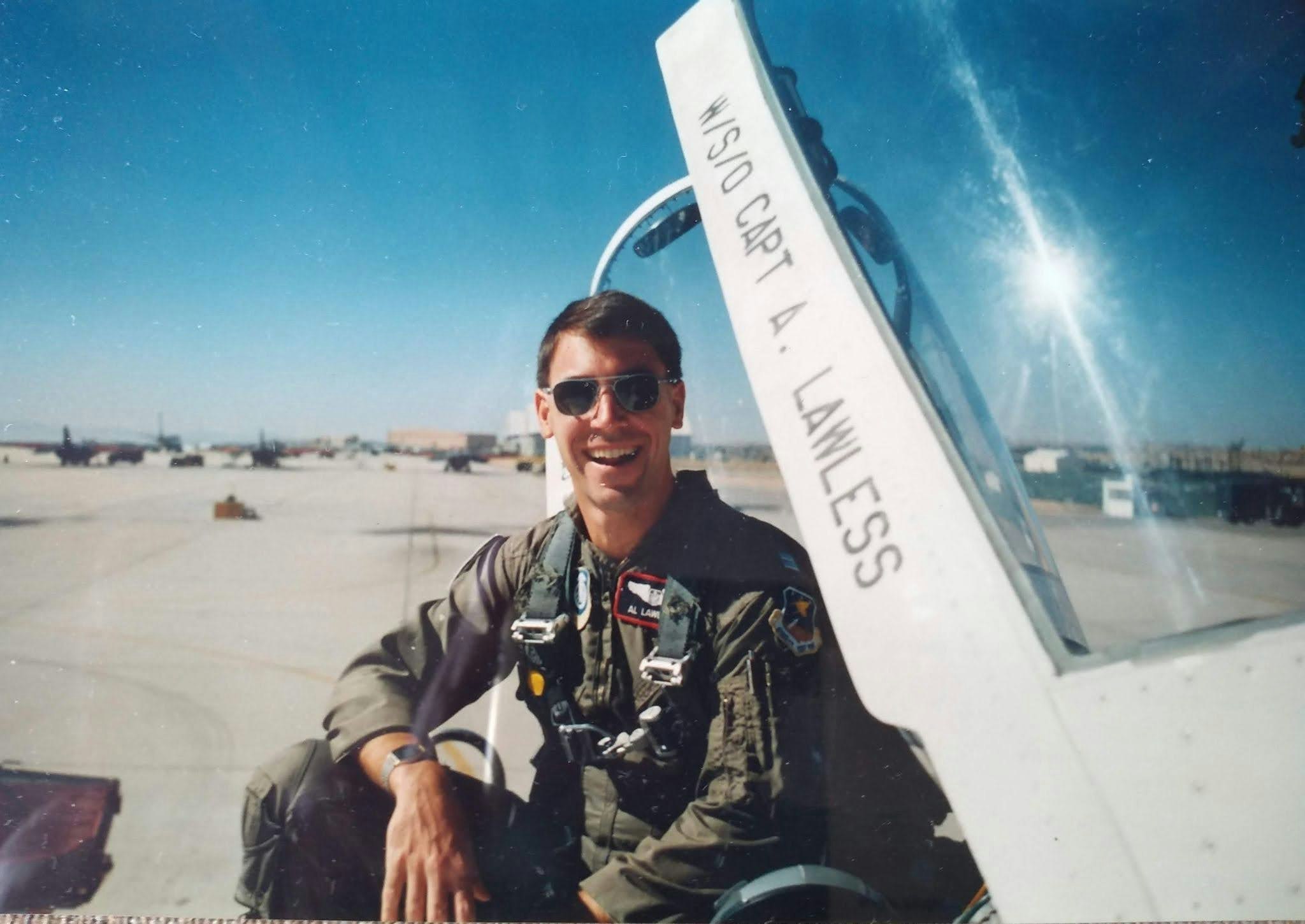
You've been flight testing since 1984, across everything from helicopters and bombers to business jets. How has the discipline evolved over four decades, and what's stayed constant?
While aerodynamics and physics haven’t changed, our profession has seen a staggering increase in electronics and computing capacity. This has been a double-edged sword for flight testers. On one side, decades of unreliable instrumentation are behind us. We no longer need huge magnetic tape data recorders that take weeks to process; we can now get data quickly, in whatever format we need. We are far more efficient and effective than generations ago. On the other side, improved sensors and computer power threw off the shackles of traditional capabilities. Countless clever engineers have since been inventing an explosive number of new capabilities – all of which require far more ground and flight testing than old school aircraft. In my experience, electronic systems testing once consumed about 5% of flying time; that’s flipped to something like 80%. Artificial intelligence and autonomy extend that trend even further.


Between teaching and your writing for the flight test community, you've spent much of your career sharing knowledge. What draws you to that?
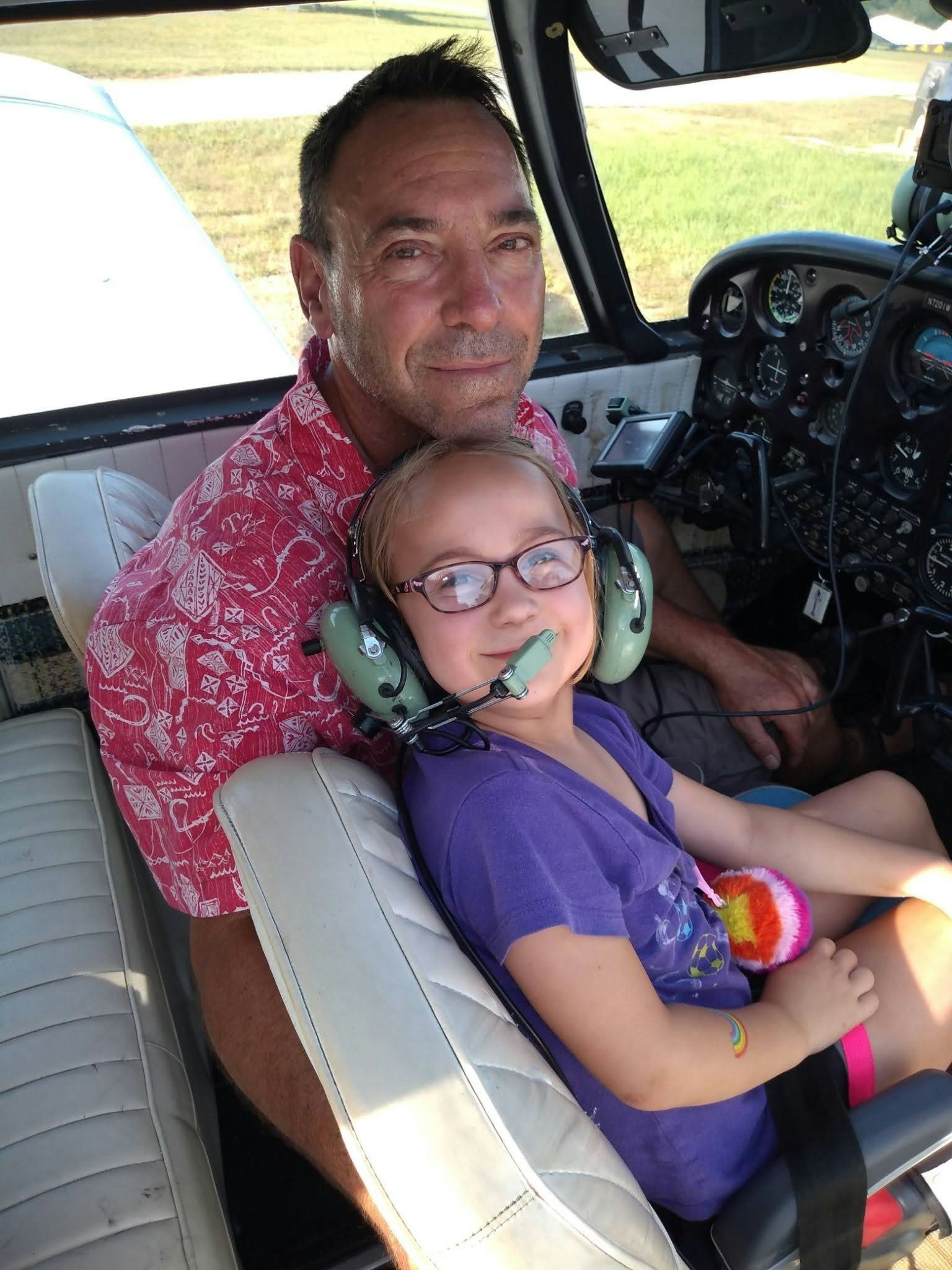
Having not always been the quickest study in the room, I often had to travel multiple paths to understand what seemed to come easily to others. Over the years, I learned that while that route isn’t fast, it often yields a deeper understanding I can pass on in ways that work for everyone. Progress relies on standing on the shoulders of the giants before us, and I am drawn to helping others up to those shoulders.


Cautionary Statement Regarding Forward-Looking Statements
The views expressed in this post reflect the personal perspectives of Al Lawless, Merlin's Vice President of Flight Test and Operations, and contain forward-looking statements within the meaning of the Private Securities Litigation Reform Act of 1995; actual results may differ materially from those anticipated, and readers are cautioned not to place undue reliance on such statements, which speak only as of the date of this post and are subject to the risks and uncertainties described under "Risk Factors" in our filings with the Securities and Exchange Commission, including our Prospectus dated May 13, 2026, filed with the SEC on May 13, 2026, and our subsequently filed Quarterly Reports on Form 10-Q, which are available from the SEC. Except as required by applicable law, we undertake no obligation to update any of these forward-looking statements after the date of this press release.
Related