One Brain, Any Aircraft
UpdatesSeptember 24, 2026


Mapping our news and progress back to Merlin’s core mission and capabilities.
Since our public listing in March, Merlin has continued to evolve its business, and the volume of our announcements and commentary has expanded accordingly. Stakeholders newer to Merlin, including investors, however, often discover the company one article, press release, blog or analyst initiation at a time. This update takes a step back to connect the dots, especially because so much of our 2026 news is technical and regulatory in nature.
What We Are Building
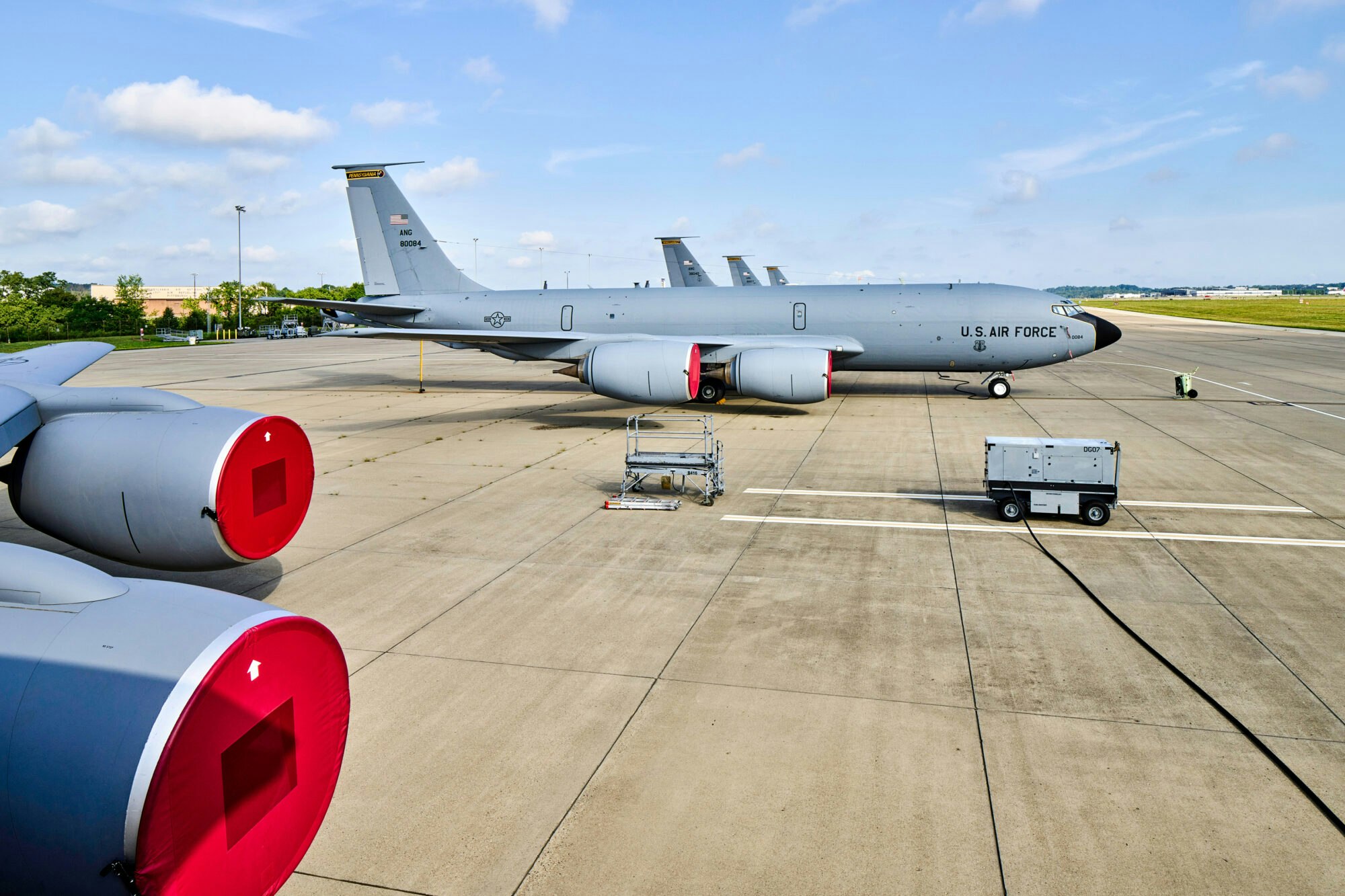
Merlin is working to build the certified software layer that lets AI fly aircraft, including large airframes that are already flying and carrying crew, from takeoff to touchdown, across civil and military categories alike. In other words, our DNA as a business is to look at, and build for, autonomous aviation very broadly vs. from the point of view of a specific aircraft, class of aircraft, or use case.
We believe this sets us apart as a business and also as a product developer. Fundamentally we see ourselves as AI software aviation engineers developing a portable software core that can be integrated into existing airframes relatively easily. This means that at Merlin, we’re building a software system that has to work in the actual world, on aircraft somebody else built, under conditions nobody chose in advance, that we need to prove is safe under regulatory scrutiny. Aviation is among the most complex and demanding of physical AI goals, and that’s reflected in our steady stream of technical and certification news.
Civil and Military at the Same Time
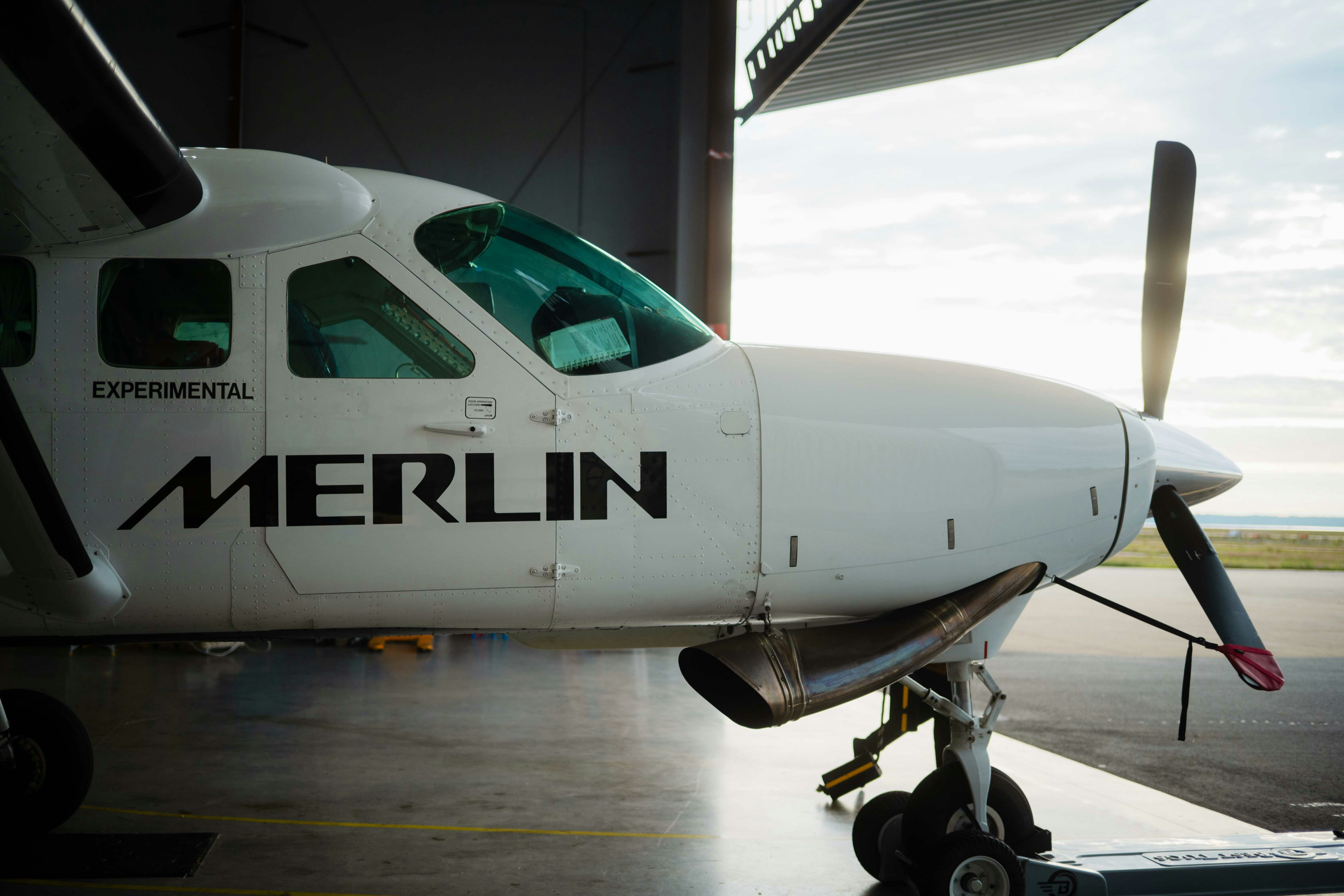
Our autonomy core is moving through a military airworthiness process on the C-130J and we’re maturing our civil certification readiness at the same time - as noted in the May 14 commercial cargo announcement. We believe that combination helps set Merlin apart in aviation autonomy. Our Cessna Caravan program in New Zealand helped us do something very few organizations in aviation have done - establish a certification basis - and took a machine learning flight system through Stage of Involvement 3 (“SOI 3”) with the national regulator. Our C-130 efforts are governed by military airworthiness expectations set by the government customer; and the commercial cargo work described in our MOU with Israel Aerospace Industries would sit under Part 25 (1), an additional standard.
What each of those pathways produces matters and we believe will compound to the benefit of the product and the business: tested evidence, working relationships under regulatory and/or customer oversight, and irreplaceable, proprietary experience that doesn’t have to start from scratch as we expand our capabilities.
(1) Part 25 is the airworthiness rule set covering transport-category airplanes, which is where large commercial aircraft including freighters sit. Our July 23, 2026 announcement with Israel Aerospace Industries describes the framework as covering Part 25 freight aircraft.
Capabilities and Resources That We Are Consolidating
Over the past three-plus years, Merlin has made significant progress blazing a trail for a certified autonomous software layer for flight - generally by bringing our AI system and airframe integration to a national regulator and in so doing building a framework for future company progress in that space (2).
It’s worth revisiting some of the highlights of our pre-listing work in order to appreciate how far we’ve come, e.g., achieving the first Stage of Involvement (“SOI 1”) with the Civil Aviation Authority of New Zealand in May 2023 and the second in October 2025. The FAA issued a Technical Standard Order authorization for our custom Remote Data Concentrator, developed with Shadin Avionics, in March 2025. In September 2025 we announced an effort with GE Aerospace to combine their Flight Management System expertise with our autonomy software. GE Aerospace’s published flight management system footprint covers more than 14,000 aircraft worldwide.
Since listing on Nasdaq earlier this year, we’ve accelerated, both in terms of building out our business and in terms of our technical and certification development:
April 23, 2026. Exclusive teaming agreement with Remah International Group to scope autonomy opportunities in the UAE.
April 29, 2026. $80 million PIPE investment from an existing institutional shareholder.
May 14, 2026. Introduced Condor, our first product family, bringing Merlin Pilot to large multi-crew aircraft for civil and defense missions, and unveiled plans for AI-powered autonomy for commercial cargo aircraft alongside World Star Aviation.
June 4, 2026. Completed Critical Design Review for the C-130J autonomy program with U.S. Special Operations Command, laying the groundwork for advancing that program from design development into aircraft integration.
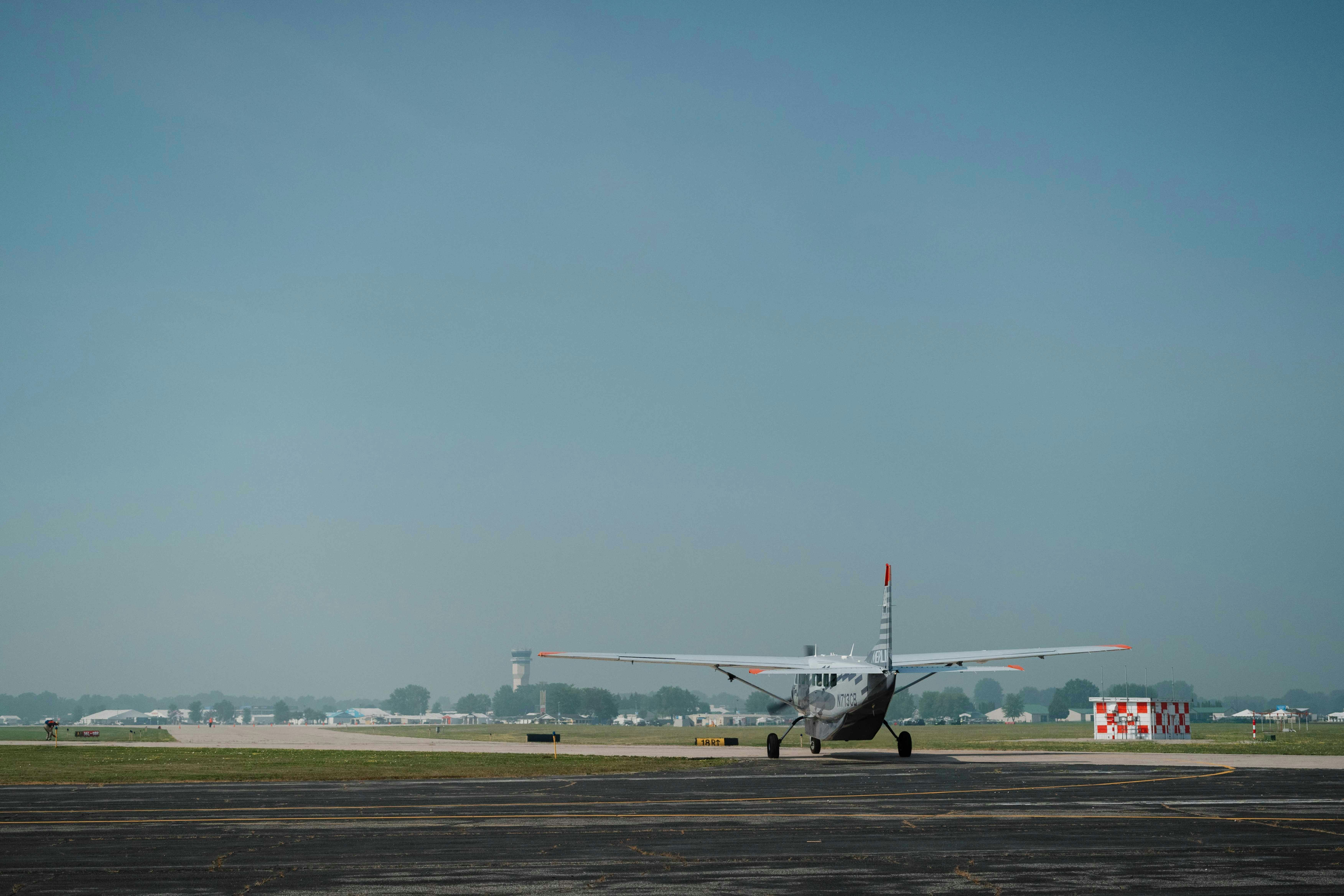
July 20, 2026. Completed an autonomous landing at EAA AirVenture Oshkosh.
July 23, 2026. Signed a memorandum of understanding with Israel Aerospace Industries covering AI-powered autonomy for Part 25 freighter operations.
August 6, 2026. Announced achievement of SOI 3 in New Zealand.
August 26, 2026. Designated a Part 146 Aircraft Design Organization in New Zealand.
September 9, 2026. Announced plans to pursue a civil certification strategy for large aircraft
September 10, 2026. Demonstrated autonomous flight capabilities at Texas DOT eIPP event.
If you see these events one at a time, it’s harder to appreciate what we’re achieving and how we are organizing our business. But read together, our milestones highlight how the Merlin Pilot system can hit certification thresholds in front of federal regulators, move onto more airframes, and generate the interest and support of commercial partners.
(2) Note that while we will not be pursuing further small-plane certification in favor of the much bigger large-airframe commercial opportunity, we believe we can build on the significant progress we made especially from engineering and experience perspectives.
What we believe our progress means
As we explained during our last earnings call, we believe leveraging the same core will compound our advantages as a business over time in three mutually reinforcing ways. The first is engineering - each new aircraft we integrate builds on the same core Merlin Pilot software and we think the engineering cost of each subsequent program will significantly decline over time. The second is regulatory - prior regulatory alignment and accepted compliance methods should create significant leverage for subsequent platforms. The third is data. Information we capture from every flight will make the core itself more capable over time. We do not think these compounding dynamics can be replicated quickly, and all three of them become more valuable to us with every aircraft we add.
That's why we believe that Merlin is a platform business designed to benefit from real network effects across our fleet and across our customers, designed and built from the ground up to change what aviation means and how to think about it.
Sources
All 2026 items above are Merlin press releases, dated as listed, available at investors.merlinlabs.com. SOI 1, Business Wire, May 15, 2023. SOI 2, Business Wire, October 27, 2025. Remote Data Concentrator Technical Standard Order, Business Wire, March 19, 2025. GE Aerospace autonomy core initiative, joint announcement, September 23, 2025; the 14,000 aircraft figure and the KC-135 Center Console Refresh target are from that announcement. Airframe history per Merlin public materials, FlightGlobal, August 2024, and FLYING Magazine, April 2025. Product and system descriptions per merlinlabs.com.
Cautionary Statement Regarding Forward-Looking Statements
This post contains forward-looking statements within the meaning of the Private Securities Litigation Reform Act of 1995. Forward-looking statements can be identified by words such as “anticipate,” “believe,” “estimate,” “expect,” “forecast,” “intend,” “may,” “plan,” “potential,” “project,” “target,” “will,” and similar terms. All statements other than statements of historical fact should be considered forward-looking statements. These forward-looking statements are based on our current expectations, assumptions, and projections about future events and trends. These forward-looking statements are neither promises nor guarantees, but involve known and unknown risks and uncertainties that could cause actual results to differ materially from those expressed or implied by the forward-looking statements, including without limitation the risks and uncertainties detailed under the section entitled “Risk Factors” of our final prospectus, dated May 13, 2026, filed with the SEC on May 13, 2026, and in our Quarterly Reports on Form 10-Q. Except as required by applicable law, we undertake no obligation to update any of these forward-looking statements after the date of this post.