Three Decades of Flight Testing, Bringing New Life to Existing Aircraft: Meet Bob Morse
UpdateNovember 04, 2026


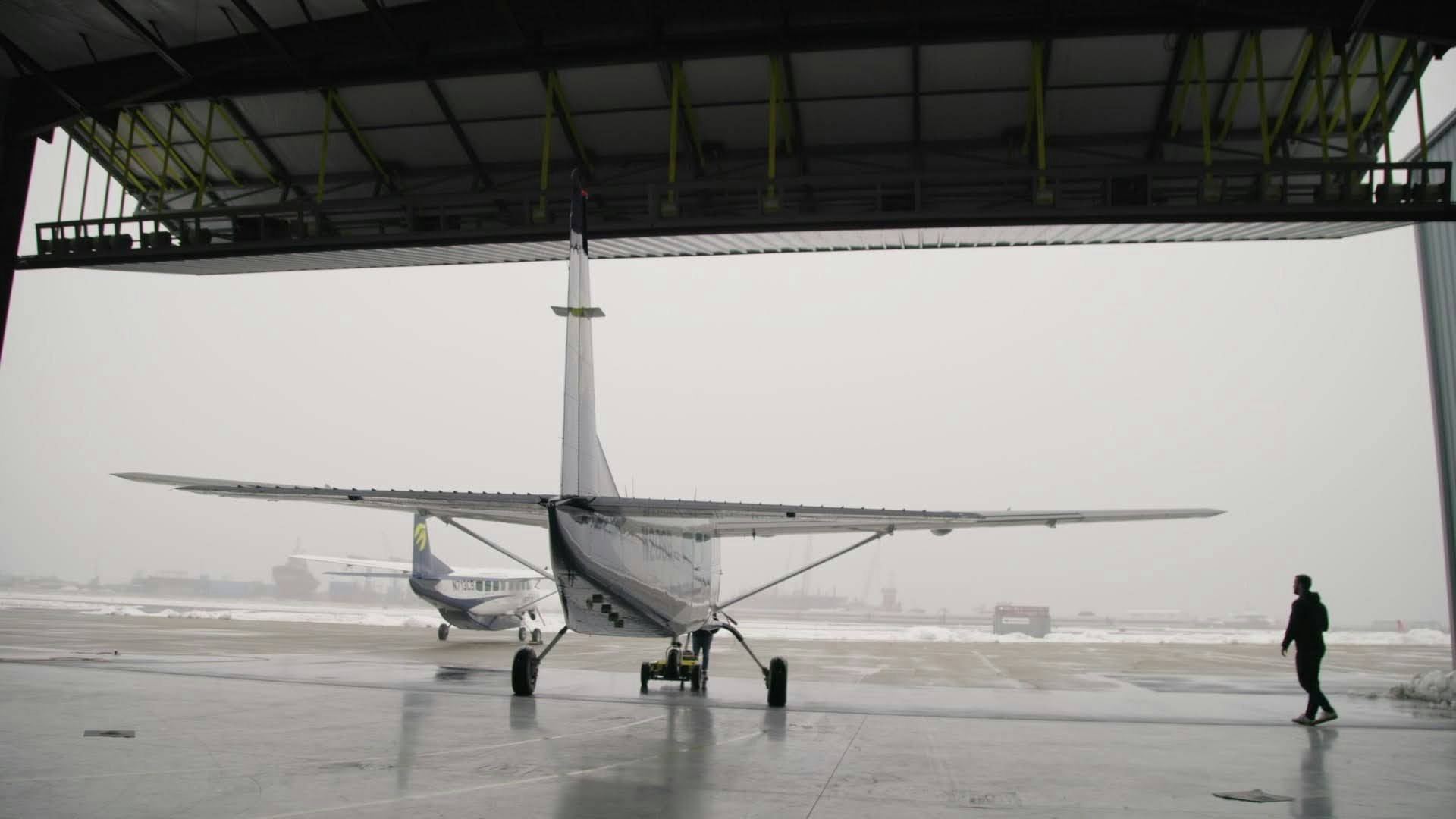
He's a little "annoying" about early testing, a habit that keeps his integration team ahead of risk.
Bob Morse takes us inside what it means to lead the team responsible for integrating the Merlin Pilot across civil and military aircraft. He walks through the certification and safety work behind aircraft integration, what real-world flight testing has taught him about catching risk early, and why he believes the aircraft already flying today, not just the ones built new, are where the next chapter of aviation will be written.



What brought you to Merlin, and what drew you to autonomy in aviation?
Nearly all of my 30 years in aviation have focused on integrating the latest avionics and cutting-edge technology into aircraft. Throughout my career, I’ve had the opportunity to field advanced systems across many facets of aviation. When the opportunity arose to help develop and deploy autonomy, which could fundamentally change the future of aviation, I truly felt called to join the team. The potential to improve aviation safety, reduce pilot workload across both civil and military platforms, and transform the world’s aircraft fleets was something I couldn’t pass up.
Tell us about your role as Vice President of Air Vehicle Integration.
My role is to lead and continue building a world-class team of engineers to safely integrate and certify the Merlin Pilot capabilities on a wide range of civil and military platforms. That means navigating varying levels of certification and compliance regulations for each platform, while helping to keep every system optimized for operational efficiency and held to the highest quality and safety standards.
My department spans integration systems engineering, avionics integration, electrical and mechanical design, virtual test environment and flight dynamics, modeling and simulation, and software teams supporting our advanced autonomy development environments.
Day-to-day, I’m focused on making sure my teams have the talent and resources they need to support Merlin Pilot development, define the requirements and architectures for aircraft integration, and produce high-quality integration design artifacts for modifying aircraft.
In your view, what makes Merlin’s approach to autonomy meaningful in the broader aviation ecosystem?
Merlin Pilot is designed to bring aircraft-agnostic autonomy to existing aircraft through a safety-first, modular approach. At Merlin, we are working to build intelligence that flies. Merlin Pilot goes beyond “stick-and-rudder” aircraft control by combining intelligent planning, which uses real-time data and mission priorities to inform decisions, with deterministic protocols that provide known fallback functionality through transparent means.
My team works closely with our flight-test and operations groups to integrate, evaluate, and demonstrate these capabilities. Feedback from testing informs continued development and refinement across potential applications, from helping manage pilot workload and augmenting flight crews to supporting autonomous operations, subject to the testing and regulatory approval each application requires.
Integration work often means adapting proven aircraft rather than building new ones. What do you find compelling about giving existing platforms new capabilities?
As a lifelong aviation enthusiast, mechanic, engineer, and private pilot, I’ve always had a soft spot for the aircraft flying today. I’ve spent my career bringing new capabilities, and new life, to older aircraft, often modifying them to do things they weren’t originally designed for.
I enjoy seeing drones deliver packages to my neighbor and purpose-built autonomous aircraft take on missions around the world. But aviation has been built on improving the safety of our legacy fleets. The aircraft operating above our homes and businesses have matured through countless upgrades designed to enhance their performance and safety. That history and investment provide a strong foundation for the next chapter of aviation.
Helping these proven aircraft move into this next phase is an opportunity to build on that legacy. It could make advanced technology more accessible to those who have already invested in these platforms while potentially giving current and future pilots additional tools to support safer operations.
How does working on real-world aircraft and flight-test programs influence your perspective on autonomy?
My experience testing across various aircraft and systems has given me a broad awareness of aircraft system performance and the inherent risks associated with airborne systems integration. Throughout my career, designing and conducting tests of military and civil systems, including flight controls, communications, and navigation, I have witnessed how even the smallest error can contribute to test failures or potentially unsafe conditions.
Managing these risks requires more than testing and evaluation alone. It begins with the initial design concept and carries through integration, verification, validation, and final reporting, supported by rigorous performance and traceability standards.
Autonomy is a safety-critical capability and it must be designed, developed, and evaluated in accordance with the standards and requirements applicable to each aircraft and operation. At the same time, this work creates an opportunity to bring advanced technology to an industry in which adoption can take years.
What are you most excited about for your next chapter at Merlin?
I’m excited about the continued advancement of the Merlin Pilot and the opportunities ahead for my team as we support a growing fleet with new aircraft integrations across a broadening swath of the aviation and defense markets. I’m driven by complex challenges, and as Merlin Pilot capabilities expand, so too will the integration work required to support them.
Your roots are in test and systems integration. How does that shape the way you approach putting new technology onto real aircraft?
I am a little more “annoying” when it comes to test consideration and how rigorously we evaluate performance measures during the earliest conceptual design phases. Industry standards and compliance requirements make these considerations traceable, but I tend to push my teams to think more broadly about performance and safety than what may be required at the earliest design stages. In my experience, expanding the range of factors that are assessed early can strengthen overall system safety and performance, while helping to reduce late-stage project impacts and flight-test timelines.
Cautionary Statement Regarding Forward-Looking Statements
The views expressed in this post reflect the personal perspectives of Bob Morse, Merlin's Vice President of Air Vehicle Integration, and contain forward-looking statements within the meaning of the Private Securities Litigation Reform Act of 1995; actual results may differ materially from those anticipated, and readers are cautioned not to place undue reliance on such statements, which speak only as of the date of this post and are subject to the risks and uncertainties described under "Risk Factors" in our filings with the Securities and Exchange Commission, including our Prospectus dated May 13, 2026, filed with the SEC on May 13, 2026, and our subsequently filed Quarterly Reports on Form 10-Q, which are available from the SEC. Except as required by applicable law, we undertake no obligation to update any of these forward-looking statements after the date of this post.