Demonstrating How Autonomy Can Address USAFRICOM’s Casualty Evacuation Gap
UpdateNovember 11, 2026


USAFRICOM’s Challenge Seeks a Mature Solution That Can Accelerate Access to a Higher Level of Care While Reducing Risk Exposure for Personnel
At a glance
Program: USAFRICOM Autonomous CASEVAC Industry Technology Challenge, initial phase
Contract: $500,000
Aircraft: Cessna 208B Grand Caravan with Merlin Pilot
When and where: Planned for early fiscal year 2027 in Morocco
Mission scope: Onboard autonomy supporting CASEVAC missions, managing flight planning, navigation, contingency response and mission execution without relying on a remote ground station or flight crew.
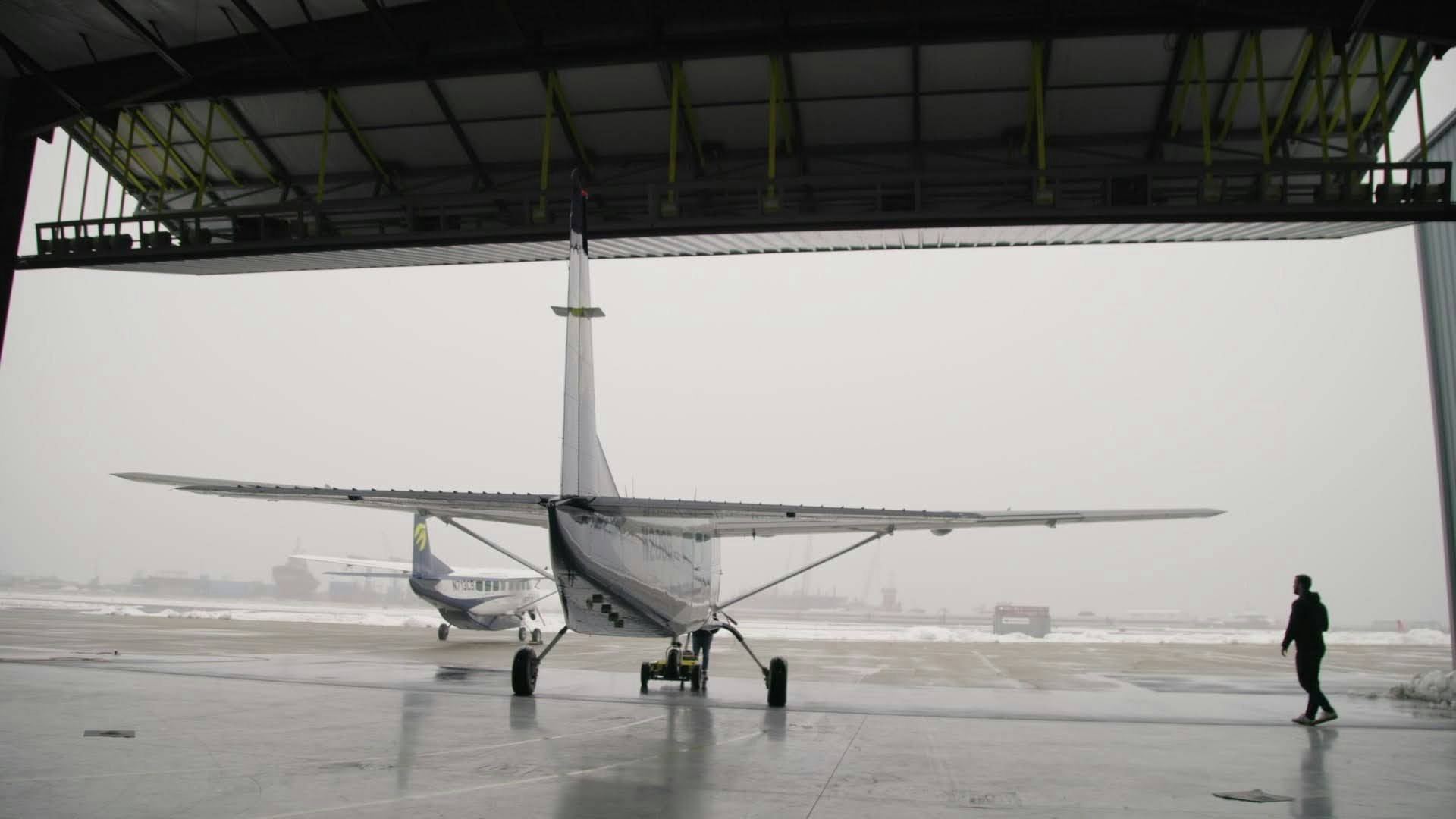
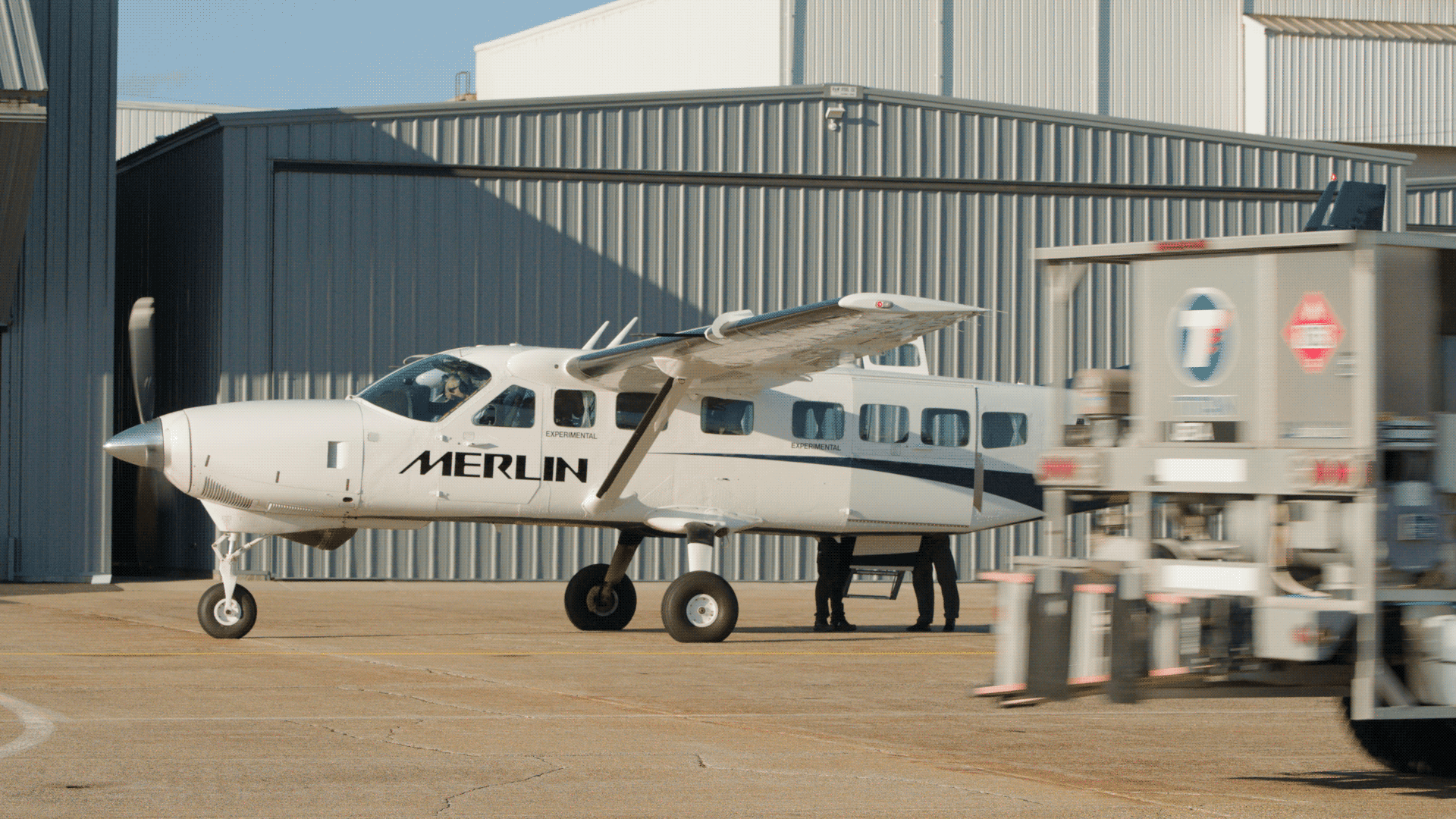
Merlin has been selected by U.S. Africa Command (USAFRICOM) for the initial phase of its Autonomous Casualty Evacuation (CASEVAC) Industry Technology Challenge. The $500,000 contract will fund a demonstration of Merlin Pilot™ autonomously executing a CASEVAC mission on a Cessna 208B Grand Caravan. The demonstration will show how onboard autonomy can support CASEVAC missions, including managing flight planning, navigation, contingency response and mission completion without relying on a remote ground station or flight crew. The demonstration is planned for early fiscal year 2027 in Morocco.
Why Distance and Unreliable Communications Make CASEVAC Hard
USAFRICOM's area of responsibility spans vast distances, and security threats can prevent access to nearby medical facilities, often forcing longer and more dangerous patient transport. In these conditions, transporting a wounded noncombatant or service member to medical care is both time-critical and logistically complex.
Conventional casualty evacuation relies on crewed aircraft, while remotely piloted systems require persistent command-and-control links that may be unavailable in austere or contested environments.
The Demonstration
Merlin’s demonstration will encompass the full mission, from initial tasking and flight planning continuing through autonomous departure and enroute flight to an austere casualty collection site. Following simulated patient loading, the aircraft will conduct its return mission, autonomously completing the flight and landing back at the designated location.
The system is designed to:
Plan the optimal route from an operator’s tasking
Replan dynamically around hazards
Communicate with air traffic control using natural language processing
Continue safely along its authorized plan if a communications link is lost
Why the Caravan Works for Litter Patients
At the casualty collection site, the aircraft’s large cargo door and flat-floor cabin will allow ground-level litter loading without rotor wash, winching, or special equipment. Its cabin will be configured with an air-ambulance medical module that provides oxygen, power, and mounting for patient-monitoring equipment.
"Casualty evacuation is ultimately about getting wounded noncombatants and service members to surgical care as quickly and safely as possible: a mission made more difficult by long distances and unreliable communications. Onboard autonomy could help overcome those constraints by accomplishing the CASEVAC mission from end to end, even when communications are disrupted," said Matt George, CEO and founder, Merlin. "The USAFRICOM challenge will also serve as a proving ground for autonomous aviation more broadly. Long distances, intermittent communications, and austere environments are among the most demanding conditions in which the military operates, and they are not unique to any one theater. A system proven under these conditions could support casualty evacuation, logistics, and personnel movement for other combatant commands, allied forces, and civil operators, as well as disaster response and medical transport missions worldwide."
From Caravan to King Air: A Path to Operational Scale
Merlin Pilot's aircraft-agnostic architecture is designed to allow its autonomous capabilities to be extended across airframes (One Brain, Any Aircraft explains the approach). Merlin believes there is a clear follow-on path to operational scale using a King Air variant. A King Air would provide twin-engine redundancy, greater payload capacity, and additional cabin space for multiple litter patients, medical equipment, and an in-flight attendant. The same architecture could also support autonomous logistics and personnel movement across dispersed operating locations.
Built on Hundreds of Autonomous Flights
This demonstration builds on Merlin’s work on Department of War autonomy programs, including its C-130J program with U.S. Special Operations Command. Merlin Pilot has completed hundreds of autonomous flights across multiple fixed-wing aircraft, including a recent flight demonstration at Alliance Airport as part of the kickoff event for the Texas Department of Transportation's (TxDOT) Electric Vertical Takeoff and Landing (eVTOL) Integration Pilot Program (eIPP). Secretary of Transportation Sean Duffy and Senate Commerce Committee Chairman Ted Cruz watched the flight, along with senior transportation and congressional leaders at the federal and state level. Quick Takes on the Texas eIPP Demonstration has more.
Cautionary Statement Regarding Forward-Looking Statements
This post contains forward-looking statements within the meaning of the Private Securities Litigation Reform Act of 1995. All statements other than statements of historical fact should be considered forward-looking statements, including without limitation statements regarding the timing, location, and scope of the planned USAFRICOM demonstration; the ability of the Merlin Pilot system to execute autonomous CASEVAC missions; Merlin's expectations regarding potential follow-on opportunities, or expansion of its relationship with USAFRICOM or other government customers; the potential extension of Merlin Pilot's autonomous capabilities to additional aircraft platforms; and the potential future applications of Merlin's technology across other combatant commands, allied forces, civil operators, and disaster response or medical transport missions. These forward-looking statements are based on our current expectations, assumptions, and projections about future events and trends. These forward-looking statements are neither promises nor guarantees, but involve known and unknown risks and uncertainties that could cause actual results to differ materially from those expressed or implied by the forward-looking statements, including without limitation the risks and uncertainties detailed under the section entitled “Risk Factors”; of our final prospectus, dated May 13, 2026, filed with the SEC on May 13, 2026, and in our Quarterly Reports on Form 10-Q filed with the SEC. Except as required by applicable law, we undertake no obligation to update any of these forward-looking statements after the date of this post.
Related