Mission Autonomy: What the Mission Demands
UpdateNovember 20, 2026


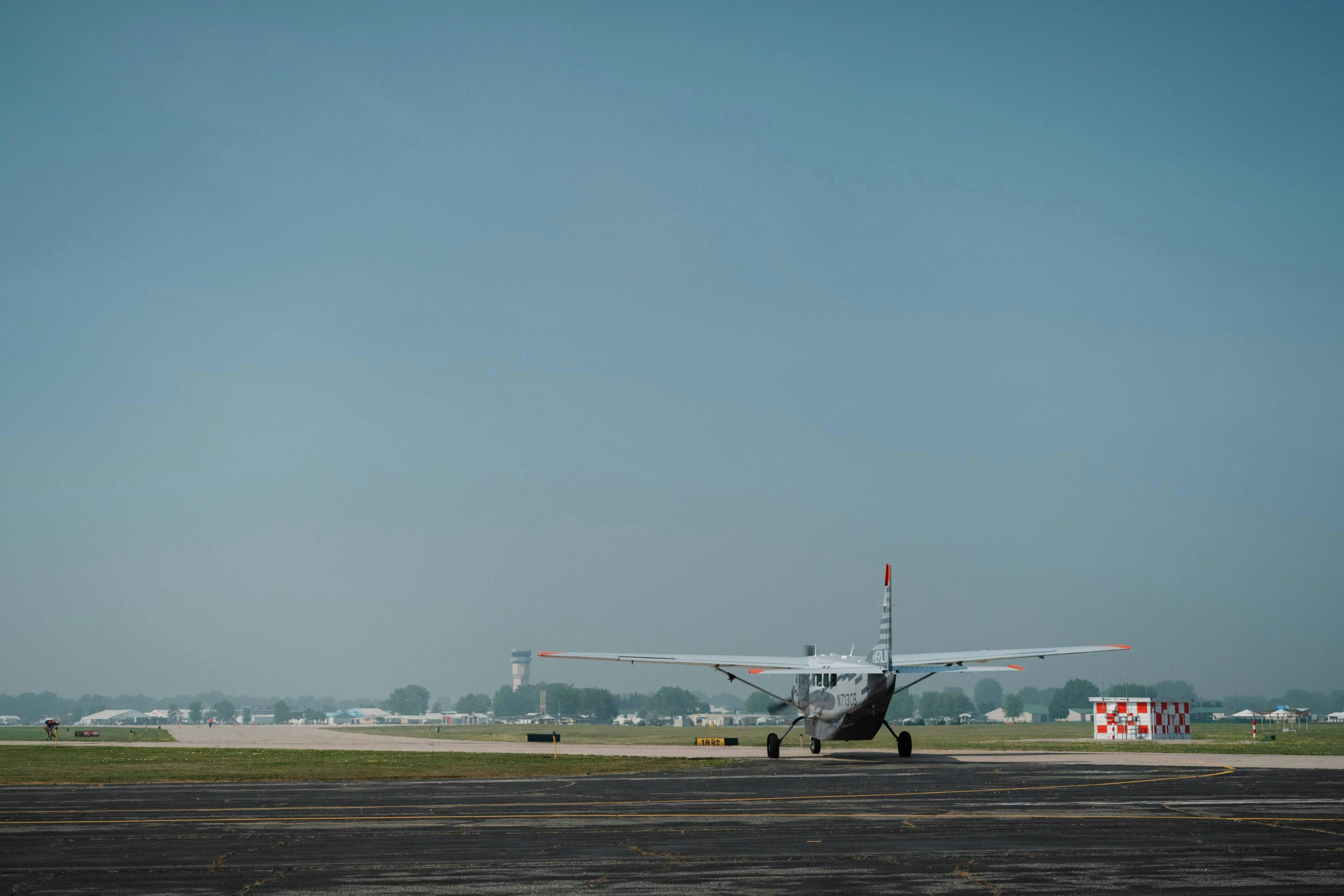
In Many Missions, Technology Creates Value When Its Capabilities Stay Connected Across the Operation
In a recent series, we explored how missions like wildfire response, maritime operations, remote logistics, infrastructure inspection, aerial applications, and patient movement could be reshaped by various forms of technology: sensing, communications, robotics, autonomy, and more.
Each mission faces similar constraints: distance slows how quickly people reach the work, and time changes what options remain. Communications may be intermittent, and conditions rarely hold still long enough for a plan to be executed exactly as written. Although the technologies differ, their value depends on how effectively they work together.
Seeing More, Sooner. Acting Longer
In wildfire response, every stage inherits the time gained or lost before it. Earlier, Wider, Longer explored how new detection and airspace tools help responders see fires sooner and act for longer.
Eyes Over Open Water examined persistence as a system-level challenge, with observation shared among the aircraft, vessels, and shore-based teams rather than limited to one vehicle’s range or battery life.
Long infrastructure corridors present a related problem at a different scale. Finding the Change Along the Route considered how sensing and aerial coverage each contribute to the operating picture, and why collecting information is separate from acting on it.
Together, these missions show that greater awareness involves more than adding another sensor. The information must arrive early enough, cover the right area, and give the people responsible a useful basis for action.
Keeping Movement Connected
When the Road Runs Out looked at environments where familiar supply routes may be distant, damaged, or unavailable. Those tools help organizations understand what has changed and keep essential goods moving.
In The Payload Changes, the Pattern Remains, the route repeats while the conditions do not. Crop treatment, mosquito control, and aerial seeding all cover a defined area, yet wind and terrain shape how the work is performed.
The Distance Between Injury and Care examines how transportation and information come together across MEDEVAC and CASEVAC. Although both follow different models, technology can support the journey from the evacuation to the handoff at the destination.
Missions Require More Than the Aircraft
Aircraft serve as observers, carriers, and platforms for other capabilities. They extend an operation’s reach, and take their purpose from the mission. A camera captures an image to show what’s happening across an area, cargo supports the supply chain, and a MEDEVAC flight arrives where help is needed.
Different missions demand different capabilities from an aircraft. Merlin Pilot™ is being tested across a diverse set of aircraft and mission profiles, demonstrating how one autonomy platform can support fundamentally different operational needs.
Autonomy extends beyond the aircraft. It also depends on how flight can be connected by sensors, communications, and the people responsible for the outcome. The aircraft performs one part of the work. The mission determines how that part becomes useful.
Taken together, these missions show how autonomy can be something larger. Its value lies in what an operation can see, reach, and accomplish because the aircraft remains connected to everything around it.
Cautionary Statement Regarding Forward-Looking Statements
This post contains forward-looking statements within the meaning of the Private Securities Litigation Reform Act of 1995. All statements other than statements of historical fact should be considered forward-looking statements. These forward-looking statements are based on our current expectations and projections about future events and trends. These forward-looking statements are neither promises nor guarantees, but involve known and unknown risks and uncertainties that could cause actual results to differ materially from any future results, performance or achievements expressed or implied by the forward-looking statements, including without limitation the risks, uncertainties, and assumptions as described in our filings with the U.S. Securities and Exchange Commission. Except as required by applicable law, we undertake no obligation to update any of these forward-looking statements for any reason after the date of this post.
Related


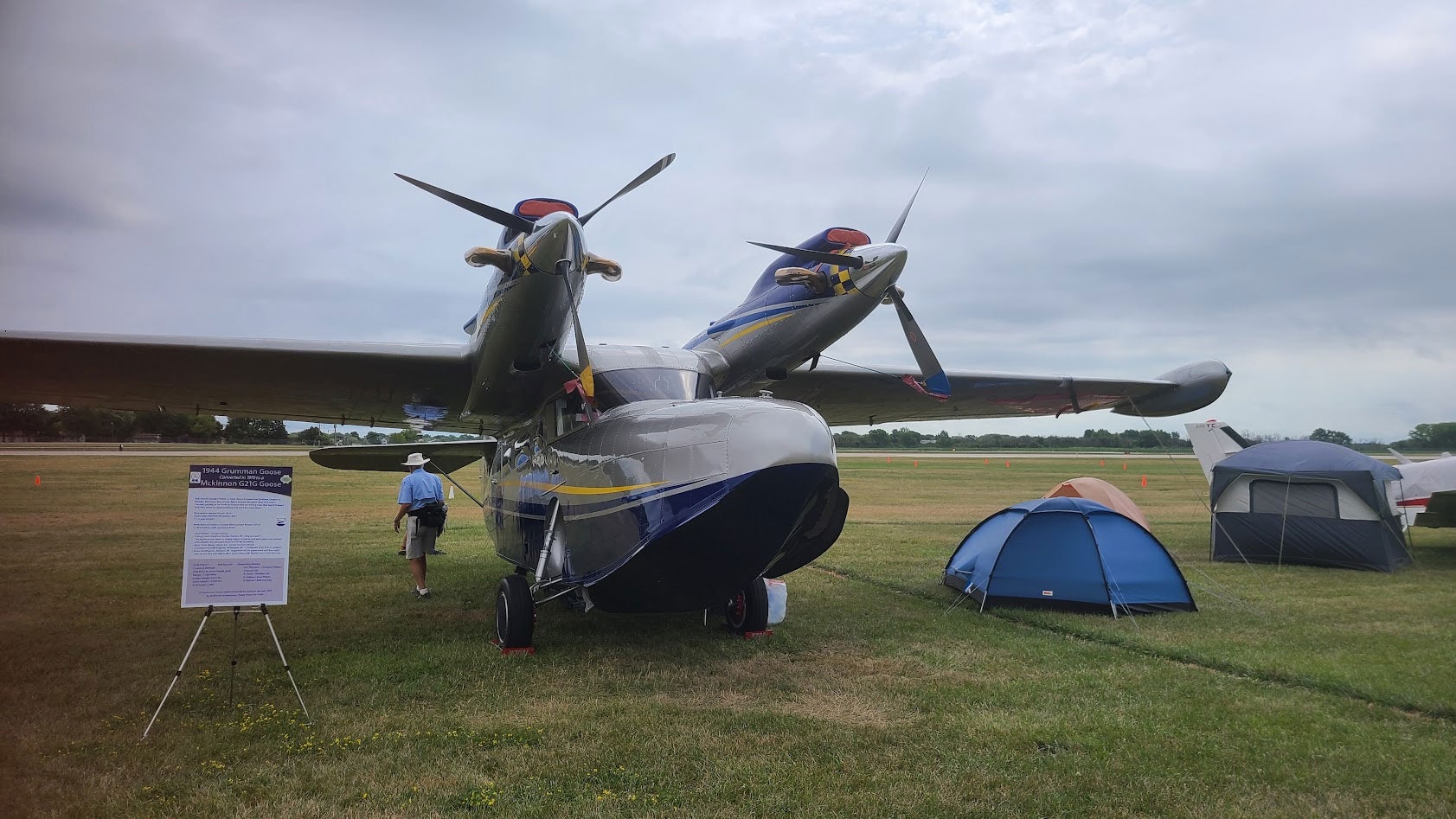
A Family Reunion: What Oshkosh Means to the Merlin Team
Update
Jul 13, 2026


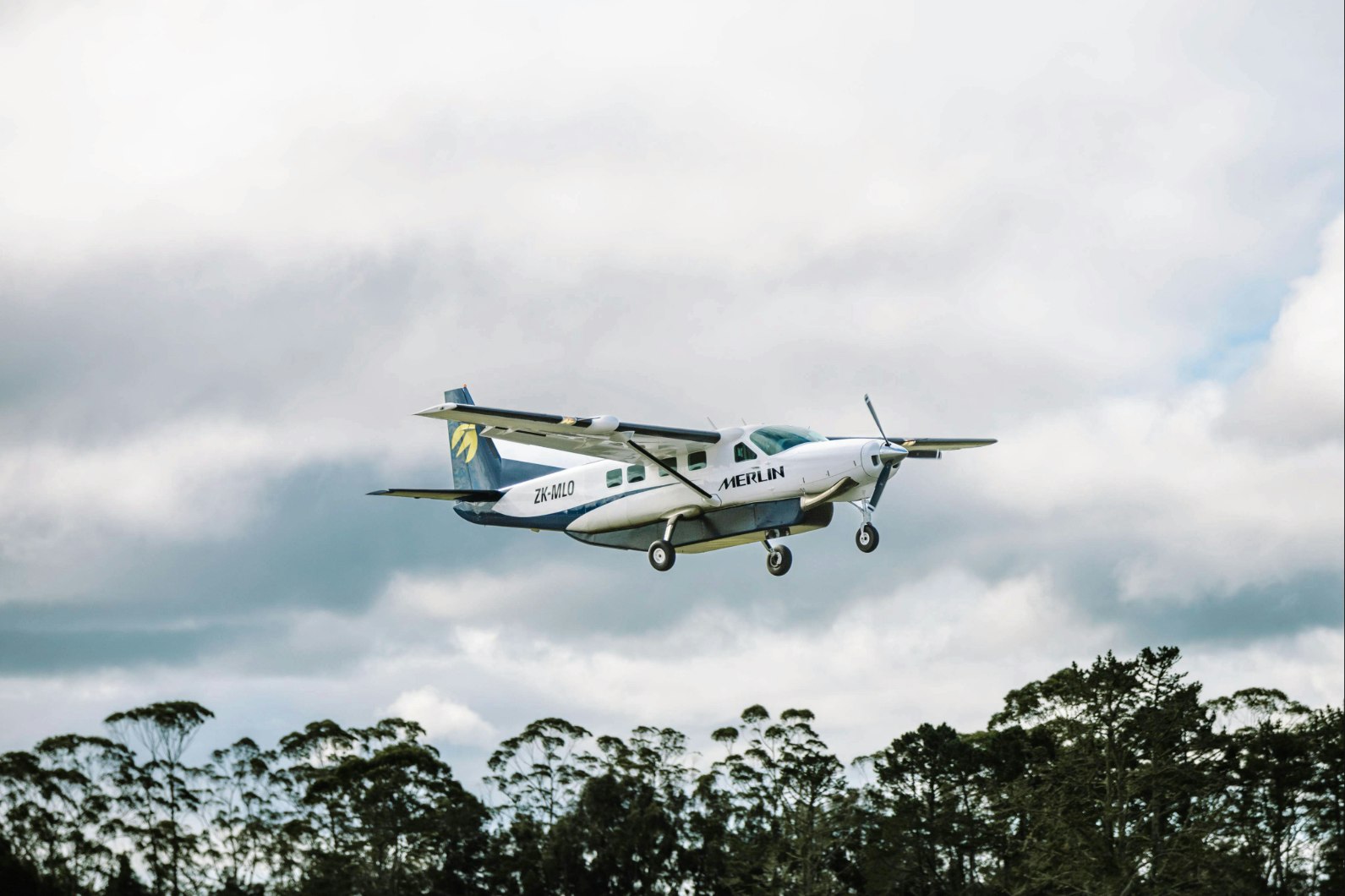
Merlin Designated a New Zealand Part 146 Aircraft Design Organization, Advancing Its Path to Commercial Operations
Press Release
Aug 24, 2026


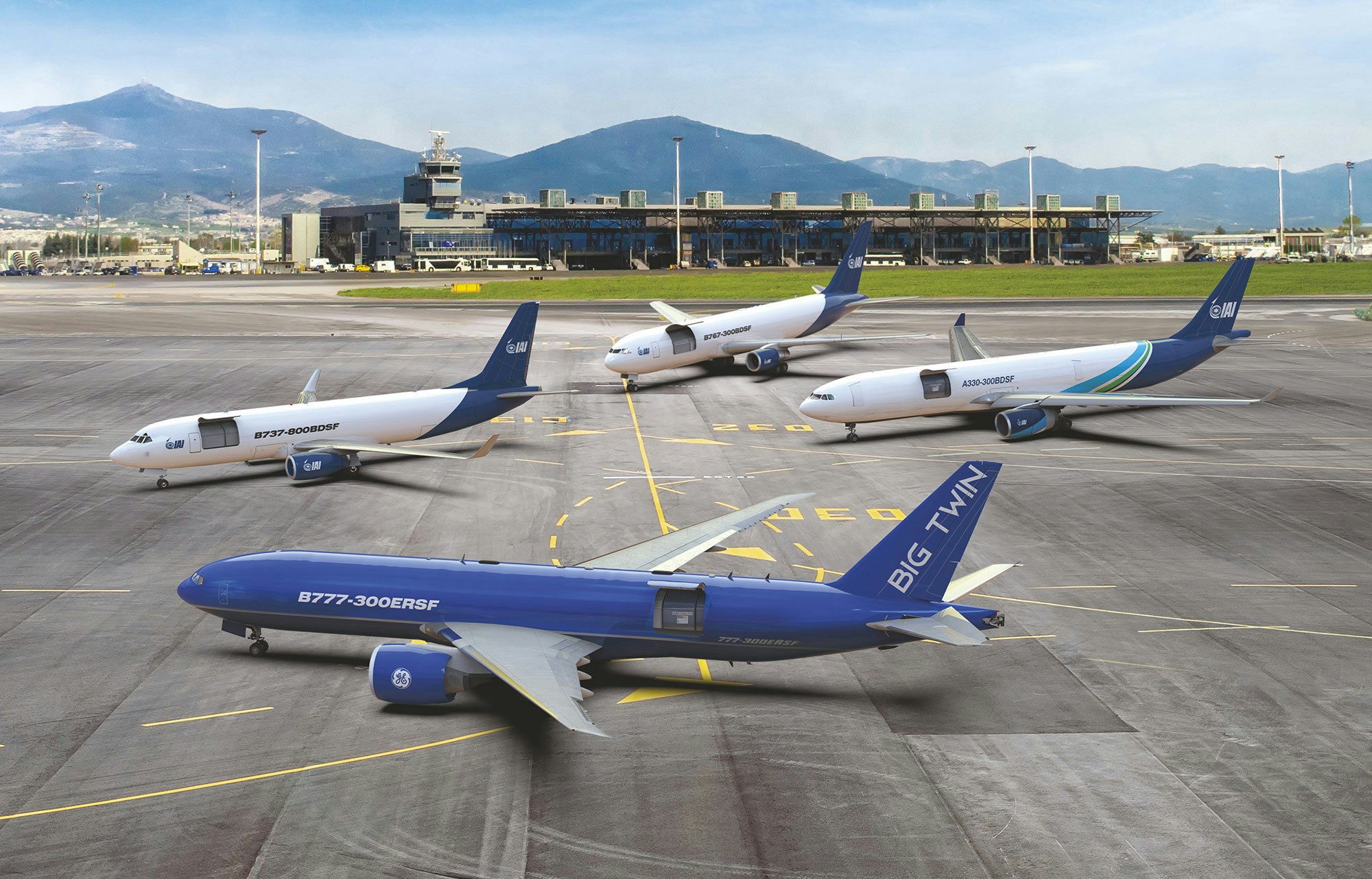
Merlin and IAI Sign Agreement to Advance AI-Powered Autonomy for Commercial Cargo Aircraft
Press Release
Jul 23, 2026